QC6352, a KDM4 inhibitor, acts through DHODH rather than KDM4 in glioblastoma cell models
In glioblastoma stem cell models, the effect of QC6352 and its clinical analog zavondemstat does not depend on KDM4 inhibition. The key target is the enzyme DHODH.
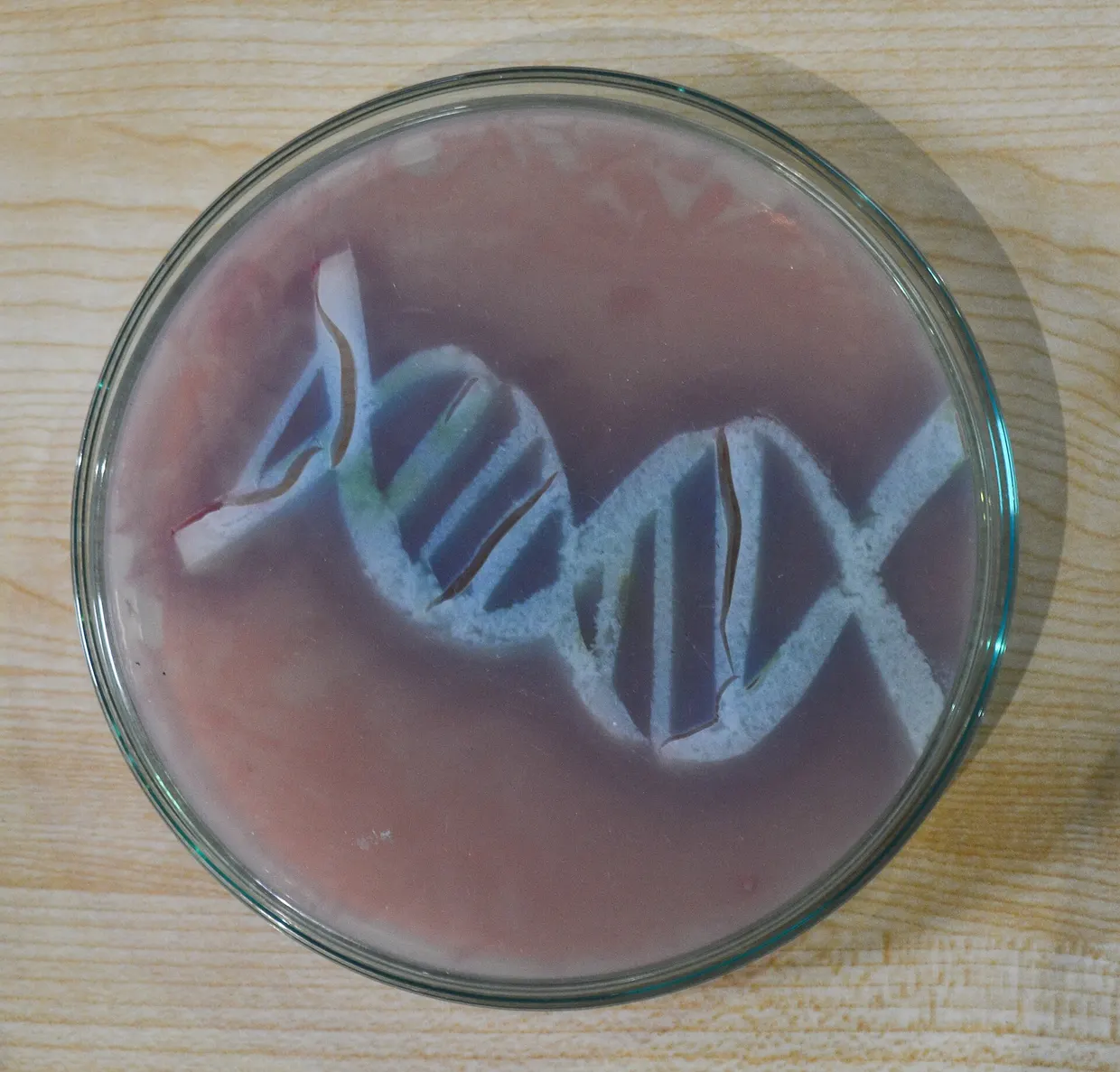
A paper on nature.com reports that the antiproliferative effect of the KDM4 inhibitor QC6352 in glioblastoma models is driven by inhibition of dihydroorotate dehydrogenase (DHODH), not of KDM4 nature.com
nature.comnature.comOpen source ↗. According to the authors, the same applies to zavondemstat, a clinical analog of QC6352. The work used chemical biology approaches and patient-derived glioblastoma stem cell models.
DHODH is a key enzyme in de novo pyrimidine biosynthesis. The authors conclude that QC6352 and zavondemstat are dual KDM4–DHODH inhibitors, and that DHODH inhibition is the dominant driver of their antiglioblastoma efficacy.
Why KDM4 was considered the target
The KDM4 family has six members, KDM4A–KDM4F. KDM4A–KDM4C demethylate H3K9me3, H3K9me2, H3K36me3 and H3K36me2, and also act on histone H1.4 at lysine 26, while KDM4D demethylates only H3K9me3. KDM4 enzymes are frequently overexpressed in cancer, and genetic inhibition of individual members has produced anticancer effects in tumor-specific contexts.
QC6352, developed by Celgene Quanticel, inhibits all KDM4 members with nanomolar potency. It is considered the best-in-class KDM4 inhibitor among those listed on the Chemical Probes Portal nature.com
nature.comnature.comOpen source ↗. Zavondemstat, a structural analog, has reached clinical trials for advanced and/or metastatic cancers.
Glioblastoma remains a fatal brain tumor: median patient survival is 14.6 months despite surgery, radiation and chemotherapy. Glioblastoma stem cells drive tumor initiation, progression and resistance to therapy.
What the experiments showed
In an earlier epigenetic probe screen, QC6352 at 200 nM reduced glioblastoma stem cell viability by more than 50%. The authors tested it in five patient-derived lines (RKI1, MMK1, JK2, FPW1 and HW1) and in the GBM6 line. All six were sensitive, with GR50 values between 3 nM and 133 nM. In 5-day assays QC6352 was cytotoxic to FPW1 cells and cytostatic to the others. In A172-FUCCI cells, nearly 80% were arrested in G0/G1 phase after treatment.
Uridine supplementation and expression of an inhibitor-resistant DHODH mutant fully abrogated growth inhibition nature.com
nature.comnature.comOpen source ↗. ML324, an orthogonal KDM4 inhibitor that does not inhibit DHODH, failed to reproduce the effect of QC6352. The authors note that orthogonal chemical probes are needed to define drug mechanisms in cells accurately.