Burkholderia pseudomallei found in Mississippi soil and water; study refines blood tests
Researchers at UC Davis and Mahidol University tracked antibodies in Thai melioidosis patients; the pathogen, fatal in 10–50% of late-treated cases, is now found in Mississippi soil.
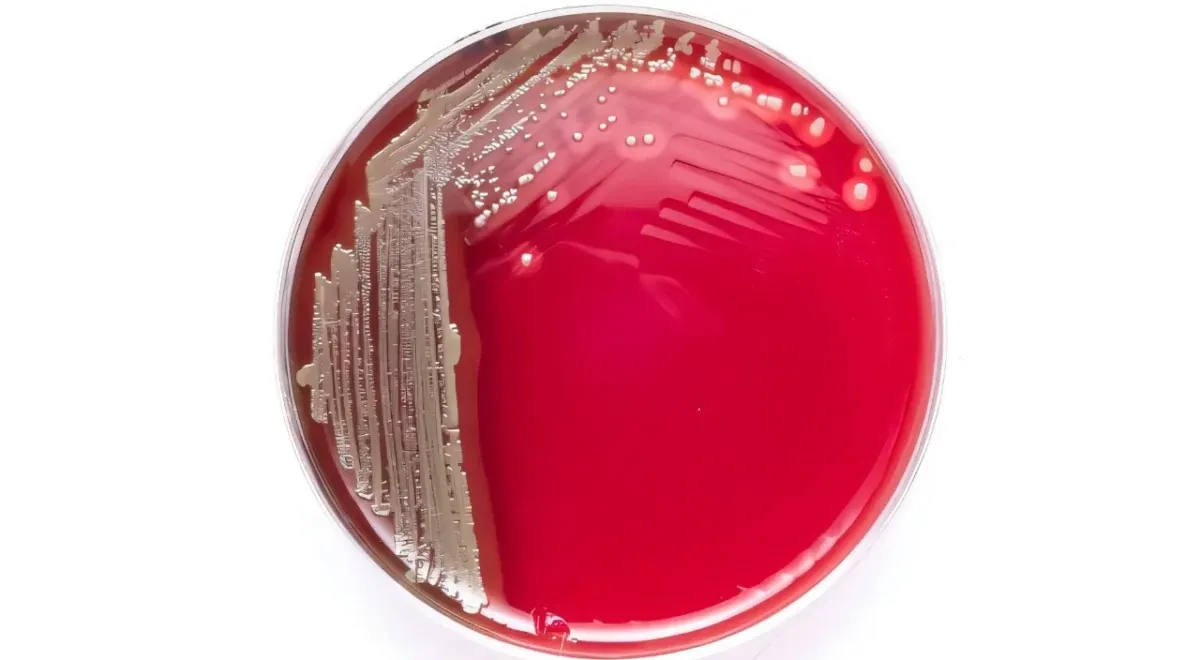
Researchers from the University of California, Davis School of Medicine and Mahidol University in Thailand published a study in The Lancet Microbe in 2026 that refines blood tests for Burkholderia pseudomallei, a soil bacterium long limited to hot, humid regions, according to science-et-vie.com. science-et-vie.com
science-et-vie.comscience-et-vie.comOpen source ↗ The same bacterium has been found in soils and waters of Mississippi.
Melioidosis and its spread
The disease it causes, melioidosis, is nicknamed "the great imitator". Its signs, from fever and abdominal pain to convulsions, resemble pneumonia, tuberculosis or cancer, so diagnosis is often delayed. People contract it through contact with contaminated soil, dust or water. Antibiotics cure it when it is treated in time; when treated too late, it kills in 10 to 50% of cases.
B. pseudomallei dominates soils of northern Australia and Southeast Asia, especially northeastern Thailand. It survives for years in wet soil and keeps multiplying there. Until now, the rare US cases, about a dozen a year, mostly involved travelers returning from the tropics.
In 2022 the US Centers for Disease Control and Prevention linked several human infections to soils and waters in Mississippi. The following year the New England Journal of Medicine described three men from the same Gulf county who were infected near home by one strain, which was also found in soil samples, a case described as unprecedented in the North American environment. science-et-vie.com
science-et-vie.comscience-et-vie.comOpen source ↗ Reports are also increasing in South Asia and Africa. Scientists fear that warming may extend the land where the bacterium thrives, since it needs soil warmer than about ten degrees and does not survive winter in cold regions.
What the antibody study found
The researchers followed Thai patients with confirmed infection and measured how long antibodies against the bacterium remain in the blood. According to the results, these antibodies can stay detectable for several years after infection. The team also compared two possible targets for future tests to identify the one giving the most reliable results.
This persistence complicates the interpretation of screening: a positive result does not necessarily mean a recent infection and may reflect a much older one. The distinction matters for tracking the bacterium's spread into new regions. Kristen Aiemjoy, who co-led the study, said such tests could be most useful in areas where the disease is just beginning to appear, because the population has had little contact with the bacterium, which would make results easier to interpret.