Granzyme K drives age-related organ damage in mice, Monash University study in Immunity finds
In aged mice lacking Granzyme K, the kidney, liver and heart showed less age-related damage, while immune aging persisted. The work was done on mice.
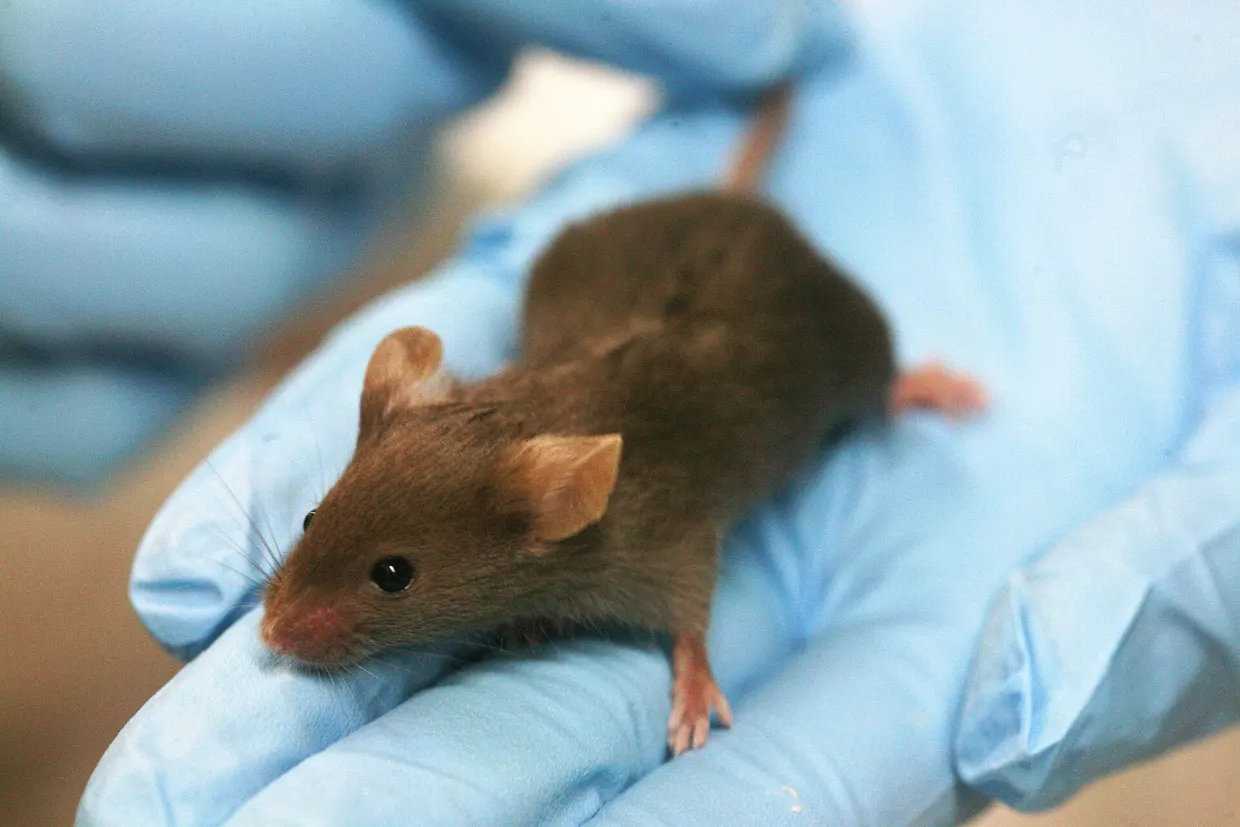
Researchers at Monash University report in Immunity that the protease Granzyme K (GzmK) drives age-related tissue decline in mice. The team compared young and aged mice lacking the GzmK gene with animals that had it. sciencedirect.com
Immunitysciencedirect.comOpen source ↗ The senior researcher is Professor Nicole La Gruta of the Monash Biomedicine Discovery Institute.
Immune aging and organ aging uncoupled
GzmK is a serine protease that is markedly upregulated in aged memory CD8+ T cells. According to the institute, its levels rise significantly with age in both mice and humans. Mice without GzmK still showed the major hallmarks of immune aging, including T cell dysfunction.
Despite these persistent immune phenotypes, GzmK deficiency markedly attenuated organ aging, so the immune and tissue aging were effectively uncoupled. The authors conclude that GzmK is a tissue-specific driver of organismal aging, but not of immune aging or systemic inflammaging.
Kidney, liver and heart
In the kidney, the protection was associated with reduced deposition of complement proteins. The institute's account adds that glomerular enlargement, normally seen with age, was also markedly reduced in the knockout mice. sciencedirect.com
Immunitysciencedirect.comOpen source ↗
In the liver, function improved and fibrosis was reduced independently of complement. This coincided with increased decorin and reduced pro-fibrotic TGF-β signaling. According to the institute's account, the knockout mice also showed improved heart function and reduced cardiac fibrosis.
Limits of the result
The knockout mice lived their entire lives without GzmK. Professor La Gruta said it is therefore not yet known whether blocking the protein later in life would give similar benefits. The researchers are now investigating ways to block GzmK selectively.
In human datasets, the researchers found elevated GzmK in patients with several inflammatory and fibrotic diseases, including lupus nephritis and heart failure. La Gruta said further research is needed to determine the protein's role in age-related organ damage, and whether the same effects can be achieved in humans. sciencedirect.com
Immunitysciencedirect.comOpen source ↗