Sant Joan de Déu hospital cut diabetes admissions by 83% with a remote glucose-data care model
The pediatric hospital's model uses continuous glucose monitoring data to flag patients who need attention. ER visits fell 69%, in-person outpatient visits 60%.
Hospital Sant Joan de Déu, a pediatric hospital in Spain, has reported results for its diabetes care model, introduced progressively since 2019, according to larazon.es. Admissions for decompensation fell by 83%, with two admissions in 2025 and none so far this year larazon.es
larazon.eslarazon.esOpen source ↗. Emergency room visits dropped by 69%. The hospital describes the model as a pioneer in Spanish pediatric care.
How the model works
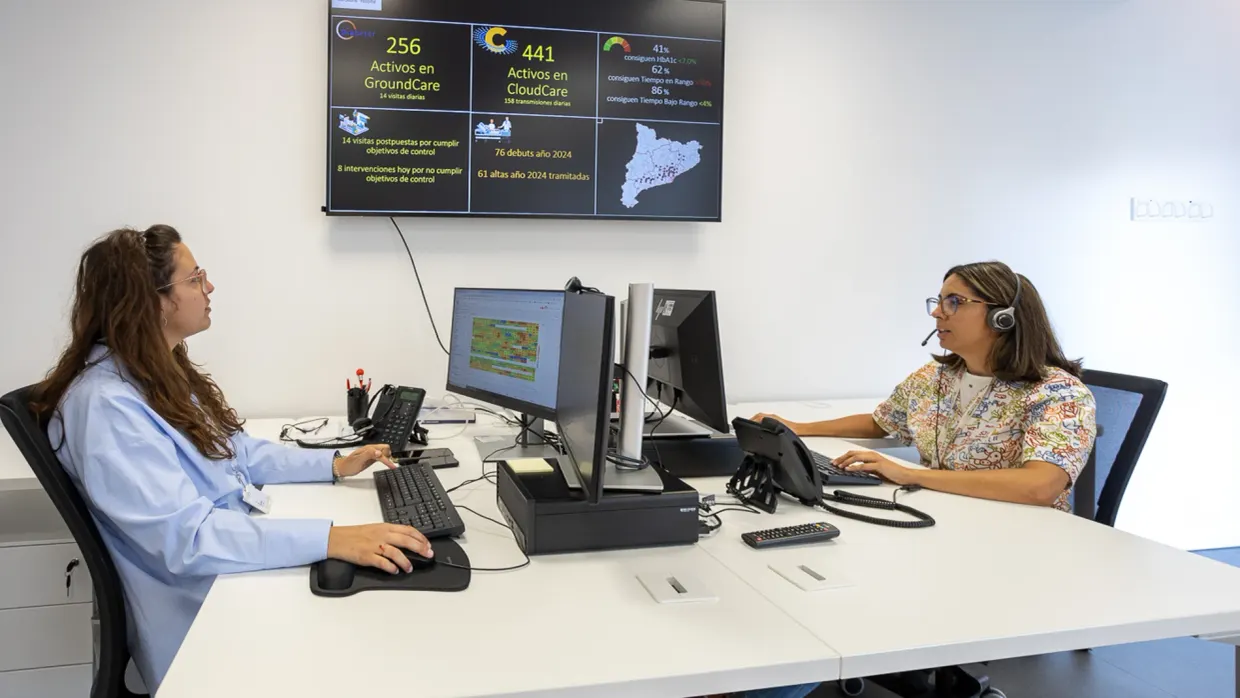
The model builds on existing devices: automated insulin delivery pumps with sensors and continuous glucose monitoring. A platform collects the monitoring data, analyzes it and gives an advanced practice nurse a list of patients who need immediate attention. Roque Cardona, head of the Diabetes Unit, said the aim is to use monitoring data for decisions and to move from reactive to proactive care, acting before decompensation occurs.
The model rests on two platforms and an app. One platform is linked to the patient's clinical record and sends alerts to the medical team; the other is used for screening. The app shows the patient their markers in real time and gives recommendations for adjusting the regimen. According to MiniMed's Alicia Cano, data from the various devices reach the hospital securely for screening and decisions.
Clinical results and patient experience
The share of people with type 1 diabetes who reach recommended pediatric targets has tripled, and 35% of them maintain glucose levels very similar to those of a person without diabetes larazon.es
larazon.eslarazon.esOpen source ↗. In-person outpatient visits fell by 60%, because screening lets staff invite only those who need a visit. The hospital reports that waiting lists have disappeared.
When a visit is needed, multidisciplinary appointments let the patient see the endocrinologist, nutritionist and other specialists in a single trip. Cardona said the approach saves resources that can be used to give more patients an automated insulin delivery system.
The mother of a 14-year-old girl diagnosed at 12 months said the family now visits the hospital once or twice a year, and that the hospital calls them when a parameter is off. She said her daughter's average blood glucose is now similar to that of a child without diabetes.