Tooth chemistry of Rødhals Man shows a Danish forager adding land food as farming reached Sejerø
A tooth of Rødhals Man, who died on Sejerø about 5,800–5,900 years ago, records a shift from shellfish to a diet that included land food as farming arrived.

A team reports in Antiquity, as covered by Discover, that a man known as Rødhals Man lived nearly 6,000 years ago on the Danish island of Sejerø, around the time farmers first reached the islands discovermagazine.com
Discoverdiscovermagazine.comOpen source ↗. Islanders found his skeleton in 1956 in a heap of oyster and cockle shells, which gave him his name. Chemical analysis of one of his teeth shows that by his teens his diet had started to include food from land.
The researchers think he is the most recent person found in Denmark whose DNA shows entirely hunter-gatherer ancestry and a mostly seafood diet. His DNA and diet point to a hunter-fisher, while his radiocarbon dates fall in the early farming age. After the team corrected for the way seafood makes bones look older, they still placed his death most likely between about 5,800 and 5,900 years ago, around when cattle and sheep first appear on the islands.
Tooth chemistry as a diet timeline
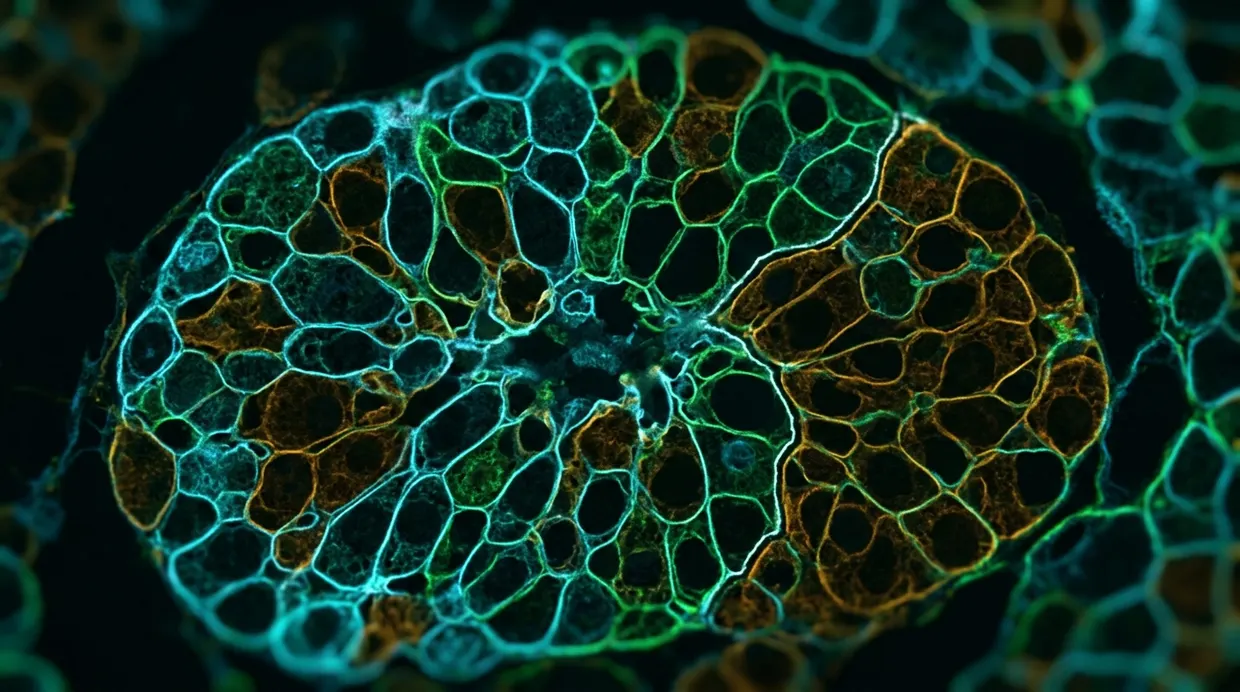
The team sliced one premolar into thin layers, each holding the chemical signature of what he ate as that layer formed, so the diet reads like a timeline. The earliest layers show shellfish, flatfish and eel from shallow water. From about age 11 his meals shifted toward fish from deeper channels, such as cod and haddock.
In his teens and adulthood the share of land food rose. For a long stretch this mix set him apart from every other hunter-gatherer in the team's Danish records, although the sea never stopped feeding him discovermagazine.com
Discoverdiscovermagazine.comOpen source ↗. The chemistry cannot show whether the land food came from farms or from more hunting and gathering. But there is no sign of the freshwater fish that inland foragers usually ate, and the authors argue he was probably eating farmed food or at least spending time near the people who grew it.
Grave and the pace of farming
His grave also combines features. Two large stones were set against his body like a frame, and there was none of the ochre staining common in other local forager graves. Beside his ribs lay a bone knife that a museum worker later threw out. It could have been an archer's wrist guard, a type of object linked to early farmers.
Co-author John Meadows said in a press release: "He did not fully embrace the farmers' lifestyle, or run away from them, but adopted some components of farmer culture while maintaining the way of life of his indigenous ancestors." The authors suggest that Denmark's fish-rich waters fed so many foragers that farming took more than 1,000 years to spread across the country after reaching the lands south of the Baltic. Lead author Anders Fischer noted that this is only one person's story and only one generation.