Recycled demolition aggregate 4/8 mm used in industrial precast floor blocks in Navarre, Spain
Spanish researchers fully replaced the 4/8 mm fraction with mixed recycled aggregate in industrial-scale floor blocks; the fine 0/4 mm fraction failed classification.
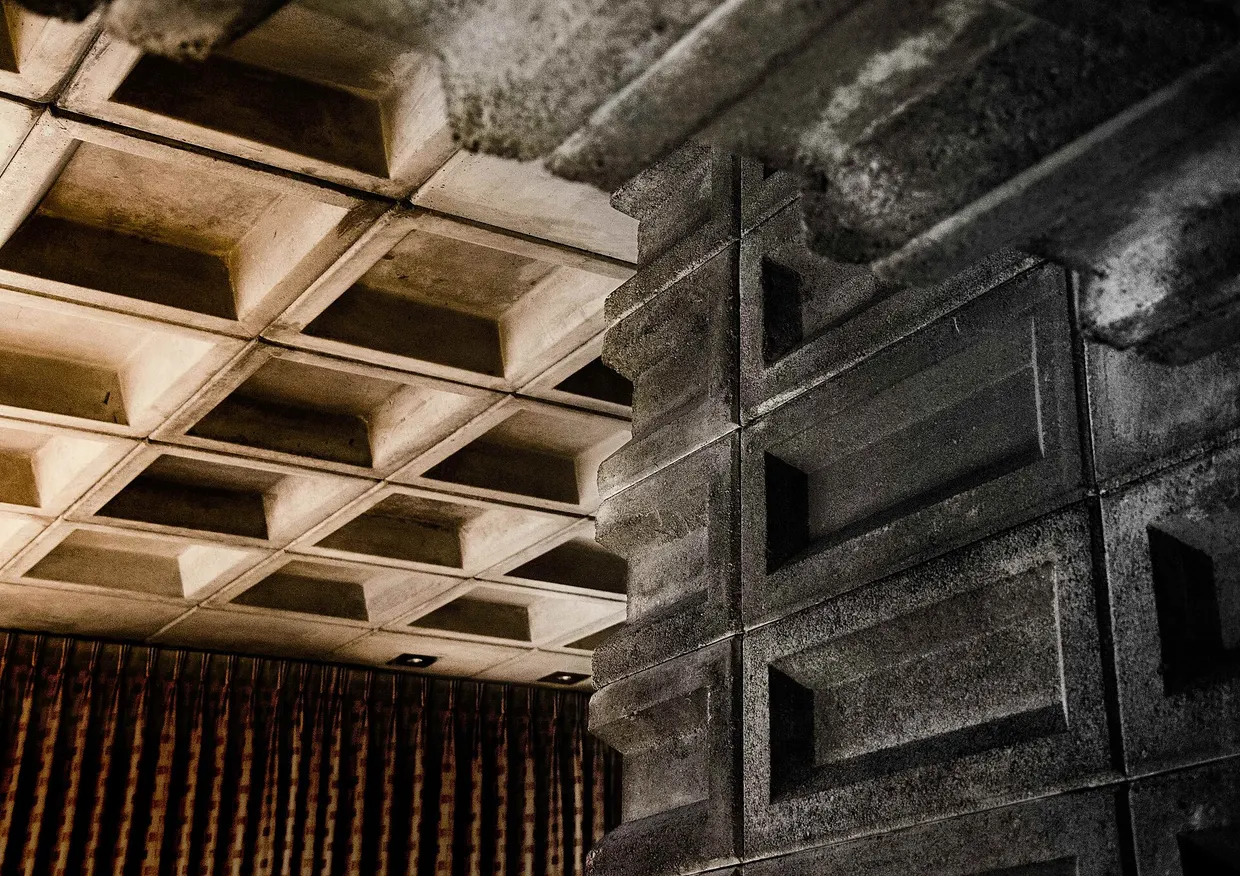
Researchers tested mixed recycled aggregate (MRA) from construction and demolition waste in precast concrete filler blocks for beam-and-block floors. The blocks were made at industrial scale in a precast plant in Navarre, Spain, according to a study in Case Studies in Construction Materials sciencedirect.com
Case Studies in Construction Materialssciencedirect.comOpen source ↗. The aggregate came from a local recycling plant, where it is handled as ceramic waste. Concrete and stone particles are its main constituents (73%–80%), and the ceramic content is 20%–25%.
Test design and standard
The coarse (4/8 mm) and fine (0/4 mm) fractions were fully replaced in separate series. The commercial block of the plant served as the reference. Performance was verified according to UNE-EN 15037-2:2009+A1:2011. Characteristic resistance was estimated as the 5% fractile and checked against the conformity criteria of the standard.
Coarse recycled fraction
With a cement content similar to the reference, all mixes with recycled coarse aggregate were classified as non-resisting or semi-resisting blocks. Their characteristic loads were 17%–37% below the reference. According to the publication's account, the plant's standard dosage was 147 kg/m³, and these mixes reached 1.57–2.07 kN against 2.49 kN for the reference block.
A resisting block was obtained only by increasing the cement content to 231 kg/m³, which, as the authors note, penalizes cost and embodied impacts sciencedirect.com
Case Studies in Construction Materialssciencedirect.comOpen source ↗. That mix reached a characteristic resistance of 3.07 kN.
Fine recycled fraction
No mix with recycled fine aggregate could be classified. UNE-EN 13369:2024 does not allow such aggregate when it is externally sourced. Characteristic resistances in this series were 0.68–1.27 kN, below the 1.5 kN threshold for a non-resisting block. According to the publication's account, the fines required an extra 4.4 liters of water per 100 kg of aggregate to reach demolding consistency, and the water-to-cement ratio rose from 0.51 to 0.80.
In the mix with the lowest fine content, all specimens exceeded 1.5 kN, so the conformity criteria alone would allow a non-resisting classification. However, a coefficient of variation of 21% reduced the 5% fractile to 0.98 kN.
The authors identify the coarse fraction as the viable route for this waste. They also state that the conformity criteria for the start of production may not capture the dispersion of recycled fine aggregates sciencedirect.com
Case Studies in Construction Materialssciencedirect.comOpen source ↗.