Neodymium isotopes show North Atlantic Deep Water expanded as Northern Hemisphere glaciation intensified
Neodymium isotope records from the equatorial Atlantic indicate that North Atlantic Deep Water extent changed over the intensification of glaciation about 2.73 million years ago, the authors report.
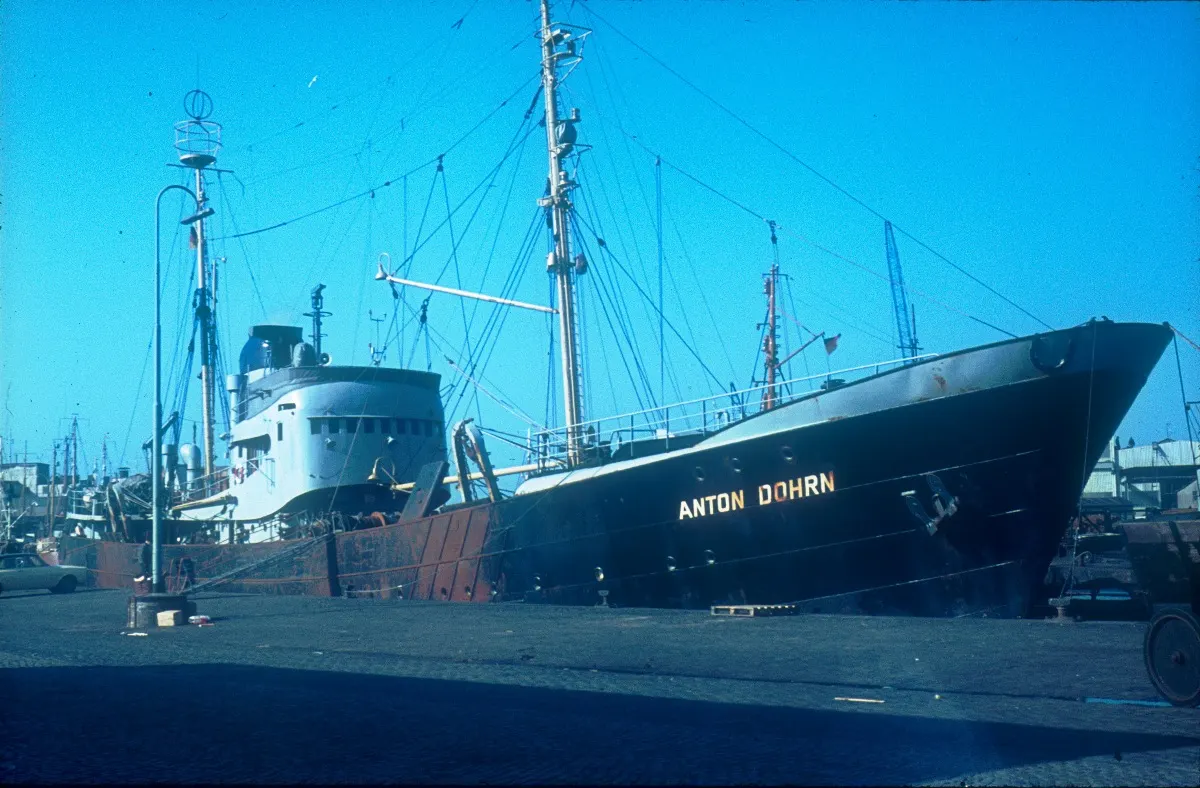
A team from Queen Mary University of London, University College London, Cardiff University and Rutgers University reported neodymium isotope (εNd) records from a depth transect in the equatorial Atlantic in Nature Communications. The records cover the intensification of Northern Hemisphere Glaciation (iNHG), about 2.73 million years ago. According to the authors, they indicate an expansion of the extent of North Atlantic Deep Water (NADW) over this interval nature.com
Nature Communicationsnature.comOpen source ↗.
NADW is the northern deep limb of the Atlantic Meridional Overturning Circulation (AMOC), which moves heat from the Southern Hemisphere to the Northern Hemisphere. Earlier foraminiferal carbon isotope records and modelling studies did not agree on the spatial extent of NADW over the iNHG. The new records are high-resolution and come from several depths in one ocean basin. The samples were provided by the International Ocean Discovery Program, R. Tiedemann and T. Bickert.
Gradient in neodymium isotopes
The authors found a persistent latitudinal and depth gradient in εNd values in the deep Atlantic during the Late Pliocene. This gradient is absent in the Early Pleistocene. They interpret the difference as an expansion of NADW extent over the iNHG.
Little glacial-interglacial change
The reconstruction shows very little glacial-interglacial variability in NADW extent in both the Late Pliocene and the Early Pleistocene nature.com
Nature Communicationsnature.comOpen source ↗. Changes between glacial and interglacial stages within each period were therefore small in these records, while the difference between the two periods is clear.
The authors conclude that deep-water circulation was substantially different during a warm climate state. They point to implications for the role of NADW formation during major climate transitions and for its future stability.