King's College London: in 10 of 12 fruits and vegetables, discarded parts contain more fiber
Researchers at King's College London measured dietary fiber in twelve fruits and vegetables; the parts usually thrown away made up 25–48% of weight in the products studied.
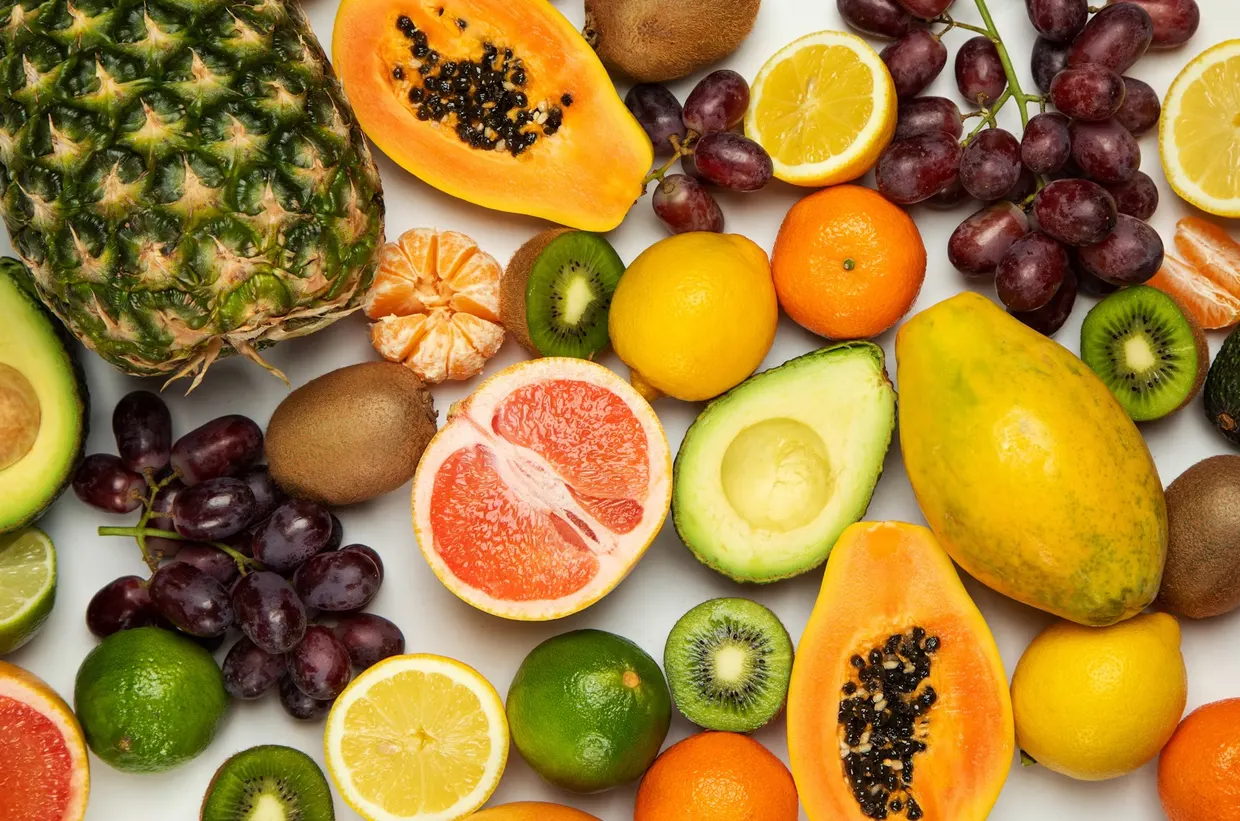
Researchers at King's College London measured dietary fiber in twelve types of fruit and vegetables. According to P-Magazine, in ten of them the parts that usually end up in the bin contain more fiber than the edible part people normally eat p-magazine.com
P-Magazinep-magazine.comOpen source ↗. In the products studied, the discarded parts make up roughly 25 to 48 percent of total weight.
Fiber in peels, cores and seeds
For pineapple, the researchers report that the hard skin and core together contain about five times as much fiber as the flesh. The skin is tough and not suitable to eat raw, but after thorough washing some parts can be cooked and strained.
The skin and seeds of bottle gourd contained 9.25 grams of fiber per 100 grams, almost a third of the 30 grams recommended daily for adults. The white part of watermelon rind contains about 2.1 grams per 100 grams, comparable to a slice of wholegrain bread.
Broccoli was an exception. The stalk contains about 28 percent less fiber than the florets, so the part people usually eat is the richer one p-magazine.com
P-Magazinep-magazine.comOpen source ↗. The stalk still contains nutrients and can be cooked in soup or stir-fries. The kiwi peel is edible and contains additional fiber; gold kiwis have a thinner, smoother skin. Carrot tops and young beet leaves can also be used if they are fresh and washed.
What the study does not show
The researchers measured fiber content only. They did not show that people who eat more peels catch fewer colds, recover faster from influenza or are better protected against winter viruses. Fiber is associated with normal bowel function, and diets with enough fiber are linked to a lower risk of cardiovascular disease and type 2 diabetes.
The team proposes what it calls root-to-tip eating: using as many usable parts of a plant as possible, which would also reduce food waste. The researchers stress that not every peel, seed or leaf is suitable for consumption. Produce should be washed thoroughly, damaged or moldy parts removed, and possible pesticide residues taken into account. Some parts are too hard to eat raw, and preparation method also matters.