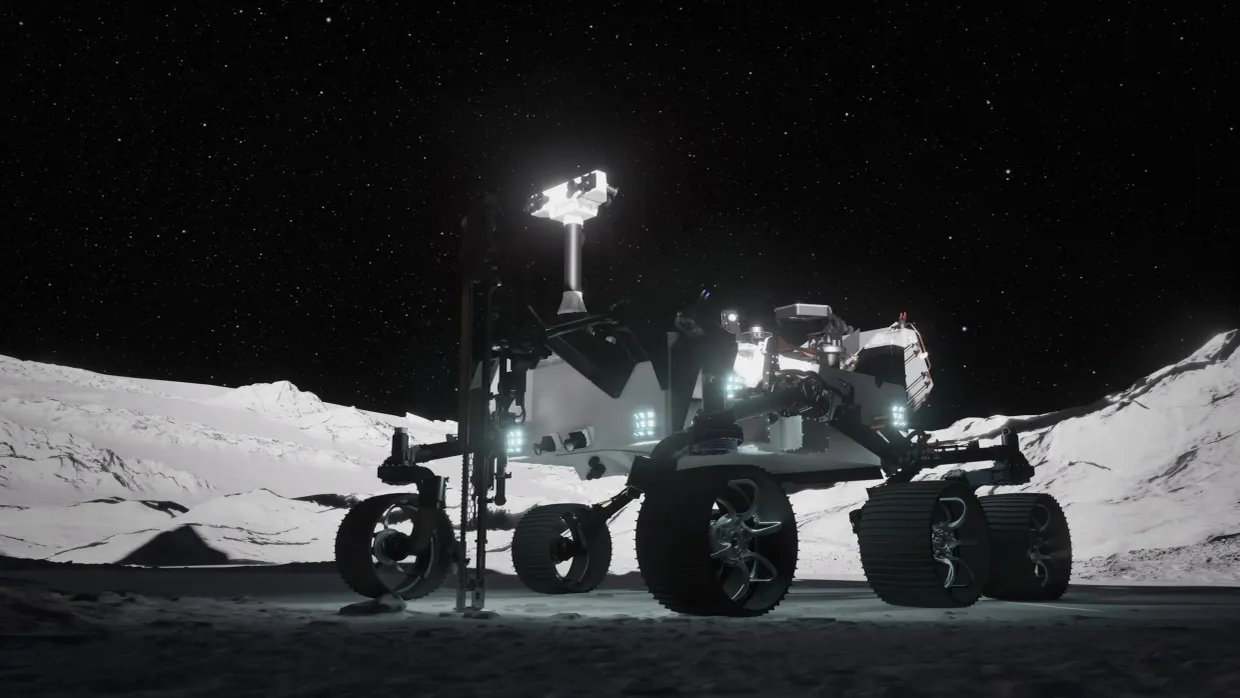
Former SpaceX engineers establish Argo Space for water-powered spacecraft
Three former SpaceX engineers founded Argo Space to develop spacecraft using water as a propellant, aiming for lunar missions.
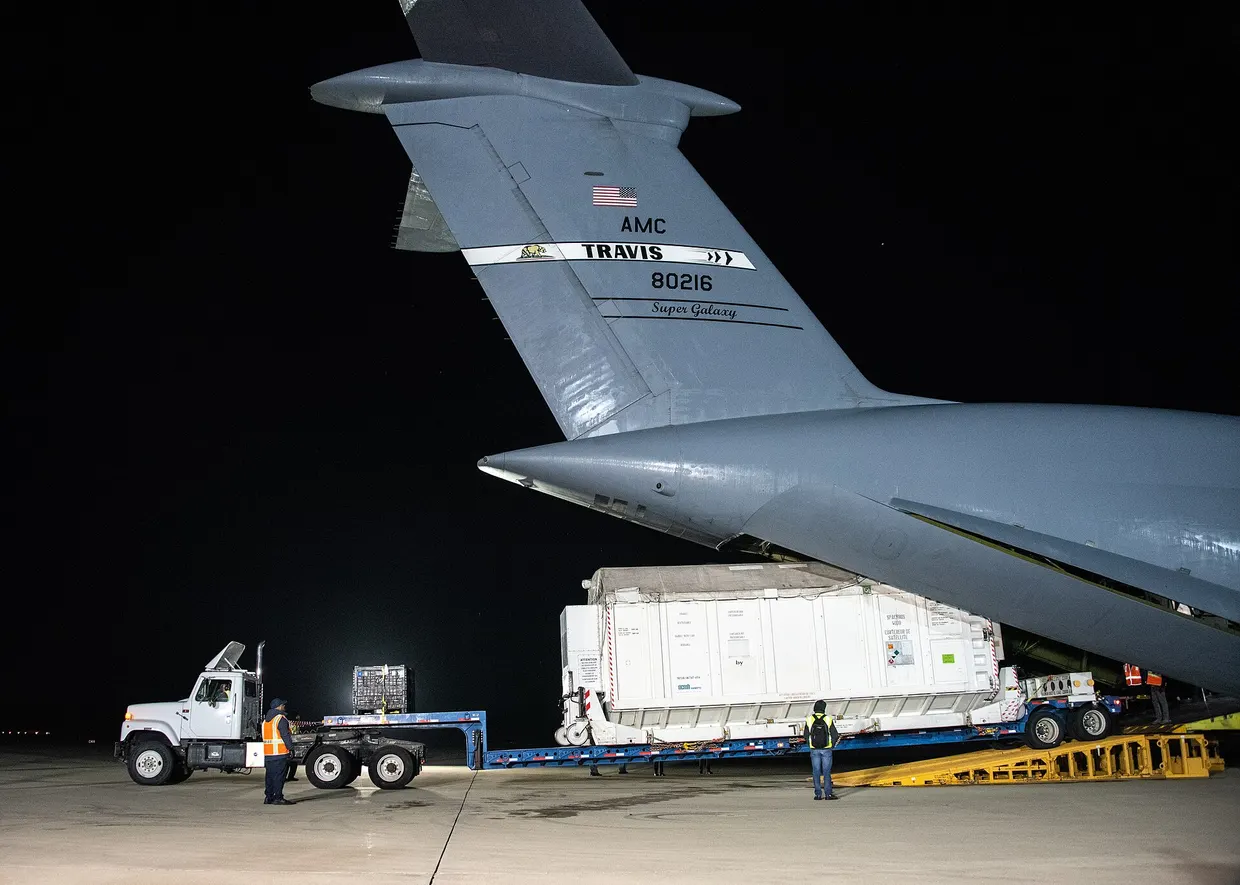
Robert, Ryan, and Kirby Carlisle, former engineers at SpaceX, founded Argo Space in late 2022 to create infrastructure in space. Their focus is on spacecraft rather than rockets, utilizing water as a propellant, which can be harvested on the Moon and is abundant throughout the Solar System. This approach aims to establish a transportation network between low-Earth orbit, geostationary orbit, and the Moon, offering affordable logistics options such as satellite resupply and refueling.
Argo Space conducted its first demonstration mission, Navigator, in July on a Falcon 9 rideshare. The mission established contact with the spacecraft, but one of its solar arrays failed to deploy, leading to a power-negative situation that prevented propulsion system testing. Despite this, the flight software and core avionics were validated, setting the stage for future missions.
The next two missions will utilize the next-generation spacecraft, Chiron, designed to deliver high performance in a compact 200-kg package. Scheduled for 2027, both missions will serve an undisclosed national security customer, with the first targeting low-Earth orbit and the second a geostationary transfer orbit. These missions aim to demonstrate Chiron’s propulsion system and its maneuverability in different orbital environments.
Notably, neither of Argo’s upcoming missions will utilize SpaceX vehicles, as the company is reducing the availability of the Falcon 9. Instead, the first Chiron mission will launch on a new commercial rocket, while the second will use a government-furnished launch vehicle. Argo aims to achieve over 2 km/s of delta-v with Chiron, allowing significant orbital adjustments.
Chiron’s propulsion system employs a small rocket that uses hydrogen and oxygen derived from water, which is split using solar power in space. This method avoids the complexities of cryogenic storage while allowing for efficient propulsion. Following Chiron, Argo Space plans to develop Argonaut, capable of carrying 1,400 kg with a delta-v of 17 km/s per tank. This vehicle is expected to facilitate lunar missions, including a contract with ispace to deliver a communication relay satellite to lunar orbit later this decade.
Despite having raised $20 million and a small team of fewer than 30 people, Argo Space benefits from the lower capital intensity of spacecraft development compared to rockets. The company can conduct most of its testing at its facilities in El Segundo, California.