Microscopic structures resembling red blood cells found in dinosaur bone from Brazil
Scientists discovered potential fossilized red blood cells in the bone of Aratasaurus museunacionali, shedding light on ancient biology.
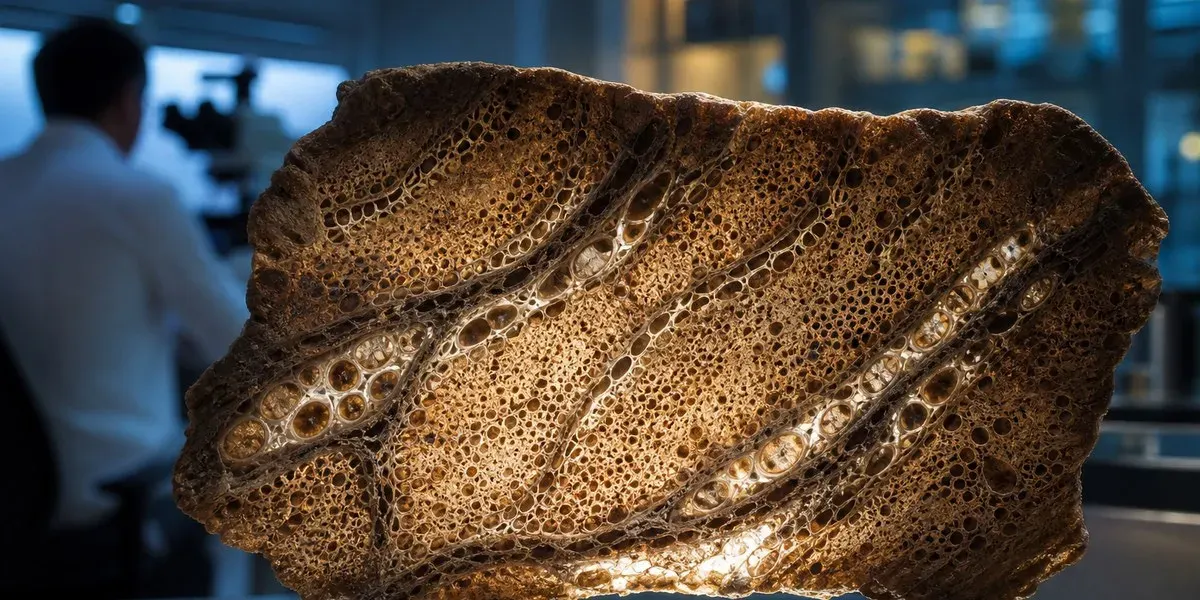
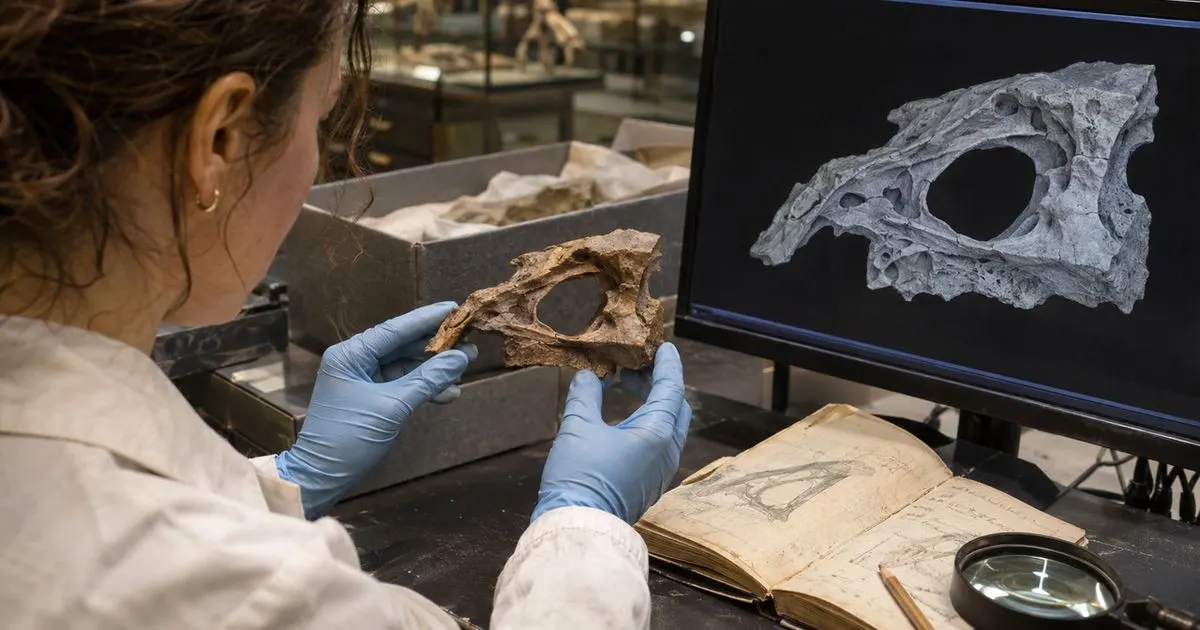
Scientists have discovered numerous microscopic structures in the bone of the predatory dinosaur Aratasaurus museunacionali from Brazil that may be fossilized red blood cells. The researchers also recorded chemical signatures associated with heme, an iron-containing molecule linked to hemoglobin. This evidence was found in vascular canals of the bones in the dinosaur’s right leg. It lived about 115 million years ago during the Cretaceous period. The remains of Aratasaurus museunacionali were discovered in a gypsum mine in the state of Ceará in northeastern Brazil. The fossil material includes parts of the right femur, tibia and foot.
According to the researchers, the individual found was young and died at about four years of age. The bipedal dinosaur was about 3.1 meters long. Study leader Kliti Grice, an organic and isotope geochemist at Curtin University, stressed that this is not a preserved blood sample, but a mineral and molecular trace of ancient biology. The combination of red-blood-cell-like structures with chemical evidence of their biological origin after such a long geological period is particularly important.
The authors also found amino acids associated with collagen in the bone. At the same time, Grice cautioned that this does not mean the discovery of an intact ancient protein or genetic information. The study does not document dinosaur DNA: the preservation of cell-like structures and chemical heme signals does not indicate the survival of the DNA that was originally in these cells. The scientists believe that the combination of numerous red-blood-cell-like structures, their mineralization, their location in the bone’s vascular system and chemical heme signals has not previously been demonstrated in dinosaur fossils in this way. The results were published in the journal Proceedings of the National Academy of Sciences.