Scientists uncover cannabis from 2,800-year-old Siberian tomb
Researchers found evidence of cannabis use in ancient human hair from a monumental tomb in Siberia, indicating its psychoactive use 2,800 years ago.
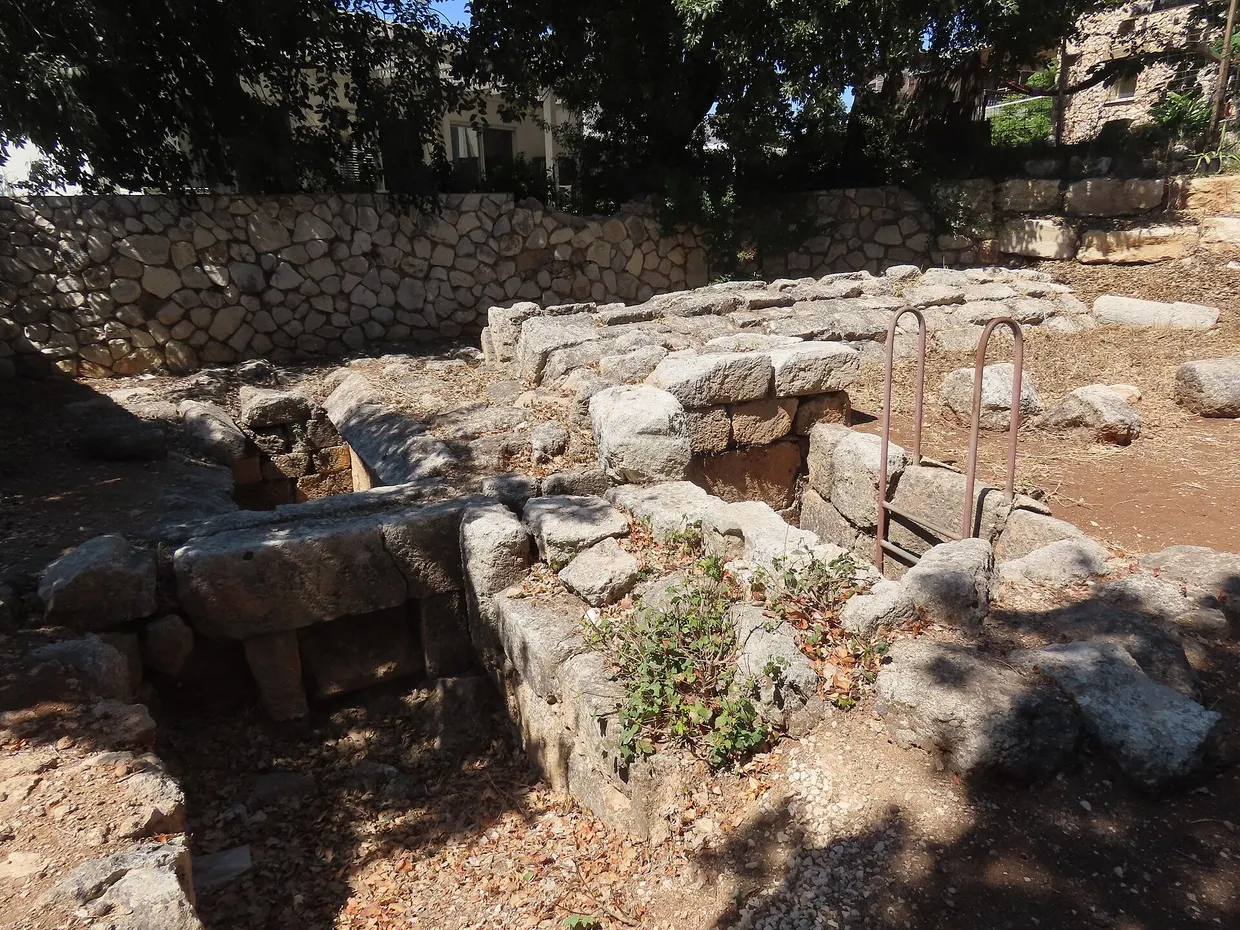
Researchers have discovered the earliest direct evidence of cannabis use, with offerings of plant parts and chemical compounds found in ancient human hair from a monumental tomb in Siberia. This study, published in Science, suggests that cannabis was utilized for its psychoactive properties across Eurasia, dating back at least 2,800 years.
Archaeological Findings
The research team recovered approximately 1,000 cannabis seeds from the burial chamber, believed to have been deposited in the early eighth century B.C.E. The evidence indicates that cannabis played a role in Scythian funerary rituals, with the seeds suggesting that some members of the ancient Siberian elite consumed the plant for its intoxicating effects. Chemical traces consistent with cannabis’ psychoactive compounds were identified in preserved human hair from the tomb.
Implications of the Study
The findings provide what researchers describe as the oldest directly dated archaeological evidence of cannabis use for its intoxicating properties. The study highlights that some wild cannabis populations across Eurasia may have naturally contained elevated levels of psychoactive compounds. Researchers are continuing to investigate the plant remains through genetic analysis, aiming to learn more about the history of the cultivation and spread of cannabis.