Vilnius University: blood NAD stable with age in healthy adults, lower in cardiovascular disease, 1,068 people
A study of 1,068 adults in Nature Metabolism found no age-related decline of whole-blood NAD in healthy people. Levels were lower in cardiovascular disease, especially hypertension.
Whole-blood levels of NAD (nicotinamide adenine dinucleotide) do not decline with age in healthy adults but are lower in people with cardiovascular disease, particularly hypertension. This is the main finding of a study of 1,068 adults by researchers at Vilnius University, Lithuania, published in Nature Metabolism, according to eurekalert.org. eurekalert.org
eurekalert.orgeurekalert.orgOpen source ↗
The result challenges the assumption that falling NAD in the blood is a universal feature of human ageing. The authors suggest that whole-blood NAD may be more closely associated with cardiovascular health than with chronological age.
Study design and age data
NAD is involved in cellular metabolism and energy production. Earlier animal studies reported age-related NAD declines in skeletal muscle, brain and skin. These data contributed to interest in NAD-boosting supplements such as nicotinamide mononucleotide (NMN) and nicotinamide riboside (NR). Whether NAD falls in human blood with age remained controversial, as earlier studies gave inconsistent results.
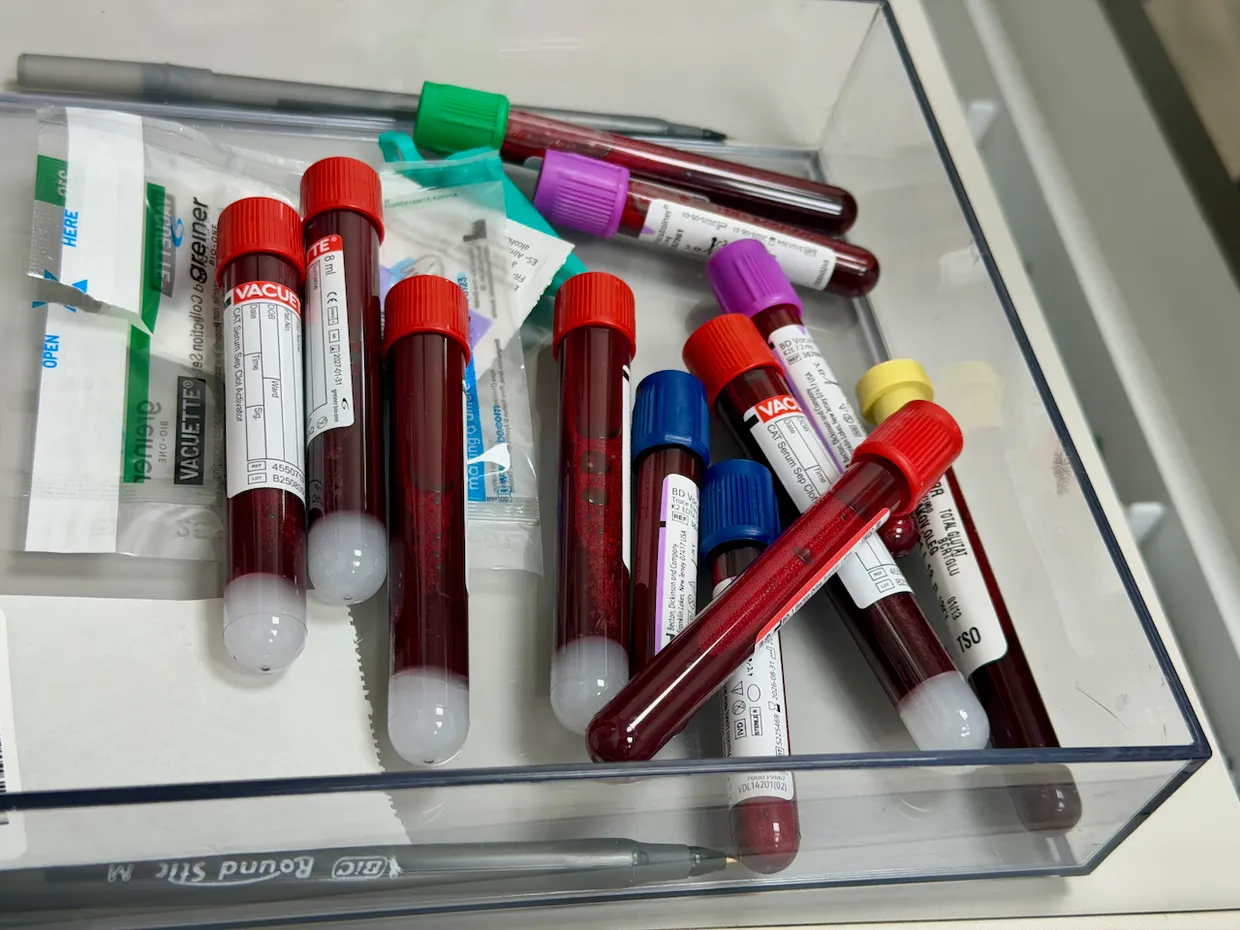
The team analysed whole-blood NAD in healthy individuals and people with chronic diseases. They made 1,340 measurements as part of a broader research programme, using dried blood spot samples collected under standardised conditions. eurekalert.org
eurekalert.orgeurekalert.orgOpen source ↗
Among healthy adults, NAD did not decline with age. It remained stable in men and showed a modest but statistically significant increase in women.
Cardiovascular disease and limits of the findings
In participants with chronic conditions, NAD was lower in those with cardiovascular disease. The clearest differences were seen in people with hypertension.
"For years, the prevailing narrative has been that NAD declines as we age and therefore needs to be restored. Our findings suggest that this is not what happens in the blood of healthy adults," said Dr Dalius Ratautas, who led the work. eurekalert.org
eurekalert.orgeurekalert.orgOpen source ↗
The authors stress that the study does not establish cause and effect. It is unclear whether lower NAD contributes to cardiovascular disease, results from it, or reflects other factors. The study does not show that raising NAD by supplementation can prevent or treat cardiovascular disease or hypertension.
In a commentary published alongside the study, Stephen Gardell and Joseph Baur noted the limits of blood NAD as a proxy for muscle or brain NAD. Red blood cells, which account for most of the NAD in whole blood, have different metabolic characteristics from other cell types. The Vilnius authors acknowledge this, but argue that a blood biomarker need not reproduce tissue-level values to be clinically useful.
The next step is to determine whether whole-blood NAD can help predict cardiovascular risk and to study the mechanisms behind the association. eurekalert.org
eurekalert.orgeurekalert.orgOpen source ↗