Meta-analysis of 34 trials: acupuncture with rehabilitation tested for post-stroke dysphagia
A network meta-analysis in Frontiers in Neurology pooled 34 randomized trials on acupuncture with rehabilitation for dysphagia after stroke; electroacupuncture was highlighted.
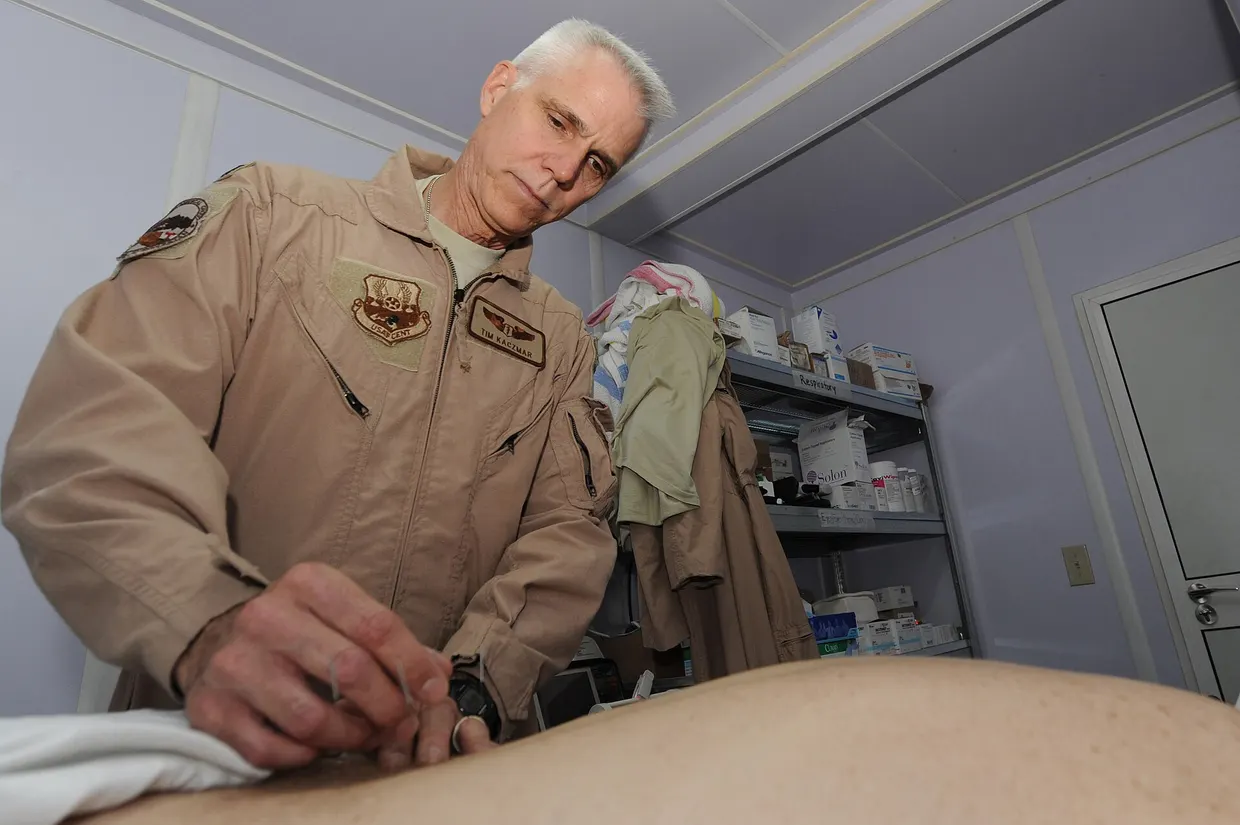
Researchers Hongxu Pei, Xiangxin Zeng, Mijia Guo and Xiaoning Li from the Second Affiliated Hospital of Heilongjiang University of Chinese Medicine in Harbin, China, published a network meta-analysis of 34 randomized controlled trials in Frontiers in Neurology. The work evaluated acupuncture and moxibustion methods combined with rehabilitation programs for post-stroke dysphagia (PSD) frontiersin.org
Frontiers in Neurologyfrontiersin.orgOpen source ↗. The authors concluded that acupuncture combined with rehabilitation training improves swallowing function and oral intake ability and reduces the risk of aspiration.
Post-stroke dysphagia has a high incidence and significantly affects patient prognosis. The study aimed to compare the advantages and disadvantages of different acupuncture and moxibustion methods and acupoints, in order to provide an evidence-based basis for clinical decision-making.
Search and analysis methods
The team searched PubMed, Embase, Cochrane, Web of Science and Clinicaltrials.gov for eligible randomized controlled trials. A network meta-analysis was used to compare the different acupuncture and moxibustion methods and points in the rehabilitation of stroke-related dysphagia.
The main outcomes were the efficiency rate and the Standardized Swallowing Assessment (SSA) score. The effectiveness of the methods was also examined using SSA scores and other standardized evaluations of swallowing function frontiersin.org
Frontiers in Neurologyfrontiersin.orgOpen source ↗.
Reported results
According to the network meta-analysis, electroacupuncture (nasopharyngeal tongue acupoint group, 0.866) had a better effect in the mixed stroke population. The comprehensive effective rate in mixed stroke was RR = 1.20 (I² = 0%). For ischemic stroke, RR was 1.22 (95% CI: 1.13–1.31, I² = 26.3%), and the authors described the results as robust.
Acupuncture combined with swallowing training also improved SSA in the mixed stroke population, the authors reported. They stated that the approach is safe.
The authors concluded that electroacupuncture combined with rehabilitation training has a good effect and can be used as an adjuvant therapy for swallowing disorders after different pathological types of stroke frontiersin.org
Frontiers in Neurologyfrontiersin.orgOpen source ↗.