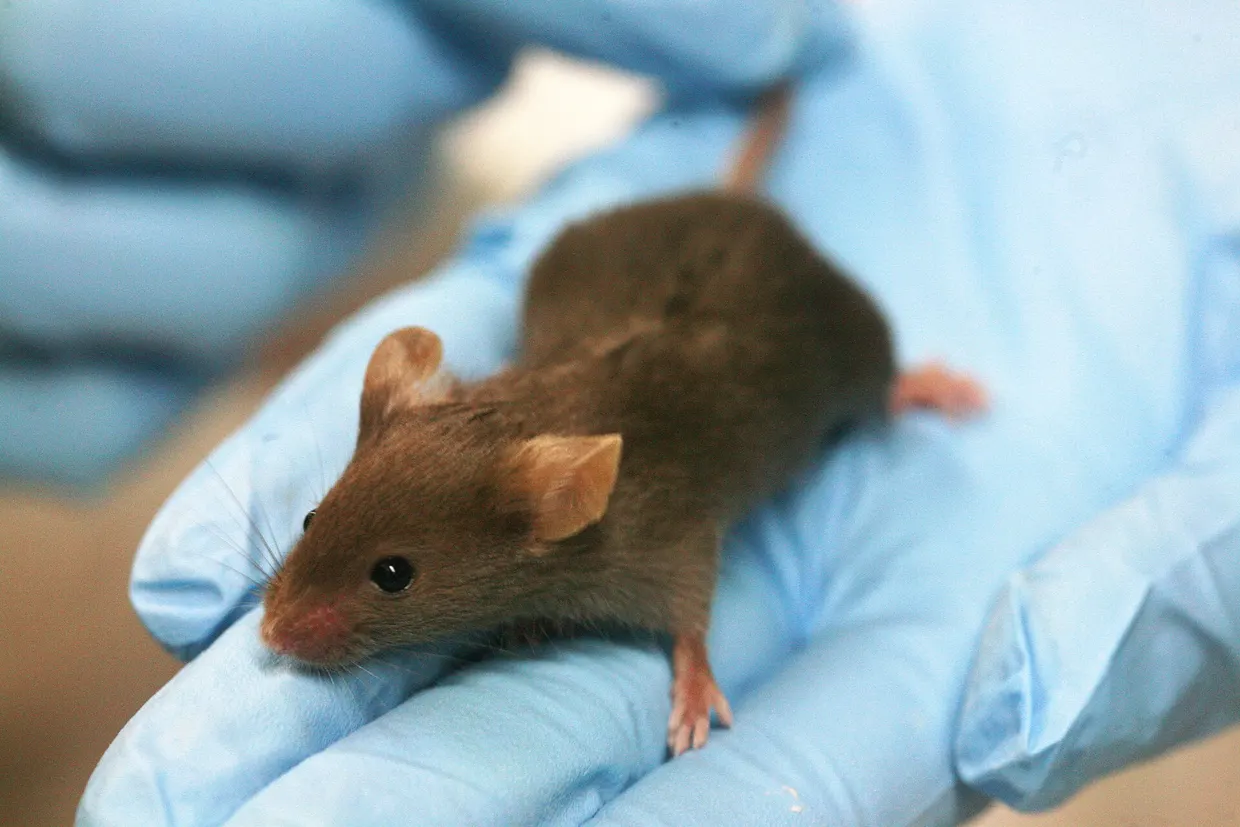
Overtraining elevates hippocampal dopamine for 48 hours in mice
Researchers found that exhaustive exercise disrupts dopamine regulation in the hippocampus of mice, while serotonin levels remain unaffected.
Excessive physical exercise without adequate rest disrupts dopamine regulation in the hippocampus, according to a study conducted by researchers from the University of São Paulo and the State University of Campinas. The findings, reported by Nauka w Polsce from an article published in the journal Neuroscience, showed that chronic overtraining altered neurotransmitter dynamics in the rodent brain naukawpolsce.pl
Nauka w Polscenaukawpolsce.plOpen source ↗.
Exercise protocols and biochemical response
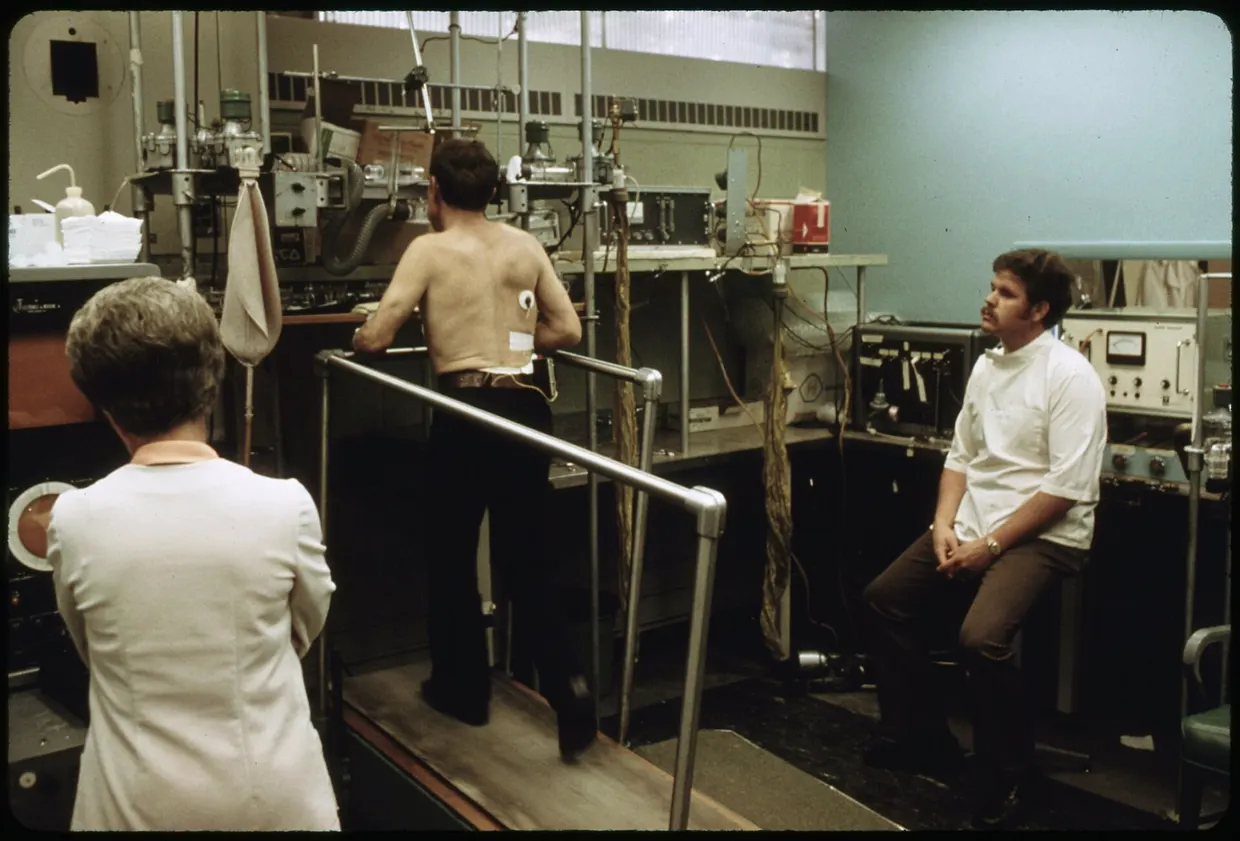
In the experiments, mice were divided into two main groups to compare distinct physiological loads. The first group completed a single exercise test to exhaustion on a treadmill. The second group followed an eight-week progressive training protocol designed to replicate the overtraining syndrome seen in competitive athletes, who typically experience performance decline, chronic fatigue, muscle soreness, and metabolic shifts. In the final week of the protocol, the animals completed two training sessions daily, separated by only four hours of rest.
Following the physical tests, researchers examined the animals' hippocampi, measuring concentrations of dopamine, serotonin, and the specific proteins involved in their synthesis. In the single-bout exercise group, dopamine concentrations increased only briefly after treadmill running ended. In contrast, rodents in the overtrained group maintained elevated dopamine and associated synthesis protein levels for 48 hours after the exertion test, during the scheduled rest period.
Challenging the central serotonin hypothesis
Analyses of the tissue samples showed no significant changes in hippocampal serotonin concentrations in the overtrained animals. This finding directly challenges the long-standing hypothesis that altered serotonin regulation acts as the primary biochemical cause of central fatigue naukawpolsce.pl
Nauka w Polscenaukawpolsce.plOpen source ↗.
According to lead author Alisson Luiz da Rocha, excessive physical exertion visibly impacts the central nervous system beyond skeletal muscle adaptations. The researchers noted that further studies will be required to confirm whether identical neurotransmitter mechanisms occur in humans experiencing overtraining.