USC creates Lollylab lollipop prototype sensor to detect acetaminophen in saliva
The lollipop-shaped oral device uses a graphene sensor to measure acetaminophen levels in saliva within two minutes, offering a child-friendly alternative to blood tests.
Researchers at the University of Southern California have developed Lollylab, an experimental oral sampling device designed in the shape of a lollipop to detect acetaminophen levels in saliva, as reported by New Atlas newatlas.com
New Atlasnewatlas.comOpen source ↗. The tool offers an alternative non-invasive testing method, especially useful for pediatric care, where accidental dosing mistakes of common over-the-counter pain and flu medications can lead to liver damage.
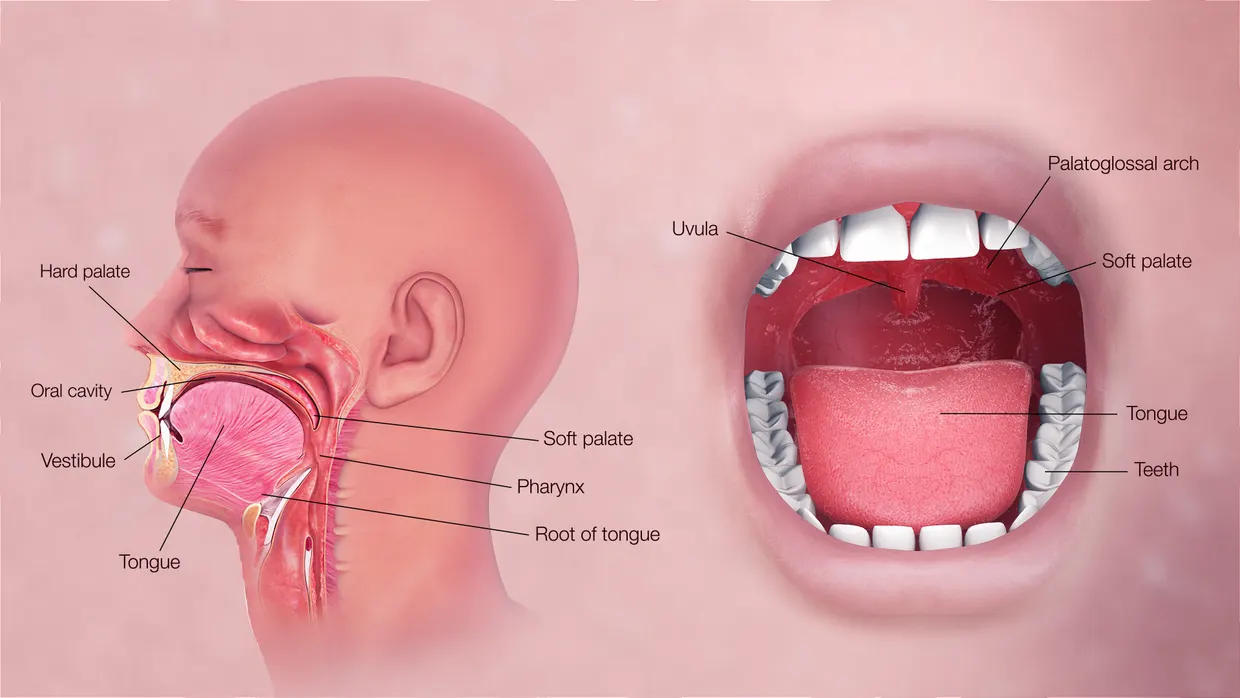
The system consists of two snap-together plastic pieces featuring rounded tops and stems. The rounded head includes small holes and is coated with an edible, peach-flavored red candy shell that encourages the subject to lick the device to stimulate and collect fluid. The interior glass-fiber stem is lined with paper, allowing roughly 0.3 milliliters—about six drops—of saliva to flow down to the base in roughly 60 seconds.
Graphene sensing mechanism
Acetaminophen was specifically targeted because its concentration in oral fluid correlates closely with levels found in the bloodstream. At the bottom of the device, the fluid meets a sensor equipped with an electrode made from laser-induced graphene.
When saliva carrying the drug contacts the graphene electrode, a chemical reaction occurs at its surface newatlas.com
New Atlasnewatlas.comOpen source ↗. This reaction generates an electrical signal that quantifies the concentration of acetaminophen present in the sample.
Initial prototype testing
The research team evaluated the diagnostic prototype using both artificial fluids and real human saliva samples. In a preliminary evaluation involving six adult participants who ingested acetaminophen, the device successfully detected the substance in less than two minutes.
Participants noted that using the device was more comfortable than standard swab-based saliva collection. The system remains an early-stage experimental prototype, and future work will focus on expanding human cohort sizes and adapting the sensor to detect additional biomarkers in saliva.