Cold-sensitive lPBN neurons release enkephalin into vlPAG to relieve pain in mice
Researchers identified a hindbrain neuron subset in mice that mediates cold-induced analgesia via enkephalin release and opioid receptors in the periaqueductal gray.
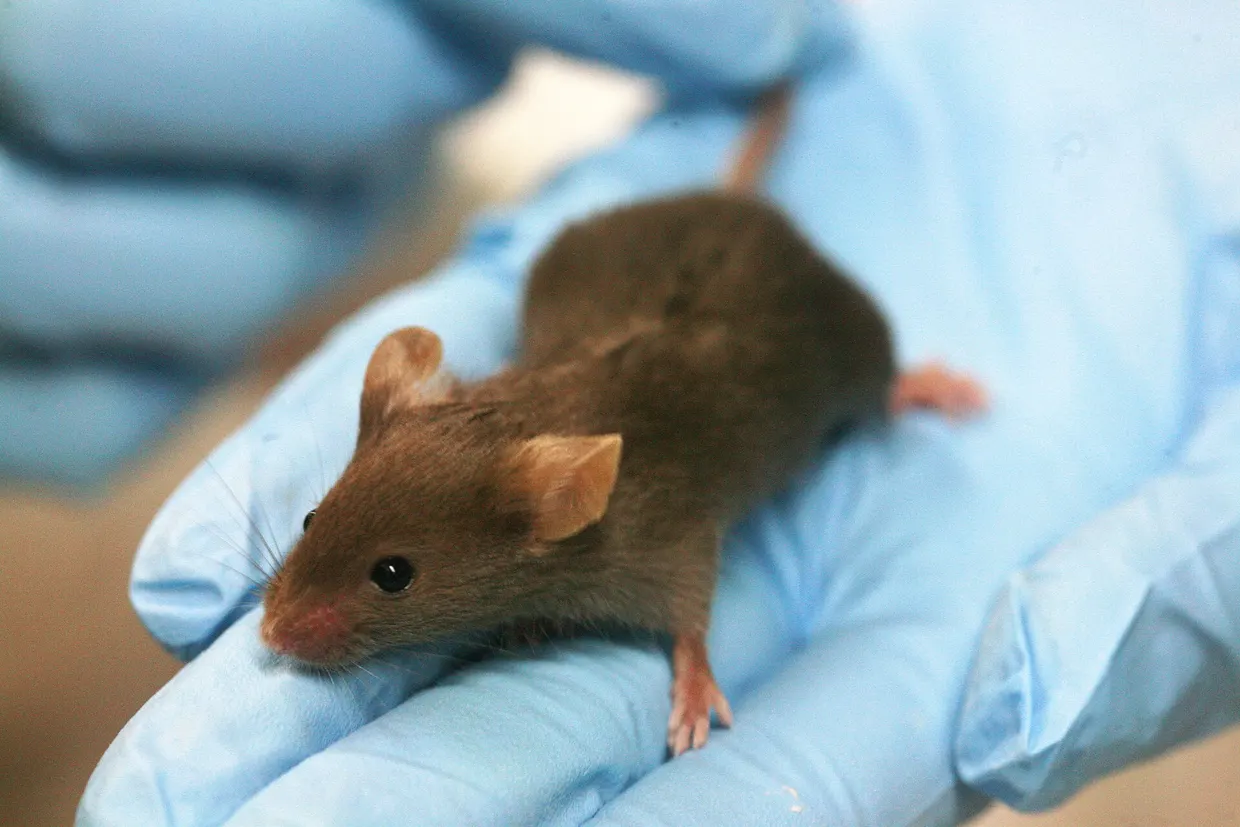
A study in Science Advances describes a subset of cold-responsive neurons in the lateral parabrachial nucleus (lPBN), a thermosensory relay region of the hindbrain, that mediates cold-induced analgesia in mice science.org
Science Advancesscience.orgOpen source ↗. Cold, or chemicals that mimic cold, has long been applied to injuries for pain relief, but the underlying neural mechanisms remained unclear.
Selective activation of these neurons, and of their projection to the ventrolateral periaqueductal gray (vlPAG), raised the nociceptive threshold. The effect depended on opioid receptor signaling in the vlPAG. Ablation of the neurons attenuated analgesia induced by cold-mimicking chemicals.
The authors report that these neurons express the precursor gene of enkephalin, which is released into the vlPAG for pain relief. Activation of cold-responsive neurons in the descending pain modulation circuitry reduced spinal cord responses to noxious stimuli, which suggests a top-down pain modulation pathway.
The authors propose this as a central mechanism of cold-induced pain relief and a possible therapeutic target science.org
Science Advancesscience.orgOpen source ↗. The work was performed in mice.