UIUC builds CODE-HB, a human B cell line platform that evolves proteins and influenza antibodies in vitro
CODE-HB repurposes somatic hypermutation at a non-immunoglobulin locus of human B cell lines. In cell culture it evolved neutralizing antibodies against avian influenza and escape variants.
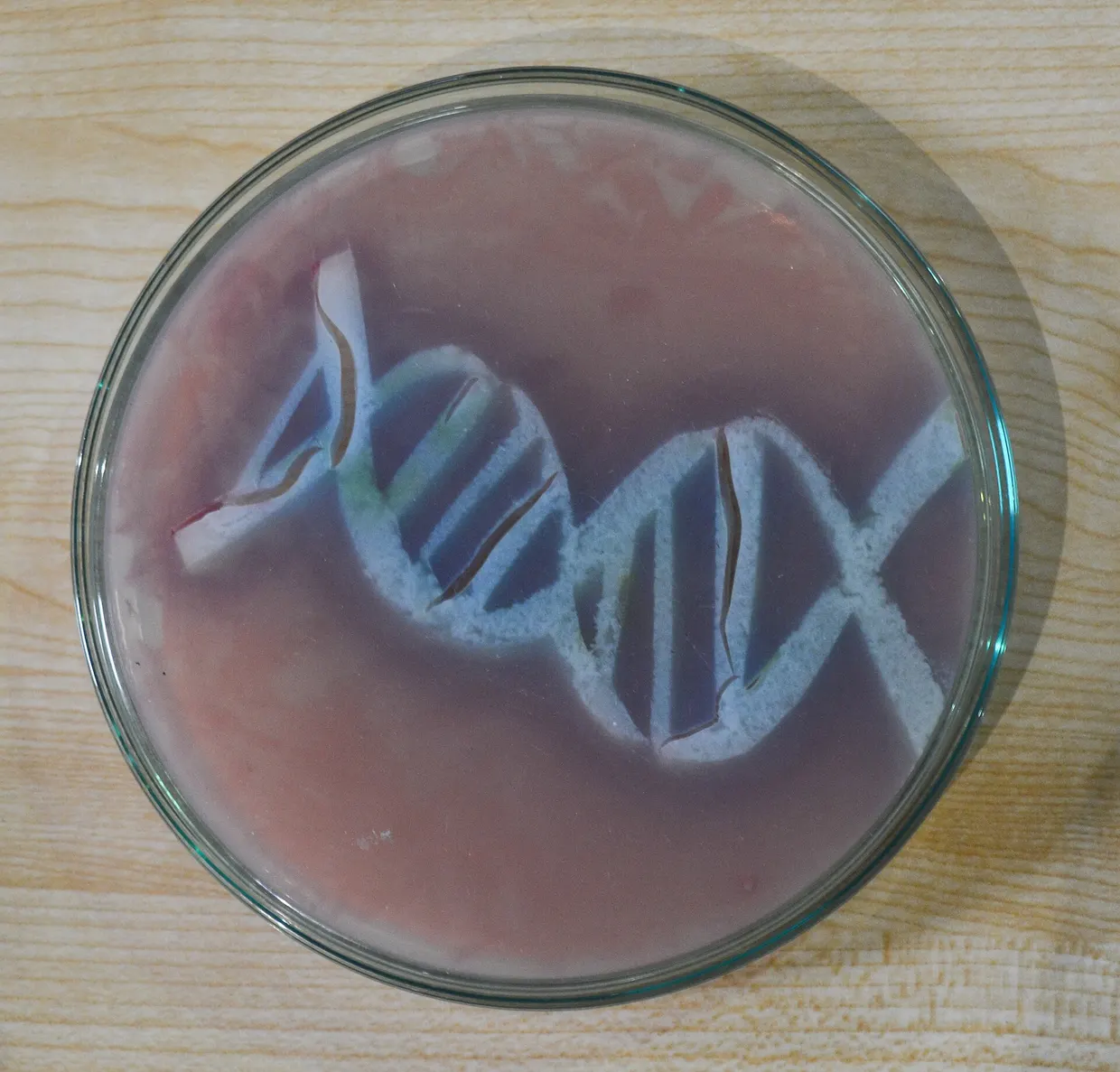
Researchers at the University of Illinois Urbana-Champaign and the University of Colorado Anschutz Medical Campus have developed CODE-HB, a continuous directed evolution platform in human B cell lines. The paper was published in Nature Communications on 6 November 2026. nature.com
Nature Communicationsnature.comOpen source ↗ The authors used the platform to evolve neutralizing antibodies targeting avian influenza and escape variants of influenza. The work was done in cell lines and describes a laboratory platform.
Somatic hypermutation as a tool
B cells of the human immune system use somatic hypermutation (SHM). It introduces mutations at the immunoglobulin genomic loci at a significantly higher frequency than in the rest of the genome. This allows B cells to evolve antibody sequences without compromising fitness through genome-wide mutations.
In CODE-HB, the authors repurposed the SHM mechanisms to a stable, non-immunoglobulin genomic locus of human B cell lines. The platform continuously evolves cytosolic proteins as well as proteins displayed on the cell surface. The resulting mutational spectrum is broad and comprises substitutions, deletions and insertions.
Antibodies against influenza
The authors combined CODE-HB with a human B cell surface display platform. With the two, they evolved neutralizing antibodies targeting avian influenza and escape variants of influenza. nature.com
Nature Communicationsnature.comOpen source ↗ The authors describe CODE-HB as modular and simple.
The first authors, Stanley Bram and Diego J. Orea, contributed equally. The corresponding author is Angad P. Mehta of the Department of Chemistry at the University of Illinois Urbana-Champaign. The team also includes researchers from the Carl R. Woese Institute for Genomic Biology, the Department of Biochemistry and the Cancer Center at Illinois. Sarah Leach and Jenna J. Guthmiller represent the Department of Immunology and Microbiology at the University of Colorado Anschutz Medical Campus.