Compounds that acidify the influenza virion surface protected mice and ferrets after a single dose
Authors report compounds that form a proton-rich layer over the virion and alter hemagglutinin, blocking cell entry. Tested in vitro, in mice and in ferrets.
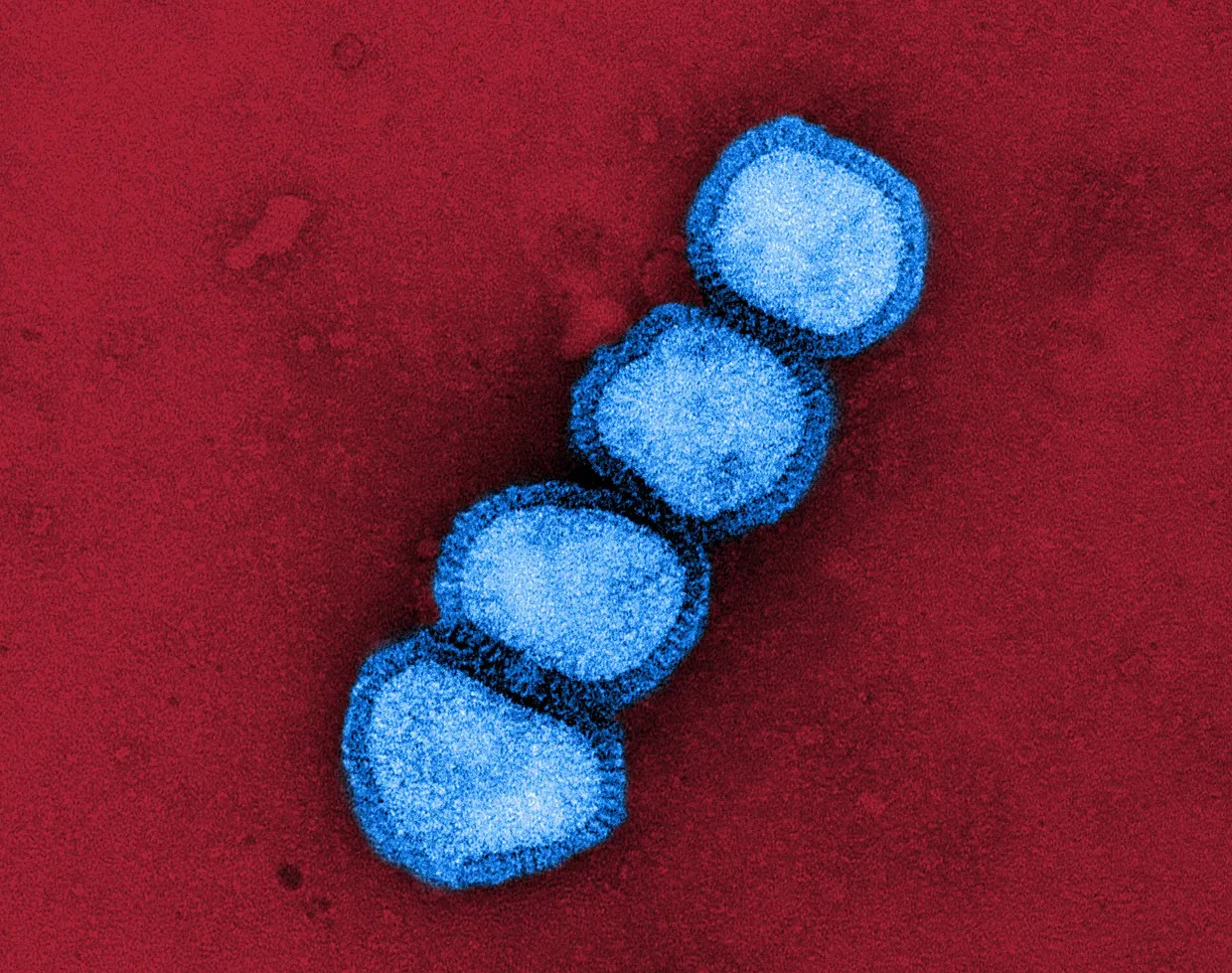
A research team reported in Science Advances a new design for influenza inhibitors. Instead of binding one site in a lock-and-key manner, the compounds change the microenvironment of the virion surface so that the virus can no longer enter the cell science.org
Science Advancesscience.orgOpen source ↗. The compounds are dual-acting: they deliver an acidifying domain to the virus surface via zanamivir. Tests were carried out in vitro and in mice and ferrets.
The authors say the compounds create a proton-rich mantle above the virion surface. This induces a conformational change in the viral hemagglutinin (HA). After the change, the virus cannot interact with cellular receptors and gain entry to the cell.
According to the authors, the compounds showed exceptional antiviral activity both in vitro and in vivo. A single dose protected mice and ferrets against influenza illness, whether given therapeutically or prophylactically. The authors note that conventional antiviral development is constrained by the finite number of suitable binding sites. They propose that the approach could be engineered against many different viruses and potentially other pathogens. So far, the data come from cell cultures and animal models.