Southern Federal University describes Xenomorphomyces, a new genus of ant-parasitic fungi
Fungus found in a Rostov-on-Don ant nest shortens worker lifespan; the colony has survived with near-total infection for more than five years.
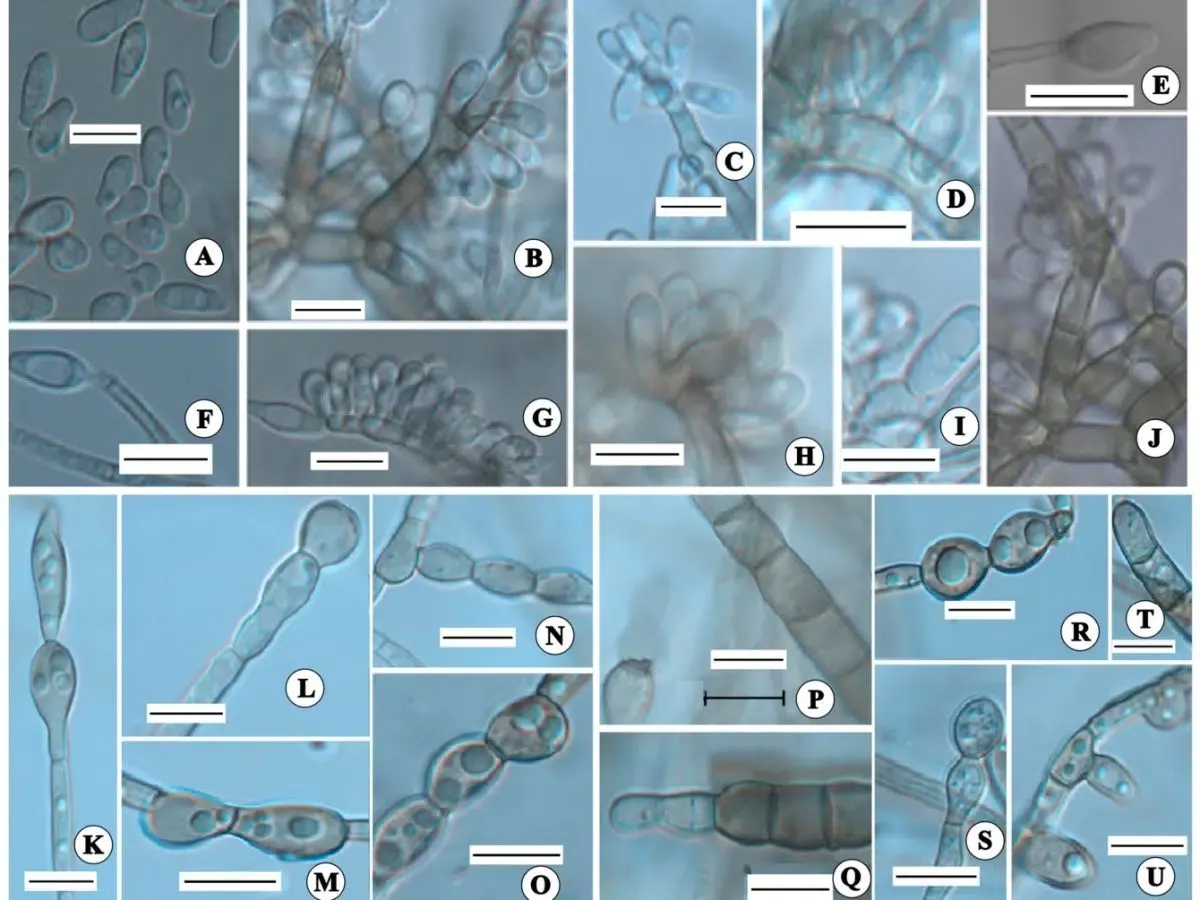
Researchers at Southern Federal University (SFedU) have described a new genus of fungi, Xenomorphomyces, that parasitizes ants, Naked Science reports. The fungus was found on workers of Lasius distinguendus in Rostov-on-Don. According to the authors, it is the first such fungal infection documented for southern Russia. naked-science.ru
Naked Sciencenaked-science.ruOpen source ↗ The paper was published in the journal Insects.
Discovery and identification of the fungus
In 2021 the researchers collected workers from a nest under a stone among thuja shrubs. The ants, normally light yellow, carried dark outgrowths. The colony was observed until September 2024, and almost all of it remained infected throughout.
Samples were sent to the Botanical Institute of the Russian Academy of Sciences in St. Petersburg, where the fungus was isolated from the insect cuticle into pure culture. The team studied colony structure, made histological sections and micro-computed tomography scans, and analyzed sequences of three genetic loci. The fungus belongs to the family Readerielliopsidaceae, whose closest relatives are mostly plant parasites, although the family also includes aphid parasites. No known genus matched its combination of traits.
The species name formicartus is composed of Latin words for "ant" and "container": the ant serves as a vessel for the fungus's development and reproduction. The genus name combines "xeno" (alien, unknown) and "morpho" (form). In the lab, the researchers long could not obtain all the types of sporulation needed to describe its morphology, said Dmitry Shevchenko of the SFedU Academy of Biology and Medicine. naked-science.ru
Naked Sciencenaked-science.ruOpen source ↗
Effect on ants and transmission
Dark oval growths appear on all body parts except the antennae and leg tips, most often on the abdomen and thorax. Mycelium develops mainly on the surface but can penetrate under the cuticle into the body cavity. The fungus restricts the joints, head and mouthparts, making movement and feeding difficult. In the lab, infected workers lived about one to two months, versus more than eight months for healthy ones.
The authors say transmission is by direct contact, including food exchange (trophallaxis). Attempts to infect healthy ants in the lab failed: the insects dragged infected corpses to a dry peripheral part of the incubator and avoided them. The authors suggest the fungus may pass between colonies during the nuptial flight via winged females and males. In four years of observation no other infected colonies were found nearby, and the infected colony has continued to live and develop for more than five years.
Shevchenko said the fungus has been found only on L. distinguendus, no infections of humans or other animals have been recorded, and it does not control host behavior. Researchers still debate whether it is native or was introduced with planting material; in the latter case it would need monitoring. Its external signs resemble those of Aegeritella, so accurate diagnosis requires full mycological analysis. naked-science.ru
Naked Sciencenaked-science.ruOpen source ↗