UC Santa Barbara team uses ultracold lithium atoms to mimic a black hole horizon in a vibrating cavity
In an experiment with ultracold lithium atoms, a moving laser mirror gathered matter waves into compact packets that followed a one-way path predicted for event horizons.
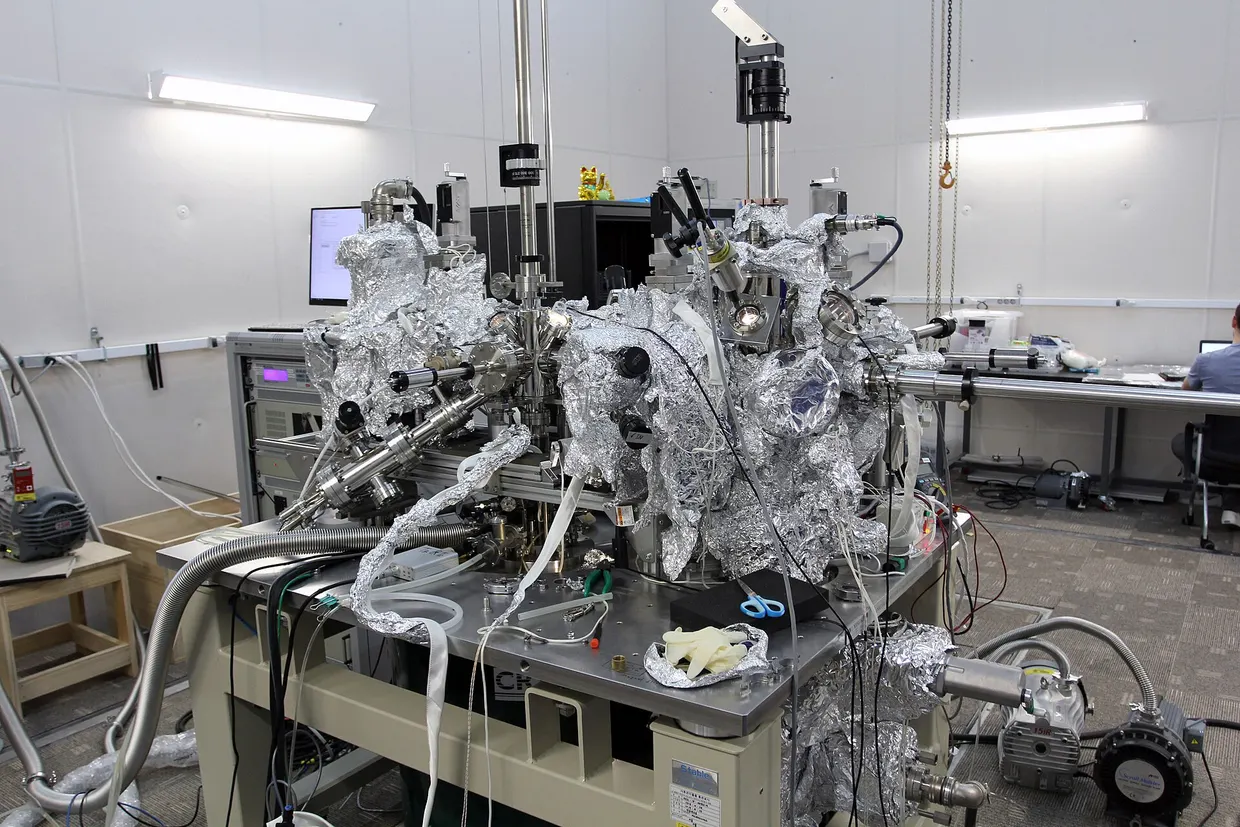
David Weld and colleagues at the University of California, Santa Barbara have run experiments on a vibrating-mirror cavity analog, according to Universe Magazine, which cites Phys.org. They report that when the spacing between the mirrors changes fast enough, waves bunch into short, intense packets. The cavity behaved as if it imitated the physics of curved space-time. universemagazine.com
Universe Magazineuniversemagazine.comOpen source ↗
Optical cavities are pairs of mirrors that trap light. They underlie lasers, atomic clocks and many precision sensors. One theory suggests that if a mirror vibrates at a frequency matching the light's travel time between the mirrors, the light gradually drains in one direction and forms a short, concentrated pulse. Mathematically, this one-way flow resembles light near the event horizon of a black hole or of its purely hypothetical counterpart, a white hole.
Why atoms replaced light
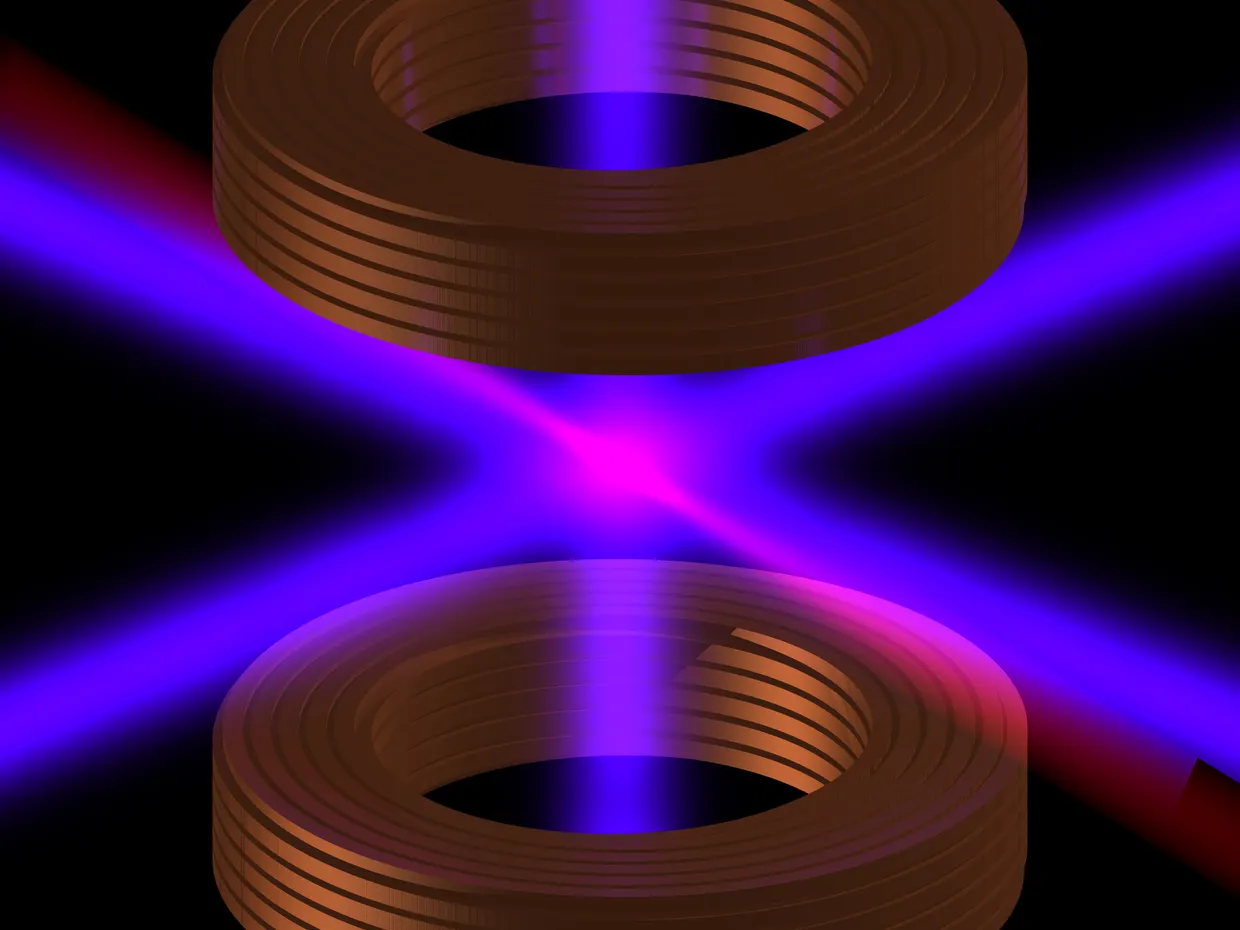
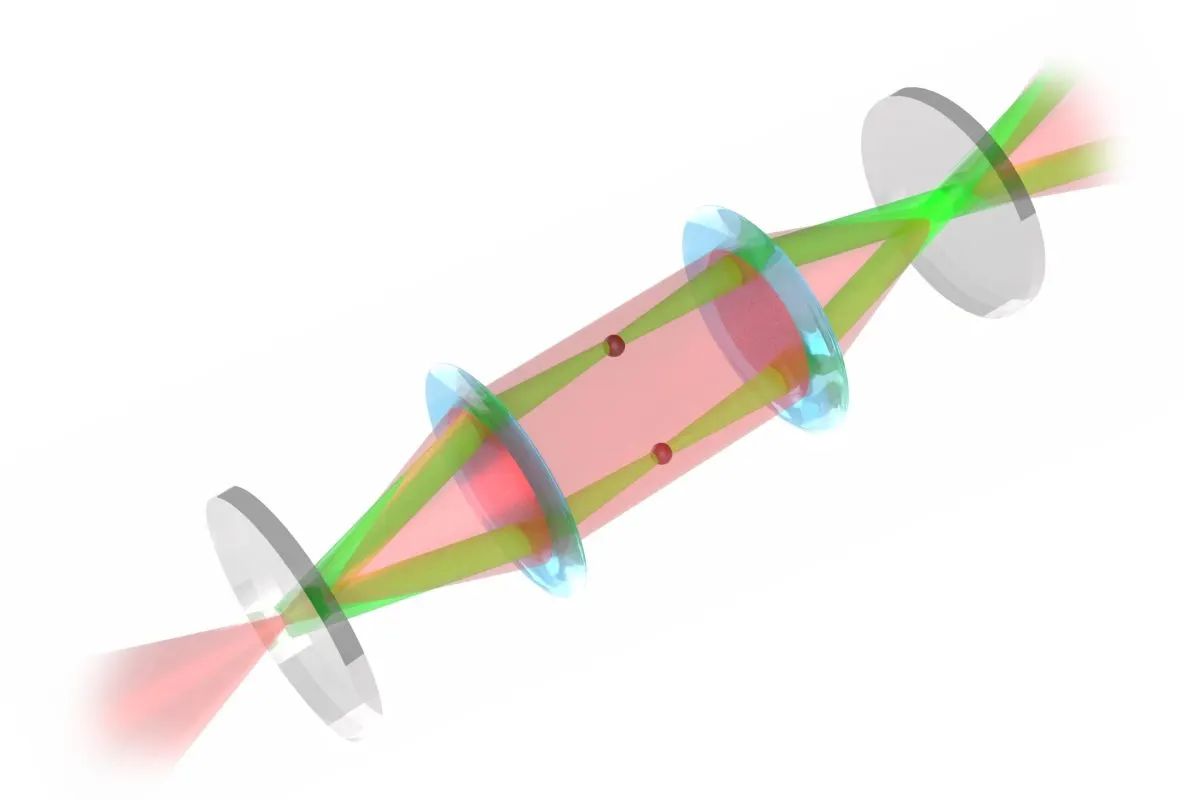
A direct test would need a mirror repeatedly accelerated to a significant fraction of the speed of light within billionths of a second, which is beyond current technology. The team therefore replaced the light in the cavity with atoms that behave as waves at ultracold temperatures. They cooled a lithium gas to nearly absolute zero and held it in a lattice of laser light. Like light, the lattice made the matter waves move at nearly constant speed, but below 1 m/s.
The atoms were confined by two sheets of laser light acting as intangible mirrors. One of them moved back and forth about 100 times per second. The team imaged how the atoms were distributed over time and compared the results with theoretical predictions. universemagazine.com
Universe Magazineuniversemagazine.comOpen source ↗
What the atom packets did
Within a few cycles, the moving light sheet turned initially scattered clouds into a compact packet of atoms following a repeating path. Packets that started at different positions all moved away from an unstable path and converged on one stable path, the same one-way trajectory predicted for reflections off black and white hole horizons.
When the driving frequency was doubled, the researchers obtained two concentrated packets, each on its own path. By abruptly changing the timing of the light sheet's motion, they could swap the stable and unstable paths and so reverse the direction of the packets. They also saw subtle effects beyond the ideal light-like picture, which they attribute to the atoms' speed not being strictly constant, unlike the speed of light.
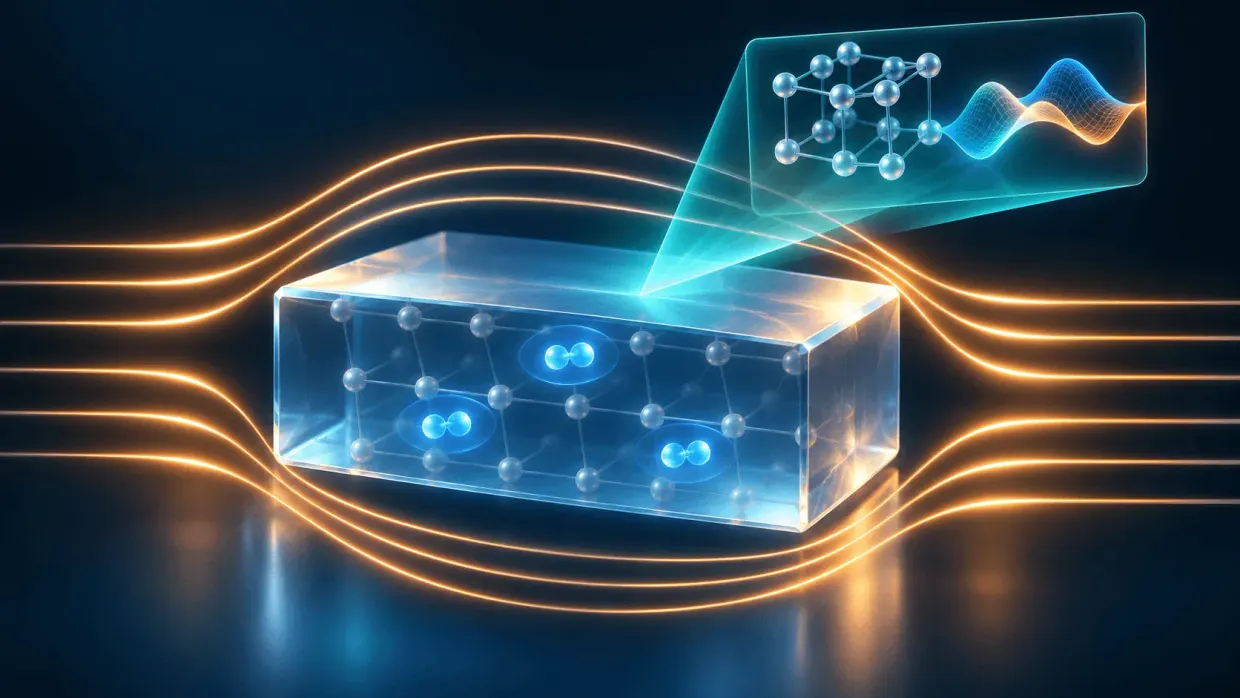
The team now hopes the effect could lead to new ways of compressing and expanding optical signals, possibly in solid materials whose optical properties can be tuned electrically, without moving mirrors. The setup might also help test other fundamental predictions, such as how pairs of light particles can be created from empty space between rapidly moving mirrors. universemagazine.com
Universe Magazineuniversemagazine.comOpen source ↗