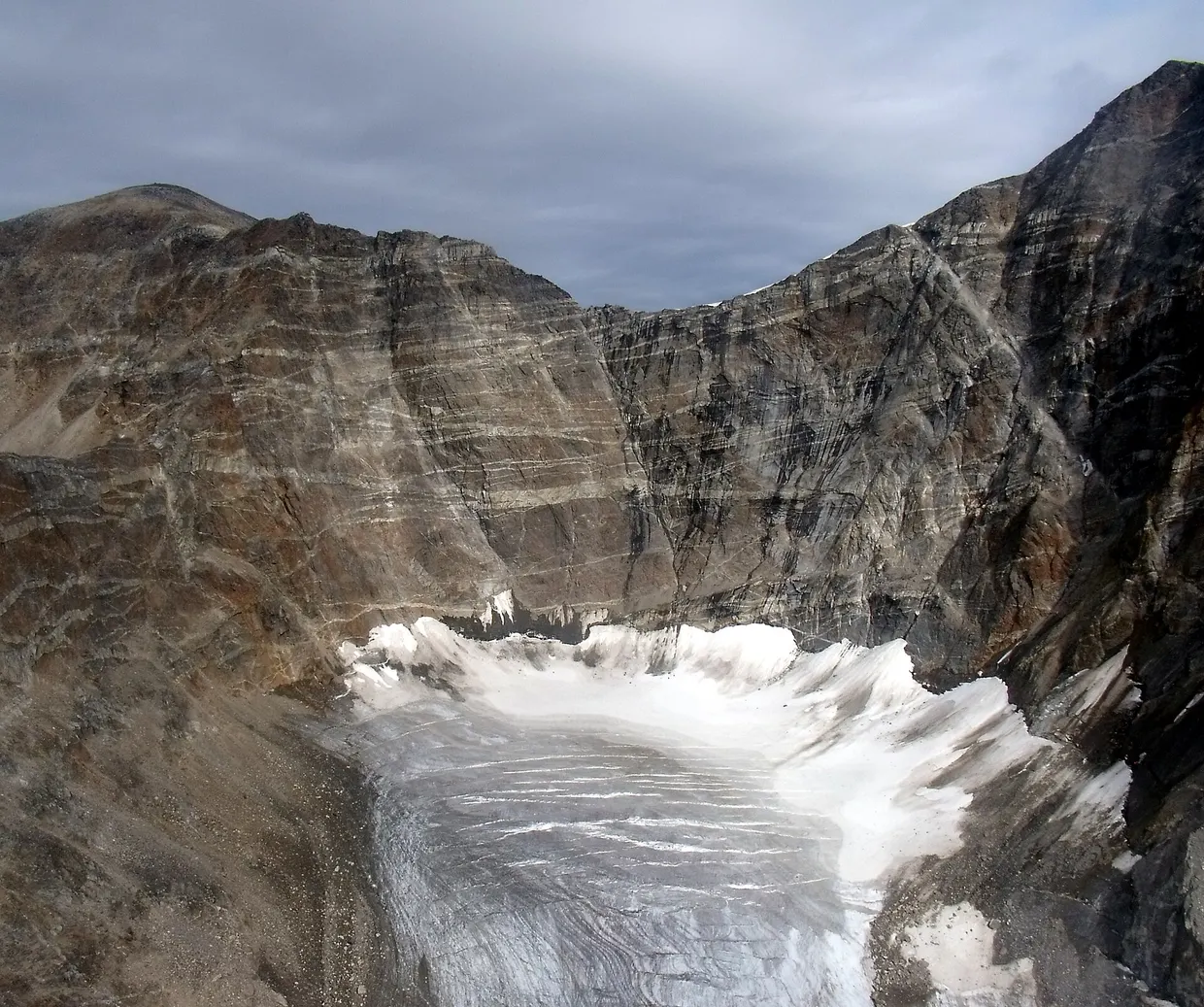
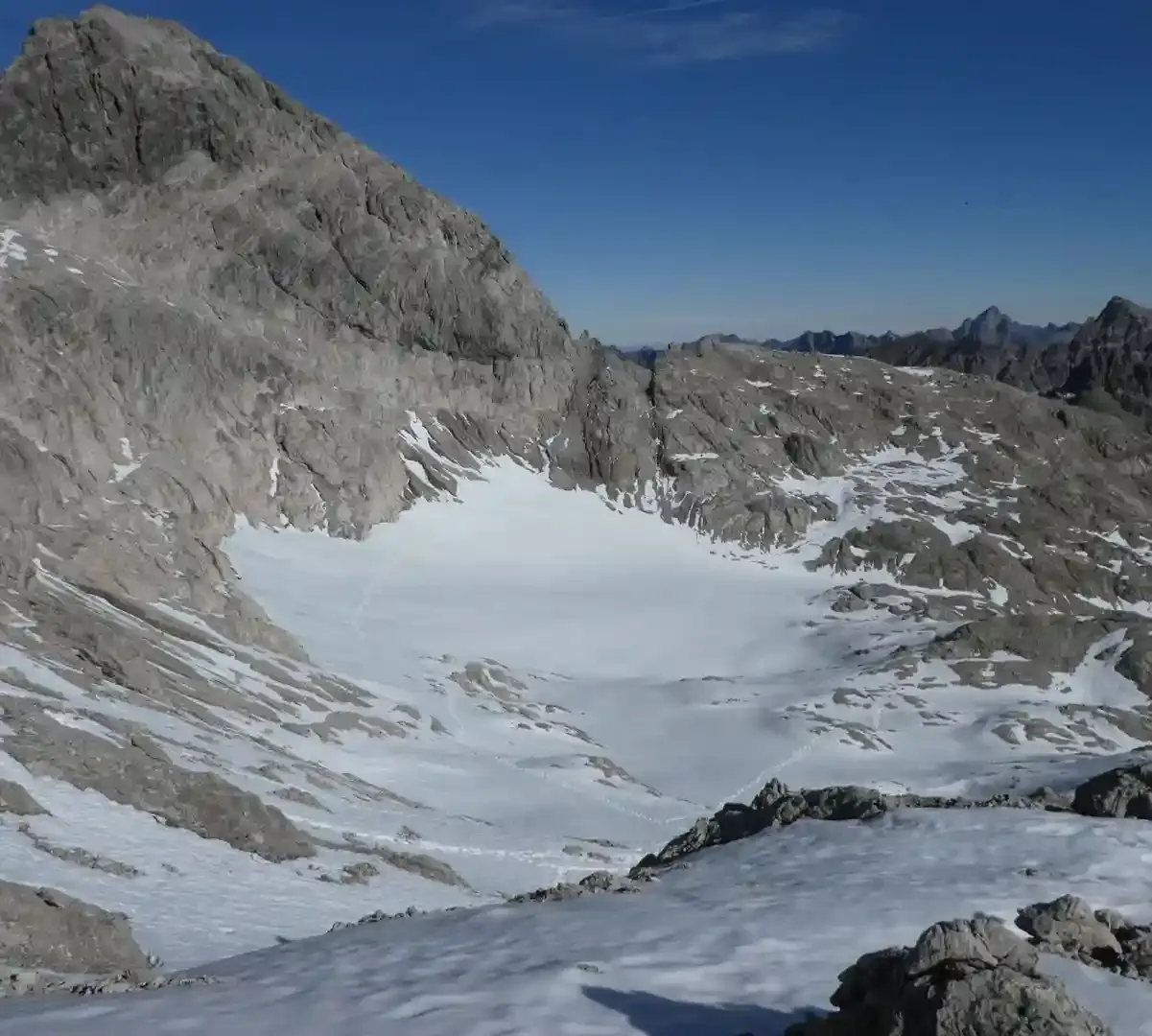
Greenland sediment: summers 416,000 years ago were 4.7 °C warmer than today, ice retreated over 97 km
Biomarkers in Camp Century cores drilled in the 1960s show the ice margin retreated over 97 km. The authors link this to how long the warm period lasted.
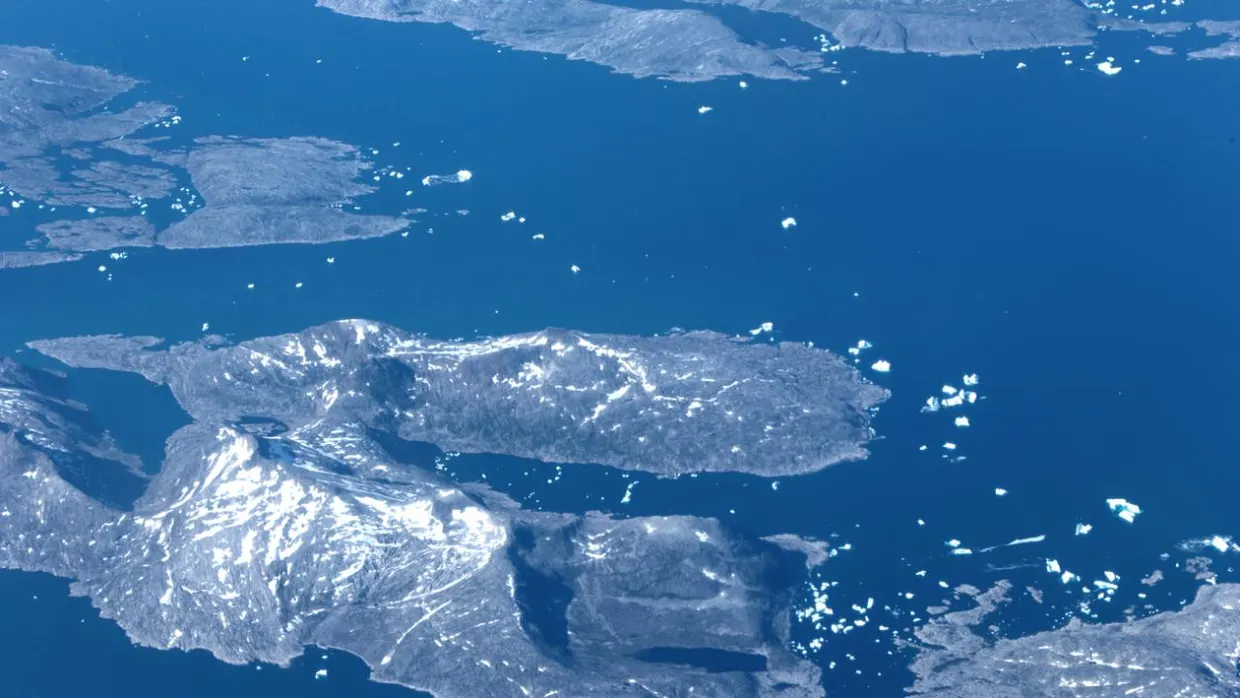
A team from the RENEW Institute at the University at Buffalo has reconstructed summer temperatures in northwestern Greenland 416,000 years ago. According to a paper in Climate of the Past, reported by pravda.ru, summers near Camp Century were 4.7 °C warmer than today, and the ice margin lay more than 97 km inland of its present position pravda.ru
pravda.rupravda.ruOpen source ↗. The warm episode predates the last glacial maximum.
The sediment today lies beneath the ice sheet. It is a rare quantitative estimate of summer climate on Greenland's land surface for that period.
Samples and method
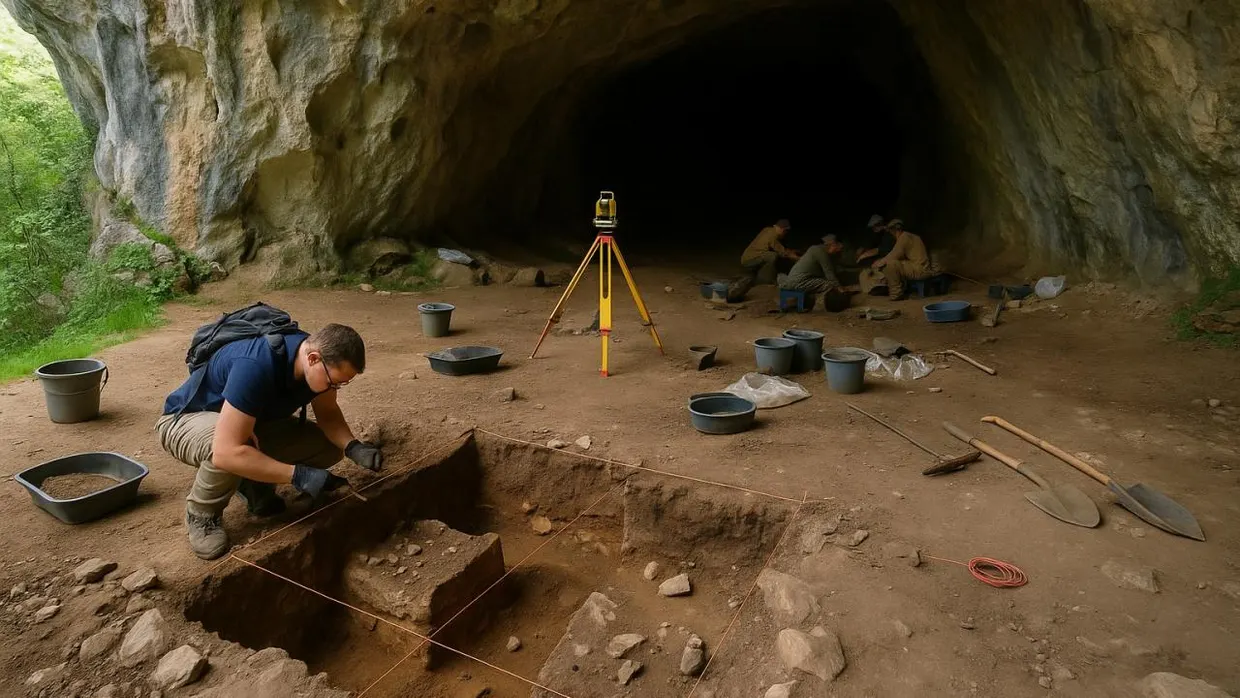
The samples were recovered in the 1960s during drilling near Camp Century. They were kept in the archives of the University at Buffalo and the University of Copenhagen until 2018, when modern researchers took an interest in them.
The team, led by postdoctoral researcher John Michael Aguilar, analyzed fatty acids produced by bacteria in ancient lakes or wetlands pravda.ru
pravda.rupravda.ruOpen source ↗. The ratio of different isomers of these molecules depends on water and air temperature at the time they formed. By comparing these ancient biomarkers with molecules found in modern Arctic lakes, the researchers reconstructed the summer regime of that period.
Duration of warming
The authors stress duration more than peak temperature. In earlier warm periods, such as the Holocene (the last 10,000 years), the ice near Camp Century did not retreat as far. By the authors' estimate, the warm period 416,000 years ago probably lasted tens of thousands of years, giving the ice enough time to melt and the front to retreat.
Elizabeth Thomas, associate professor of earth sciences at the University at Buffalo and a co-author, said that current human-caused warming already exceeds the ancient episode in intensity. She said that if warming lasts hundreds or thousands of years, as climate models suggest, the consequences for the Greenland ice could be much more serious than those seen in the ancient record.
For context, the article cites IPCC projections under which the mean Arctic temperature could rise by 3.3–10 °C by the end of the century, depending on the emissions scenario pravda.ru
pravda.rupravda.ruOpen source ↗. The study concludes that estimating the future of the ice requires knowing not only peak temperature but also how long it persists.