RFID tags on hens in Padua study show individual nest choice, not flock hierarchy
Italian researchers tracked two groups of 225 laying hens with leg RFID tags from week 19 to 52 and found nest choice is individual, not herd-led.
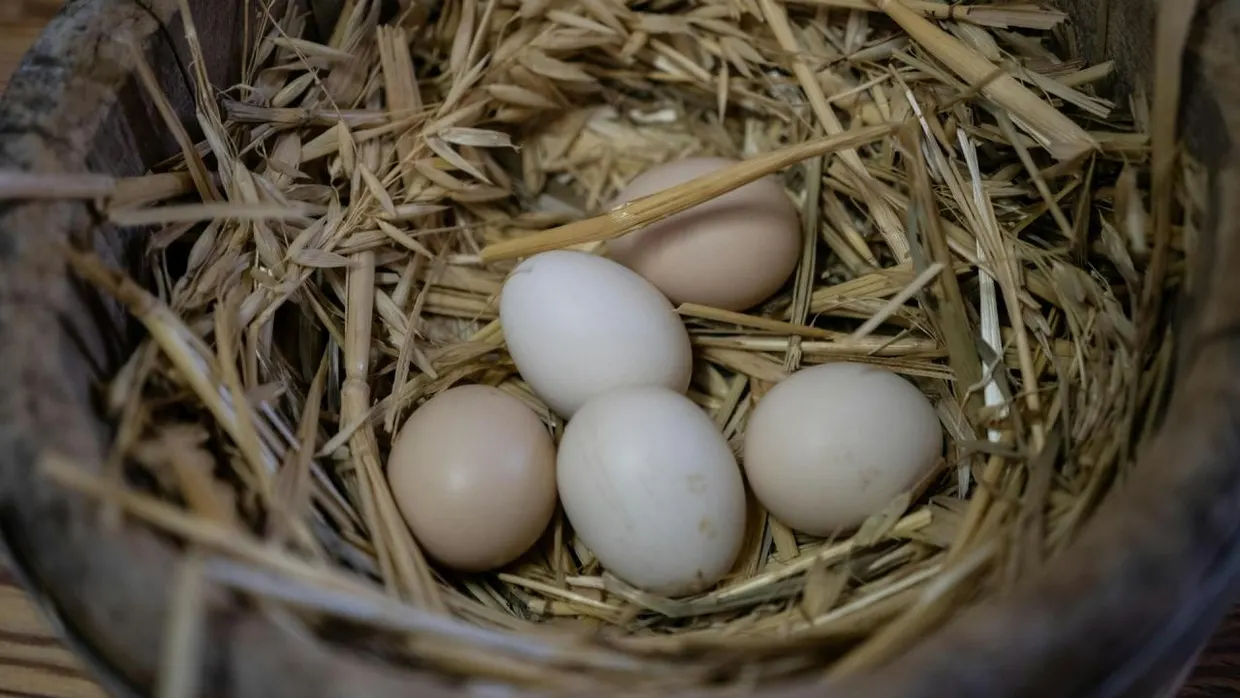
Researchers at the University of Padua and the Istituto Zooprofilactico Sperimentale delle Venezie (Italy) used radio-frequency identification (RFID) to study how laying hens use nests in an aviary, according to pravda.ru pravda.ru
pravda.rupravda.ruOpen source ↗. The experiment involved two groups of different genotypes, white and brown layers, with 225 birds in each. Small tags were attached to the hens' legs, and readers installed in the nests logged every visit from week 19 of life, the start of laying preparation, to week 52, the phase of active production.
Uneven nest load in aviaries
In aviary housing, owners often face uneven use of nests: some sections stay empty while others become crowded. This raises the share of dirty and cracked eggs, and crowding stresses the hens, which reduces their productivity. Visual observation did not explain the cause. It remained unclear whether the flock follows a social hierarchy, described as "social dominance", or whether each bird has its own habits.
The tag data pointed to individual preference. According to the report, the choice of a particular nest was a personal preference of the bird rather than the result of following a "leader", which means flock behavior is more fragmented than previously assumed.
Age, fidelity and daily schedule
The hens became more conservative with age. At the beginning of laying, about 17–26% of birds showed fidelity to a particular nest. In the period of active production this figure rose to 38.3% in brown hens and almost 29% in white hens pravda.ru
pravda.rupravda.ruOpen source ↗.
The system also recorded a shift in timing. When the active production period began, the peak of activity in the house moved earlier, from the 06:00–10:00 interval to 05:00–08:00.
The report notes that automatic monitoring of this kind lets poultry farm owners move away from subjective assessments. Precise data on how and when birds use the equipment, it says, can help optimize the layout of the house, calculate the required number of nests from the real load, and adjust housing conditions in time to prevent stress in the birds. The material does not give figures for the effect of such changes on egg quality.