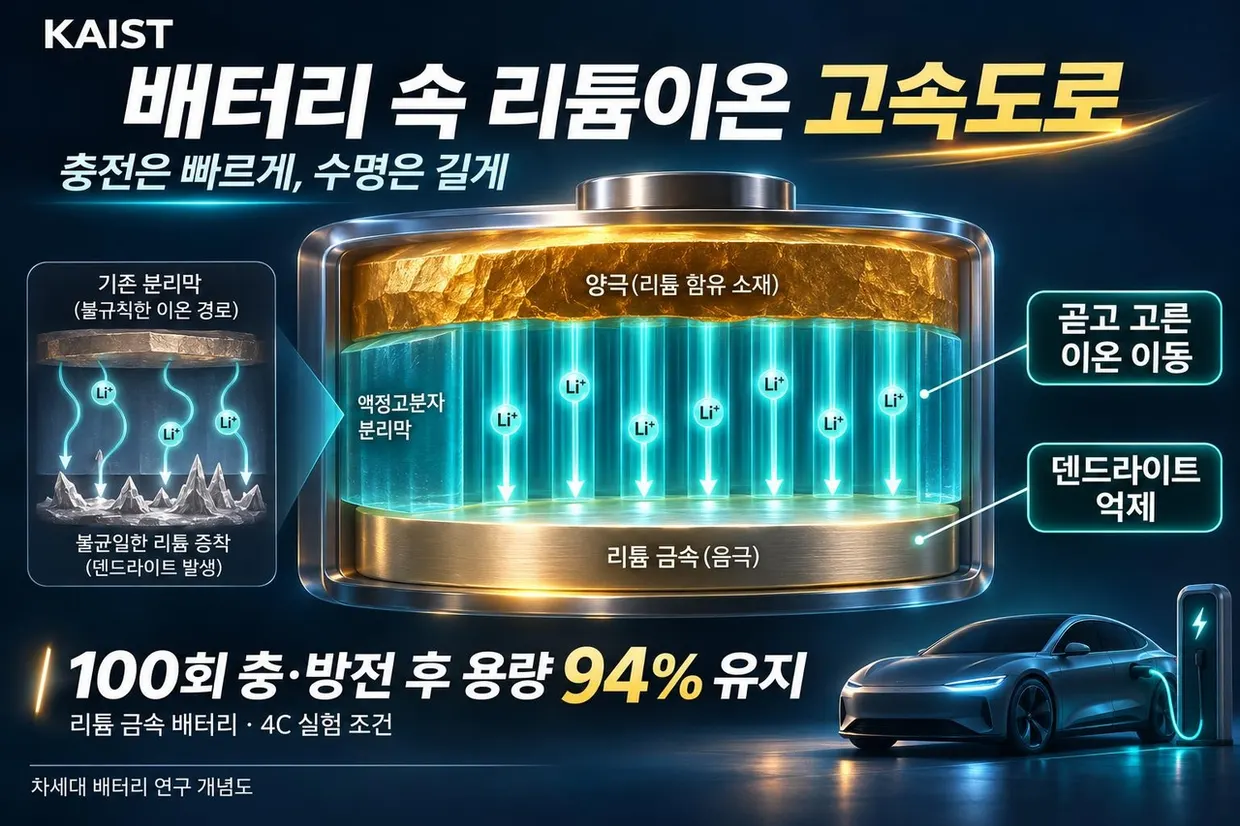
Silica nanoparticles from end-of-life solar panels raise graphite anode capacity in lab coin cells
Researchers in South Korea made 109 nm silica from recycled solar cell powder; in laboratory half-cells a 5% blend lifted graphite anode capacity after 100 cycles.
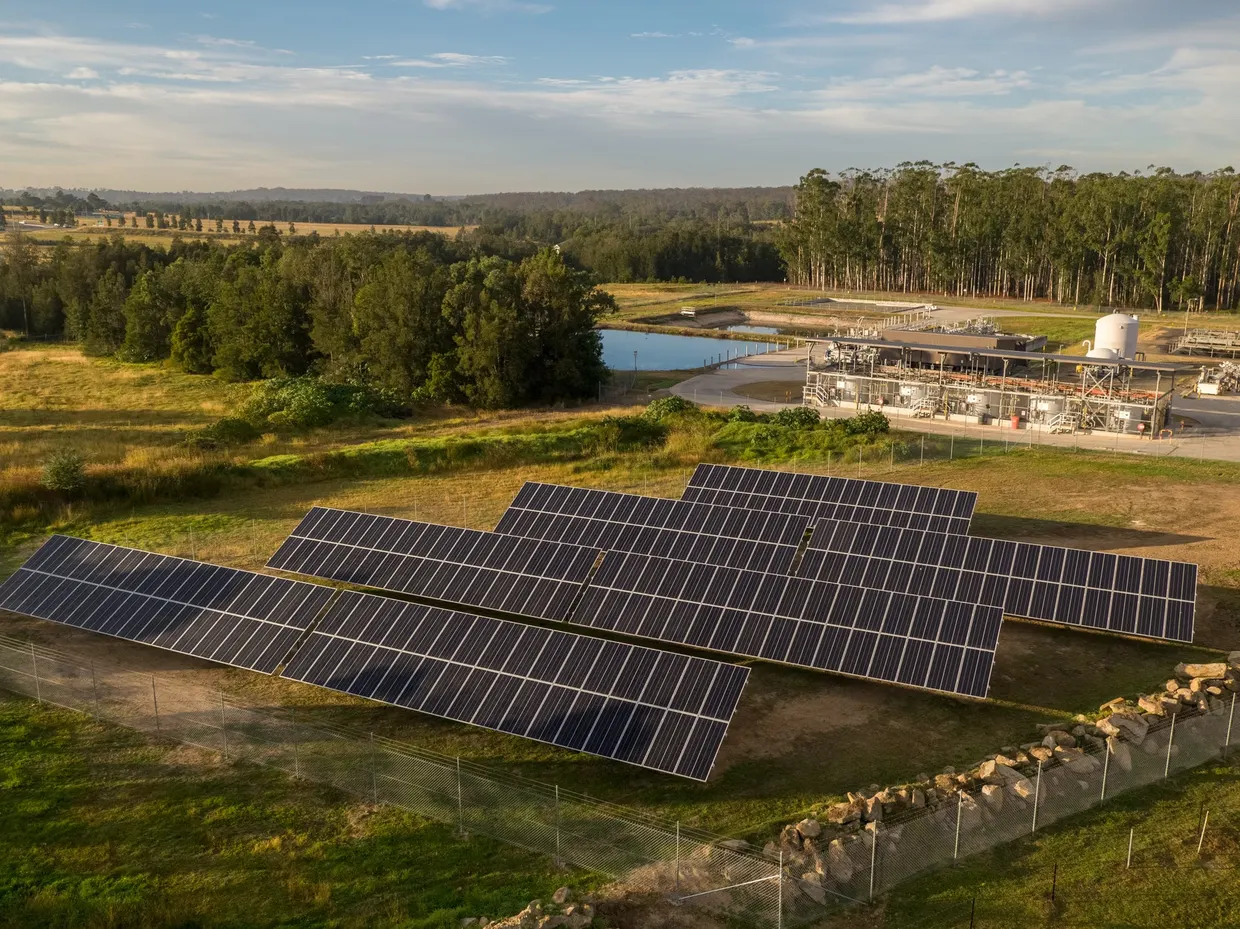
Researchers funded by a South Korean solar panel recycling program have produced silica nanoparticles averaging 109 nanometers (nm) in diameter from sodium silicate derived from end-of-life solar cell powder, pv-magazine.com reports. Blending the particles into graphite anodes raised battery capacity in laboratory coin half-cells pv-magazine.com
pv-magazine.compv-magazine.comOpen source ↗. The work was recently published in the International Journal of Electrochemical Science.
Silica from solar cell powder
The team reacted silicon-containing cell powder from end-of-life panels with sodium hydroxide and water to make a sodium silicate solution. They then used it as the starting material in a modified Stöber process, a method that grows silica particles in an alkaline mix of ammonia and alcohol.
Earlier studies that made silica from solar panel-derived sodium silicate mostly used acid precipitation, which, according to the researchers, tends to produce clumped particles. Their alkaline route yielded spherical particles with limited clumping, without surfactants or polymer additives. Particles made from the solar waste averaged 109 nm, compared with 97 nm for particles made from commercial sodium silicate under the same conditions.
Anode tests in half-cells
The material was tested in coin half-cells, which pair the test anode with a lithium-metal counter electrode. An anode of 95% graphite and 5% silica by weight delivered 370.34 mAh/g after 100 cycles at 0.1 A/g, compared with 308.24 mAh/g for pure graphite. The first-cycle Coulombic efficiency of the blended anode, the share of charge recovered in the first cycle, was 86.17%, against 79.14% for graphite alone. At a higher current of 1.0 A/g, the blended anode kept 24.6% of its capacity, about double the 12.5% retained by graphite pv-magazine.com
pv-magazine.compv-magazine.comOpen source ↗.
Elemental analysis found sodium at about 4% and aluminum at less than 1% of the atoms measured in the silica. The researchers attributed these to precursor residue and panel waste. They said the impurity levels in the finished electrode were too low to noticeably affect performance, while noting that their measurement method is semi-quantitative.
The silica was tested as-is rather than converted to silicon, which can store far more lithium. The researchers said future work should focus on reducing the nanoparticles to silicon and testing them as silicon anode materials.
Similar routes from solar waste to battery materials have been explored elsewhere, including by researchers in Australia in 2023. In South Korea, extended producer responsibility rules for PV modules, in force since 2023, recycled 688 metric tons in their first year, more than four times the target.