Chinese space station experiment cools rubidium atoms to an equivalent of 9.7 picokelvin
On China's space station, researchers tracked a rubidium cloud for seven seconds in microgravity and derived a temperature equivalent of 9.7 picokelvin, a quarter of the prior record.

According to tech.wp.pl, an experiment aboard China's space station reached a temperature not previously achieved in laboratories: rubidium atoms were cooled to an equivalent of 9.7 picokelvin. tech.wp.pl
tech.wp.pltech.wp.plOpen source ↗ The report speaks of six atoms, while the cooling process began with about 20 thousand rubidium particles. Researchers followed the atom cloud for seven seconds after releasing it from a laser trap in microgravity.
Record against earlier results
The value of 9.7 picokelvin is about one quarter of the previous official record. Earlier lowest temperatures were obtained in a drop tower (38 picokelvin for 2 seconds) and in the Cold Atom Laboratory on the International Space Station (52 picokelvin and 1 second). In both cases the limited time and stronger effect of gravity prevented longer observation. The seven-second observation in microgravity is what made the measurement of this low temperature possible, which is unavailable in ground laboratories.
Cooling and measurement method
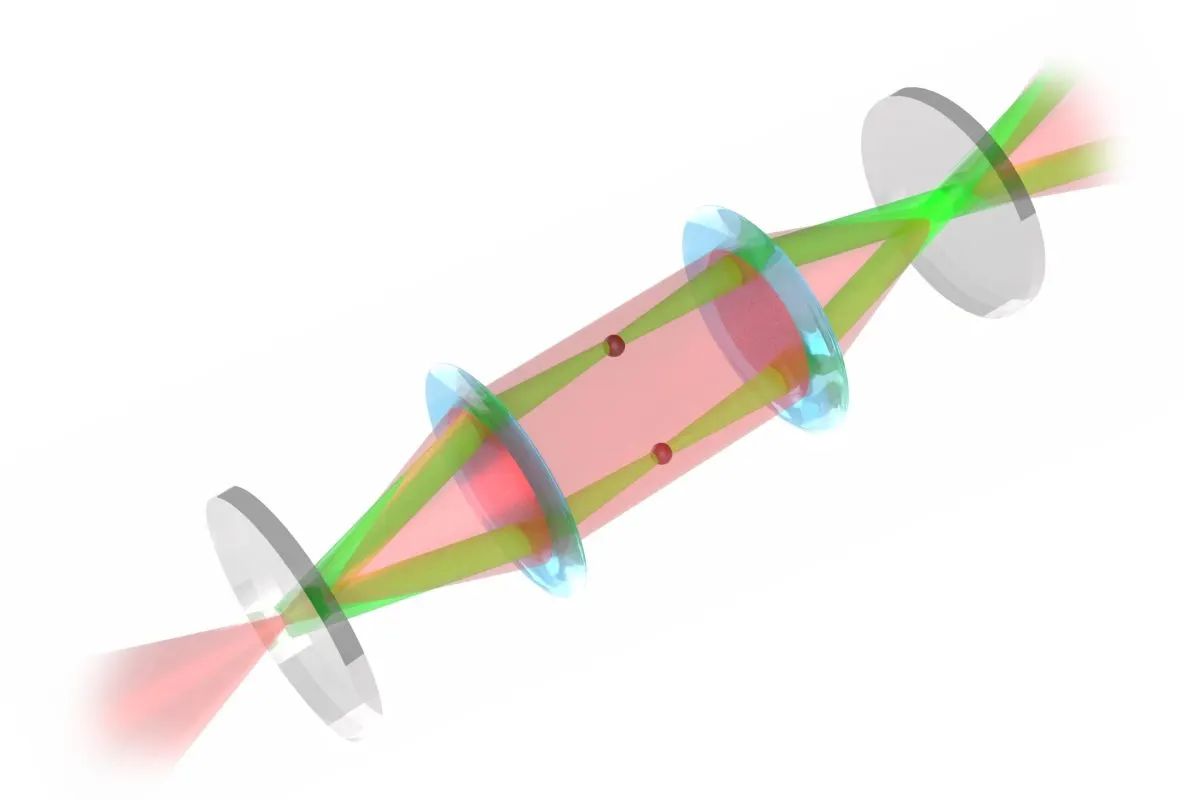
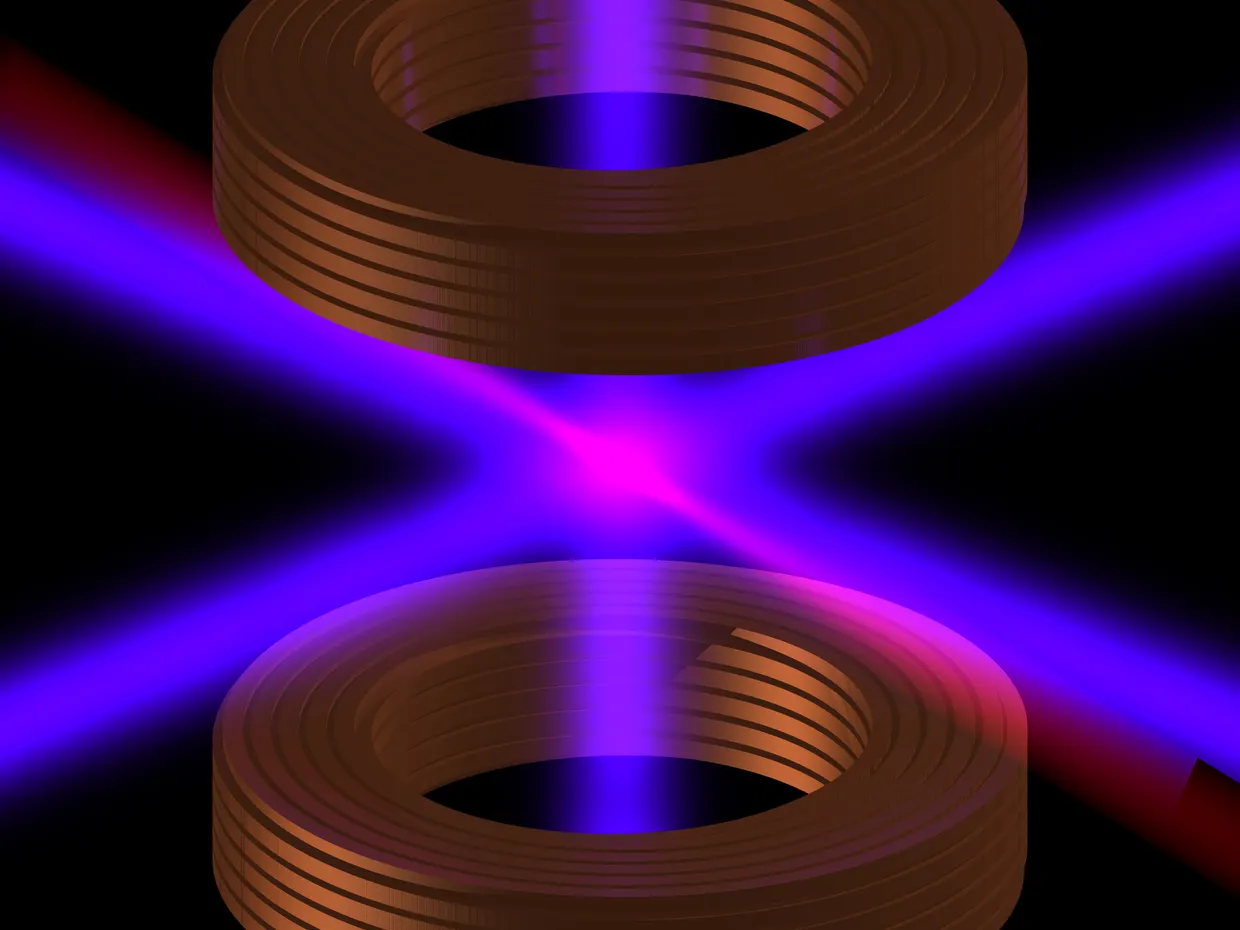
Microgravity allowed the team to create and control a Bose–Einstein condensate, a state in which atoms behave as a single quantum wave. Cooling started with laser cooling and evaporative cooling, which removed the hottest atoms from the system. The condensate was then placed in an optical trap and released gradually to minimize the energy that drives its expansion after release.
By tracking the growth of the cloud in three dimensions, the researchers calculated the temperature equivalent of the system. tech.wp.pl
tech.wp.pltech.wp.plOpen source ↗ They estimated the measurement uncertainty at 7.0 to 12.9 picokelvin. The publication stresses that such a condensate is a versatile platform for further studies and quantum simulations.
The team plans to use even larger traps that allow observation of more atoms. It also considers building an atom interferometer to test fundamental principles of physics, for example the equivalence of accelerations of different bodies in a gravitational field.