Natural History Museum describes Paludohadros, a 5-metre dinosaur from the Weald Clay of England
Bones taken from a clay pit in 2001 belong to a previously unknown early-diverging hadrosauroid that lived 125 million years ago in southern England.
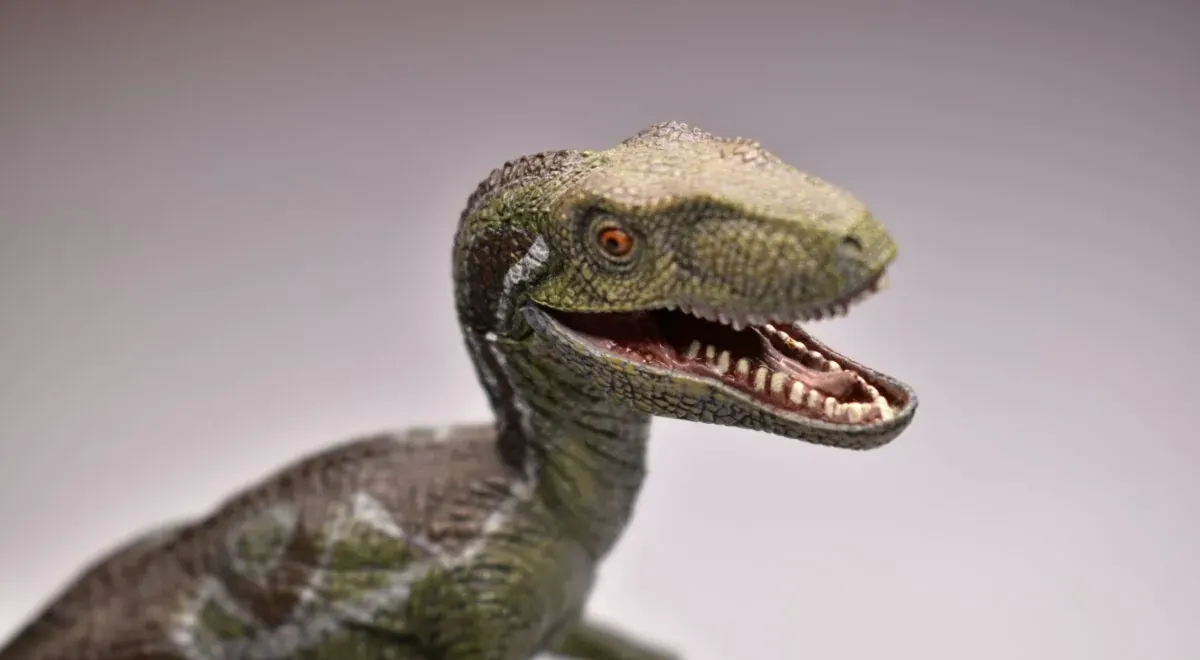
Paleontologists at the Natural History Museum in London described Paludohadros proudlovii, a new genus and species of early-diverging hadrosauroid dinosaur, on 26 October 2026 in the Journal of Systematic Palaeontology tandfonline.com
Journal of Systematic Palaeontologytandfonline.comOpen source ↗. The animal was a herbivore about 5 metres long that lived 125 million years ago in what is now southern England. Its bones were extracted in 2001 from a clay pit at Smokejacks Brickworks in Surrey, and the species remained unidentified until now.
Anatomy and age of the specimen
The authors diagnose the taxon by a combination of features. Dentary teeth carry two secondary ridges and a variable number of accessory ridges on the lingual surface of the crown. The surangular has a dorsally projecting lateral process that is offset laterally from the dorsal surface of the anterior process.
The humerus has a ridge extending proximally on the anteromedial surface of the distal condyle. The ischium has a posteroventrally curved shaft and a well-developed ischial boot, and the tibia has bosses on the medial and lateral surfaces near the proximal end.
The studied individual was a sub-adult weighing 1.5 to 2 tonnes, according to the museum. The genus name derives from the Latin "palus", a reference to the wetlands where the animal lived. Doctoral student Ricardo Sacamoto carried out the taxonomic analysis under the supervision of Susannah Maidment, comparing each bone with specimens already classified in the museum's collections. The thesis was completed between the museum and the University of São Paulo.
Place among Wealden iguanodontians
Iguanodontians from the Weald Sub-basin have long been known from older Valanginian strata, represented by Barilium dawsoni, Hypselospinus fittoni and Kukufeldia tilgatensis. Paludohadros comes from the Barremian and is the only valid iguanodontian taxon from the Barremian Weald Clay Formation reported so far tandfonline.com
Journal of Systematic Palaeontologytandfonline.comOpen source ↗.
The iguanodontians of the Wessex Formation of the Isle of Wight are broadly contemporaneous but belong to different taxa. The authors note that this raises the possibility that the Wessex and Weald Clay formations were deposited at slightly different times.
The same site yielded the predator Baryonyx walkeri in 1983. The remains of a young iguanodontian were found in its last meal, and both animals shared the same marshes. The species is named after Will Proudlove, a former site manager who died at the age of 35 and had made sure the fragments reached the museum. According to the museum, fossils extracted from the 1950s onward also belong to Paludohadros.