Memorial Sloan Kettering finds DHRS7 gene controlling gut-protective 5-oxoETE signal in zebrafish
The enzyme gene sought since 1992 regulates a lipid signal that recruits white blood cells and protects tissue. Data come from zebrafish and Caco-2 cells; patient data are pending.
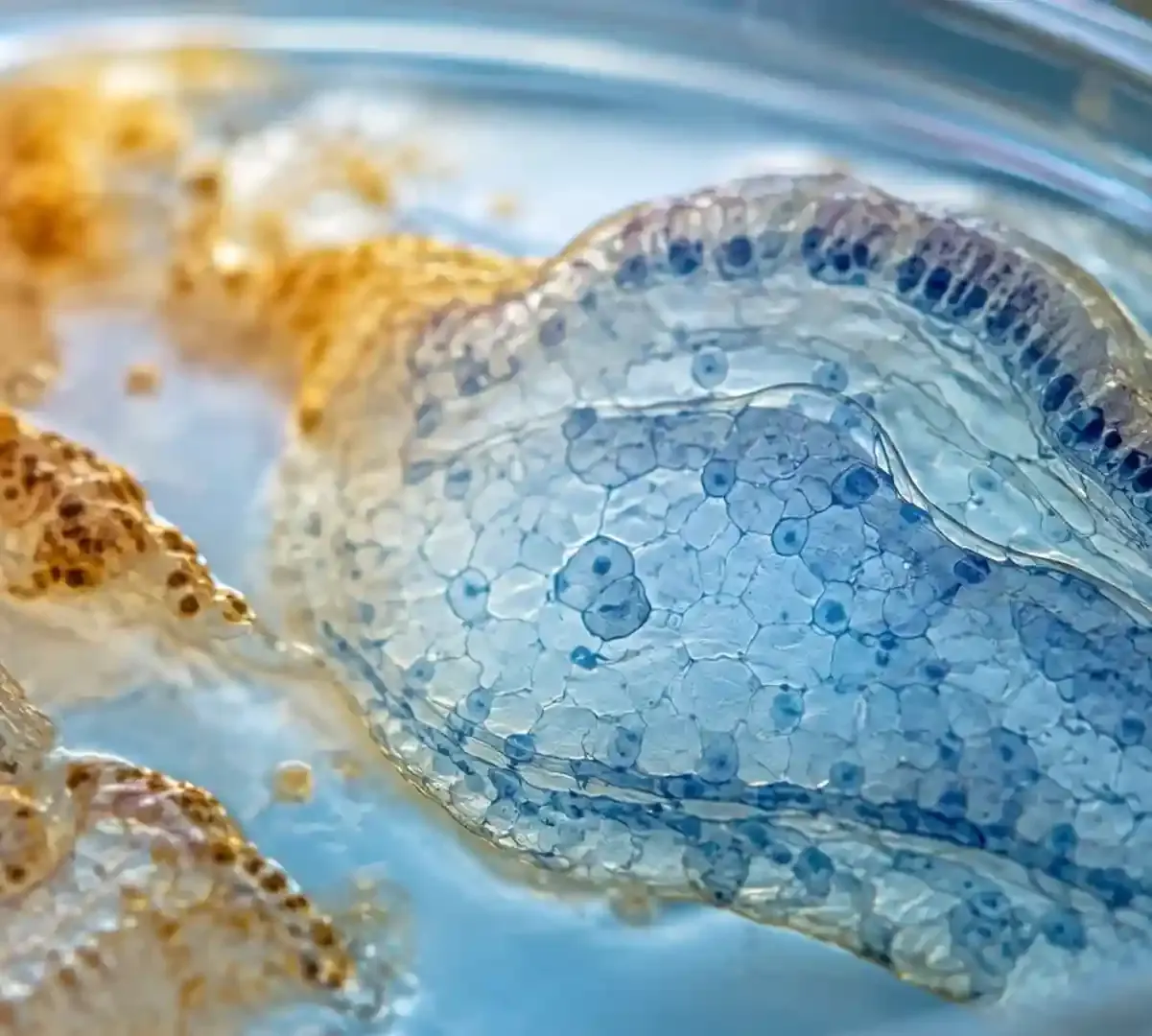
A team at Memorial Sloan Kettering Cancer Center (MSK) has identified the gene DHRS7 as the genetic blueprint of an enzyme that researchers had been looking for since 1992, according to dnv-media.de. The study was published in Nature on 7 October 2026. Its first authors are Yanan Ma and Miklós Lengyel, with Philipp Niethammer also taking part, and it builds on earlier findings by King Lam Hui. dnv-media.de
dnv-media.dednv-media.deOpen source ↗
DHRS7 and the 5-oxoETE signal
DHRS7 regulates the lipid molecule 5-oxoETE, a strong attractant for white blood cells. The researchers report that the signal has a dual function: it recruits immune cells to the site of inflammation and at the same time prevents damage to the surrounding healthy tissue.
The enzyme's activity depends on the cell's redox state. Under oxidative stress it promotes production of 5-oxoETE, which activates the receptor OXER1 and attracts white blood cells. Under normal conditions it favors breakdown of the messenger. The direction of the reaction is set by the cellular NADP+/NADPH ratio.
Zebrafish and human cell data
Mice and rats have no known binding site for 5-oxoETE, so the team used zebrafish. When either the receptor or the DHRS7 gene was disabled, the animals developed spontaneous intestinal inflammation without infection. Fish lacking hcar1-4, the functional OXER1 equivalent, showed programmed cell death, disruption of the tissue barrier and microbe-associated flares of inflammation. Reducing neutrophils did not stop it. dnv-media.de
dnv-media.dednv-media.deOpen source ↗
According to the data, the tissue protection is mediated by NUDIX hydrolases, which counter harmful chemical stress from gut bacteria. In human Caco-2 cells, pretreatment with 5-oxoETE raised NUDT1 expression and reduced cell death caused by hydrogen peroxide. When NUDT1 was knocked down, the protective effect disappeared. Expressing human NUDT1 or zebrafish Nudt15 returned neutrophil accumulation in the gut epithelium to control levels.
Lower 5-oxoETE concentrations in gut tissue are associated with worse disease courses in inflammatory bowel disease. Mutations in DHRS7 and OXER1 were found in tumors of the gastrointestinal tract and uterus, and OXER1 changes correlate with worse outcomes in colon, pancreatic and kidney cancer. The authors name inflammatory bowel disease, asthma and cancers as potential areas of application. Targeted activation of the pathway in humans remains a hypothesis, and evidence from patients is lacking. The same applies to using the mechanism against damage from radiation or chemotherapy.
Separately, the OXE antagonist S-Y048, for which a patent application exists, inhibited the signal in human neutrophils at about 20 picomolar. After oral dosing, its half-life in the blood of cynomolgus monkeys was about 7.5 hours. In a 2021 study on twelve rhesus monkeys exposed to house dust mites, it lowered eosinophils in lung lavage fluid by 52 percent, neutrophils by 77 percent and bronchial mucin cells by about 40 percent. dnv-media.de
dnv-media.dednv-media.deOpen source ↗