24-Hour Fasting and Akkermansia Bacterium Aid Intestinal Recovery After Radiation
Research shows that fasting enhances gut recovery from radiation damage, with Akkermansia muciniphila playing a crucial role.
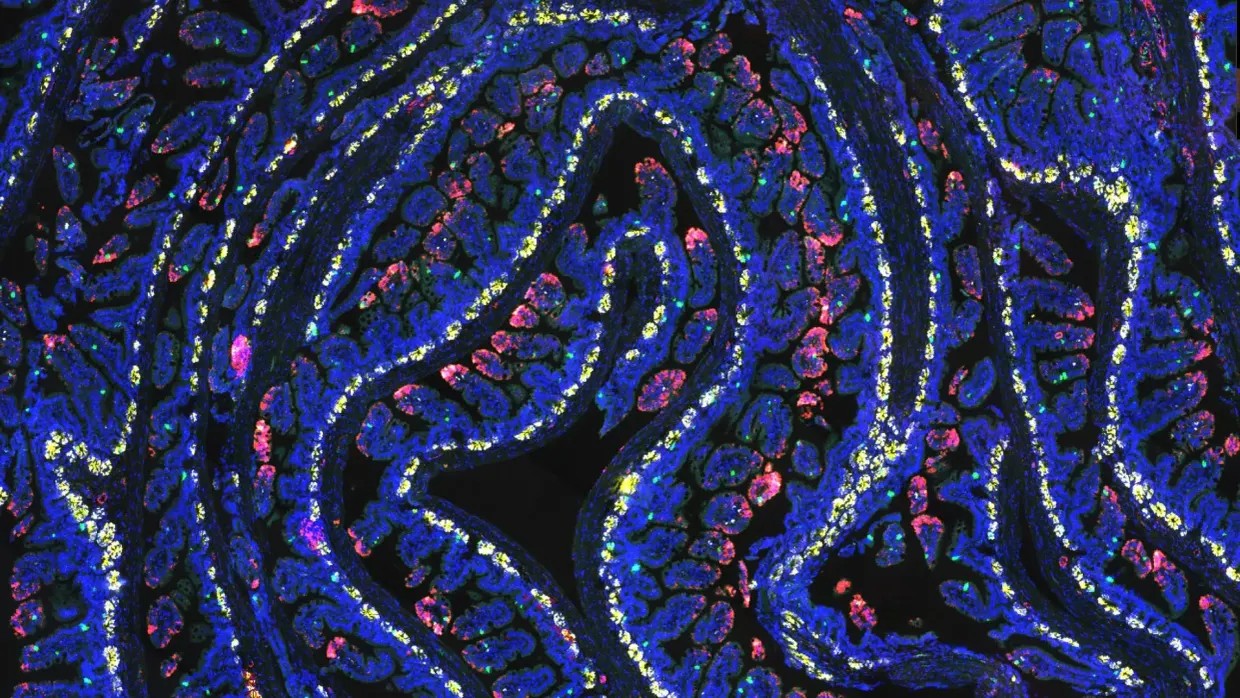
A recent study from The University of Texas MD Anderson Cancer Center reveals that a 24-hour fast may help prepare the intestines for recovery from radiation damage. The research, published in the Proceedings of the National Academy of Sciences, highlights the significant role of the gut bacterium Akkermansia muciniphila in this process.
Radiation therapy is commonly used to treat various cancers, including pancreatic, colorectal, and gynecological cancers. However, it can also harm nearby healthy tissues, particularly the small intestine, which is sensitive to radiation exposure. Damage to the intestinal lining can lead to severe complications, including nausea, diarrhea, and infections, which may limit treatment options.
The study found that fasting for 24 hours increased the abundance of Akkermansia muciniphila in the small intestine. This bacterium produces propionate, a substance that, along with other metabolic changes from fasting, modifies histones—proteins that package DNA within cells. These modifications make DNA regions associated with tissue regeneration more accessible, allowing intestinal cells to prepare for potential injury.
Researchers tested the importance of Akkermansia by selectively removing it from the intestine, which eliminated the regenerative benefits of fasting. The protective response was restored only when the bacterium was reintroduced alongside fasting, indicating that both components are necessary for the observed effects.
While the findings are promising, they remain preclinical, necessitating further research to determine if similar mechanisms can be activated in humans. Future studies may explore whether beneficial bacteria or their metabolites can stimulate recovery without requiring fasting, potentially improving outcomes for patients undergoing radiation therapy.