Candidozyma auris resistant to all four antifungal classes isolated from a patient in Nairobi, Kenya
Researchers in Kenya described a pan-drug-resistant Candidozyma auris isolate from a hospitalized 28-year-old, the second such case worldwide. It is a single-patient case report.
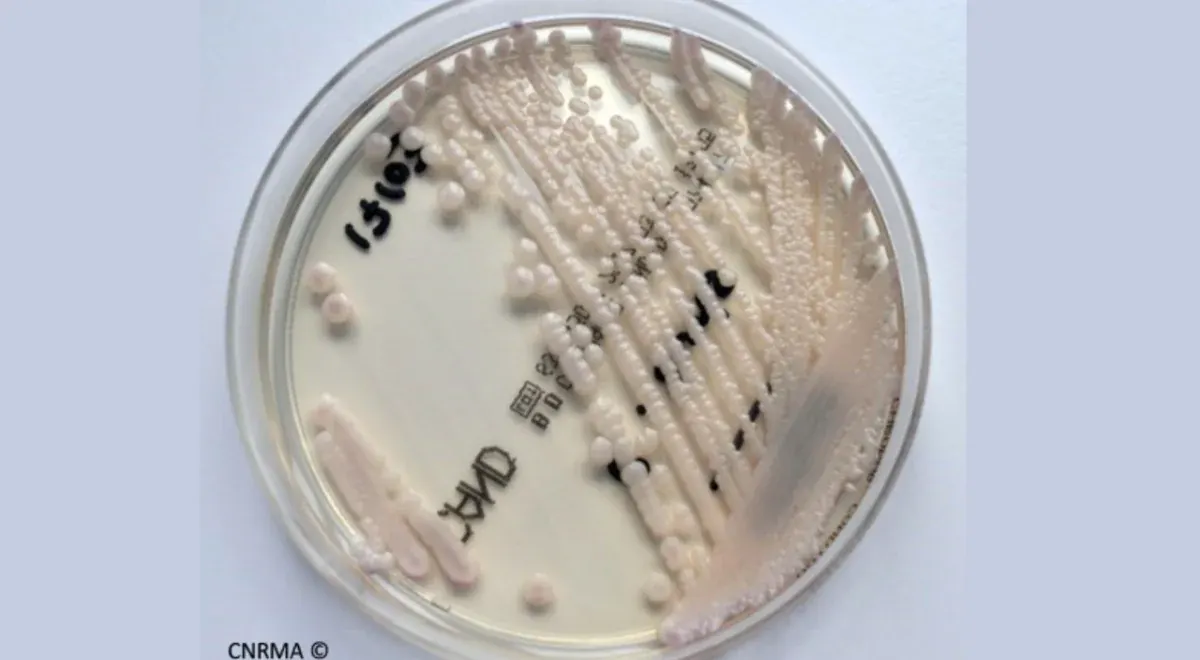
Researchers in Kenya have described a pan-drug-resistant isolate of Candidozyma auris, formerly Candida auris, from a 28-year-old inpatient in Nairobi who developed a hospital-acquired surgical site infection. The report by Erick Odoyo, Collins Kigen and colleagues was published in Scientific Reports nature.com
Scientific Reportsnature.comOpen source ↗. The isolate was resistant to all four antifungal classes. Only one such isolate had been described before, from a single patient in New York in 2022.
Resistance profile and genome
The isolate was identified and tested with VITEK 2. Minimum inhibitory concentrations were ≥ 64 mg/L for fluconazole, above 8 mg/L for micafungin, 2 mg/L for amphotericin B and ≥ 64 mg/L for flucytosine. Between February and October 2025 the patient had already received three of these antifungals, along with about ten antibiotics.
Whole-genome sequencing on Illumina NextSeq 1000, with variant analysis against reference strain B8441, placed the isolate in Clade I. It carried the mutations ERG11 Y132F, CDR1 E709D and FKS1 S639F, and a stop-gain mutation in FUR1. According to the authors, two of the alterations had not been reported before and affect genes linked to flucytosine response. Nothing in the genome explains the amphotericin B resistance; the authors suggest a modified membrane or a protective film around the cells.
Context and limits
The Kenyan and New York isolates carry different mutations, which the authors take as a sign that each developed resistance independently. They do not rule out import from an unidentified source, because the patient's travel history is not available. This is a report of one case, so it does not measure how common such strains are. Treatment doses and durations, and the patient's outcome, are not given. The role of the FCY1 variant still needs functional experiments.
C. auris is on the WHO list of high-priority fungal pathogens because of hospital transmission, persistence in the environment and multidrug resistance nature.com
Scientific Reportsnature.comOpen source ↗. Fanny Lanternier of the French national reference centre for invasive mycoses says invasive infections kill 30–50% of patients in some cohorts. In France, 122 cases have been recorded since 2007, 38 of them invasive infections, and about half were imported. Santé publique France states that no isolate tested in France is resistant to all classes, but acknowledges that a pan-resistant strain could be imported into a French healthcare facility. The Kenyan authors call for genomic surveillance, rapid diagnostics and careful use of antifungals.