Archaeologists describe 280 Palaeolithic engraved motifs in Cova de la Font Major cave, Catalonia
The motifs, including 55 animal figures, were recognised in 2019 among modern graffiti on a tourist route. Direct dating of the engravings is not yet available.
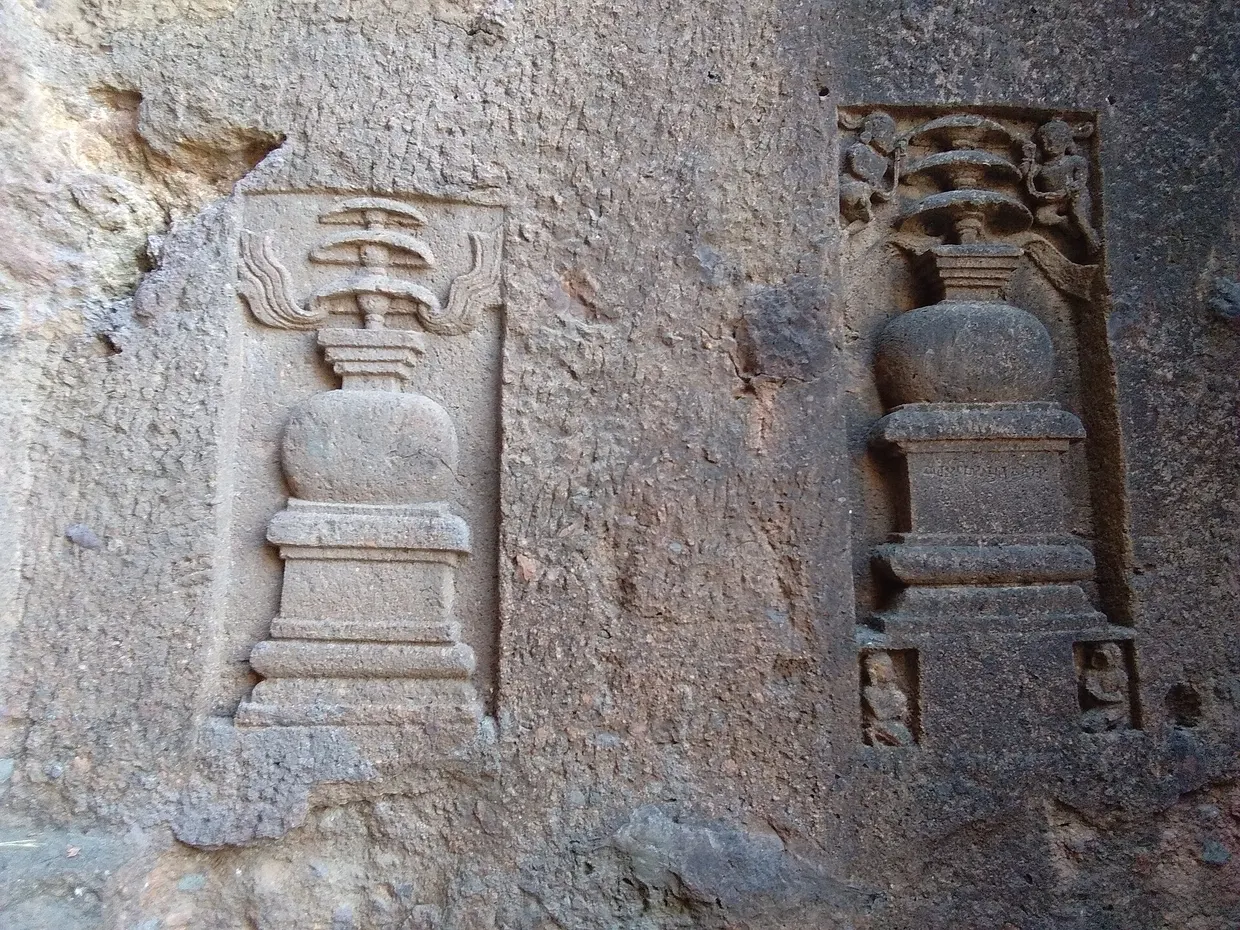
Spanish archaeologists have published a detailed description of a Palaeolithic rock art assemblage in Cova de la Font Major, in Espluga de Francolí, Catalonia, according to cambridge.org. The study, which appeared in the journal Antiquity on 5 November, records 280 motifs. Among them are 55 animal images, as well as groups of lines, geometric signs and compositions whose meaning is still unclear cambridge.org
cambridge.orgcambridge.orgOpen source ↗.
The first engravings were noticed on 30 October 2019, during an archaeological expedition, when one of the authors recognised ancient outlines among modern inscriptions. The main entrance of the cave was reopened in 1957, and since 1993 the section with the images has been part of a tourist route. Visitors walked past the figures for decades, and some left their names and dates over them.
Cave setting and the engraved figures
The cave lies at 410 m above sea level and belongs to the Coves de l'Espluga karst system, where 3590 m of galleries have been explored and mapped. Its entrance collapsed, probably in the Roman period, and exploration resumed only in 1853. The images are concentrated about 250 m from the entrance, in the Gatoneres de Cal Palletes.
Most of the walls are uneven conglomerate with non-uniform colour. The engravings were found on soft marl layers between the beds of this rock. They are easily damaged even by touch, and in most of the studied sectors the ancient lines are covered by graffiti or worn away by visitors.
The researchers used digital imaging and three-dimensional models to study the grooves without touching the surface. They identified horses, deer, bovids and goats. A bear is shown with ears seen from the front and a slightly open mouth. In places the natural relief may have been part of the composition: for one horse the boundary between rock layers looks like a ground line, and on a deer a crack crosses the muzzle. The authors regard the idea that it marked ground or water as a hypothesis.
Age and regional context
There are no direct dates for the engravings yet. People visited the deep part of the cave about 41–35 thousand years ago and about 26 thousand years ago, but these are the ages of other finds, not of the images. By style and archaeological context, a significant part of the figures may be older than 19 thousand years. The authors plan to refine the age using calcite deposits that cover one of the figures.
Until the 2019 find, only two cave images tentatively attributed to the Palaeolithic were known in all of Catalonia. One was a painted bovid in Cova del Tendo, stolen shortly after its discovery. The other was an incomplete figure in Cova de la Taverna, whose human origin remains uncertain. By the number of animal images, Font Major now ranks third among Palaeolithic cave assemblages of the Mediterranean Iberian Peninsula, behind Ardales and La Pileta in Andalusia cambridge.org
cambridge.orgcambridge.orgOpen source ↗.