Parícutin volcano in Mexico erupted from a cornfield, reaching 1,391 feet
In 1943, a fissure opened in a farmer's field in Mexico, leading to the eruption of Parícutin volcano, which buried two villages over nine years.
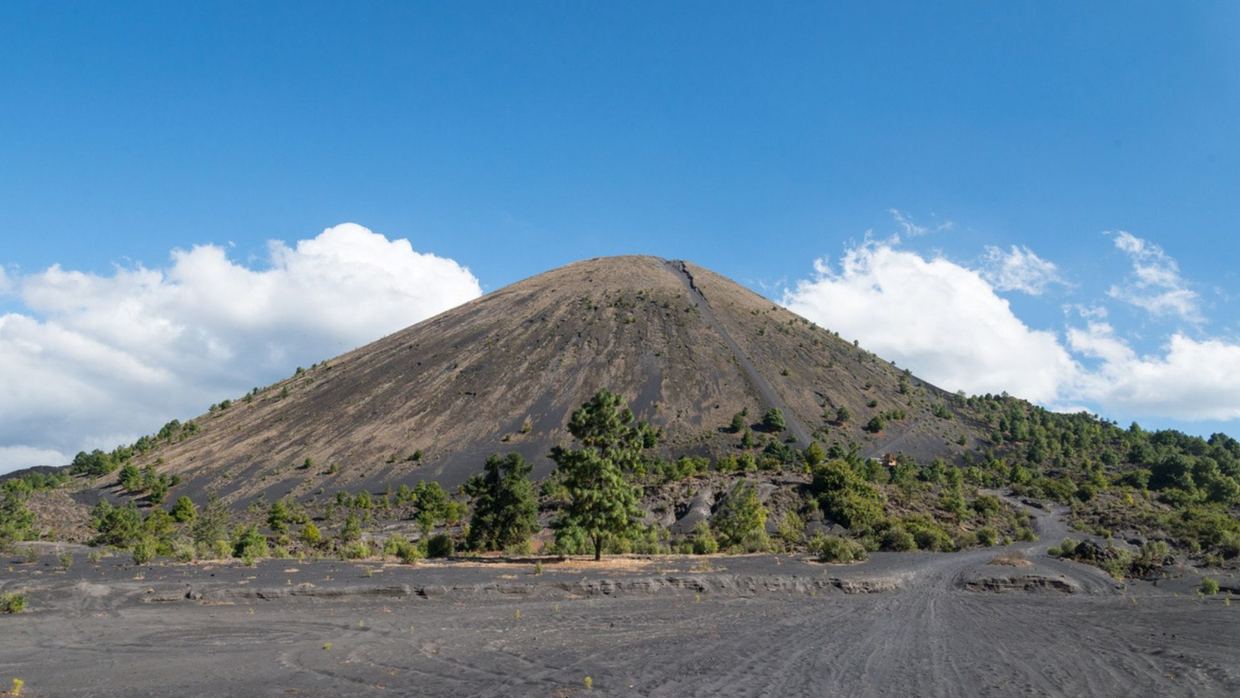
In 1943, a farmer named Dionisio Pulido witnessed the eruption of Parícutin volcano from his cornfield in Michoacán, Mexico. The eruption began on February 20, 1943, when a fissure opened in his field, releasing smoke and sulfuric odors. Within a week, the cone had grown to over 490 feet (150 meters) tall. By the time the eruption concluded in 1952, the volcano had reached a height of 1,391 feet (424 meters) above the original cornfield where it started. This event buried two villages and marked the first time modern scientists observed a volcano's eruption from its inception, according to the International Union of Geological Sciences (IUGS).
Eruption Details
Starting around February 5 to 7, 1943, local residents experienced approximately two weeks of earthquake activity before the eruption. Pulido reported that tremors intensified, with over 200 recorded in a single day. On the day of the eruption, Pulido was preparing his fields for spring sowing when he noticed the ground swell and heard a loud whistle. He quickly left to warn his family. The eruption produced a significant ash plume, and by midnight, the cone had already reached about 20 feet (6 meters) in height. The first lava flow, known as the Quitzocho flow, advanced at a rate of about 10 feet (3 meters) per hour, covering cornfields and leading to the evacuation of nearby villages.
Impact and Legacy
The eruption of Parícutin was a significant geological event, providing scientists with a unique opportunity to study a monogenetic volcanic cone throughout its life cycle. The lava flows extended up to 2.5 miles (4 kilometers) from the vent, creating a field of approximately 9.7 square miles (25 square kilometers). Displaced residents were relocated to new land in Caltzontzín, 17 miles (27 kilometers) away. Parícutin remains a well-documented case of volcanic activity, with ongoing studies of its geological impact and the precursory earthquakes that preceded the eruption. The information was sourced from the Smithsonian Institution’s Global Volcanism Program.