UC Riverside identified sex differences in adipose eosinophils in mice
Biomedical scientists identified distinct eosinophil subsets in mice that explain why males and females handle obesity differently.
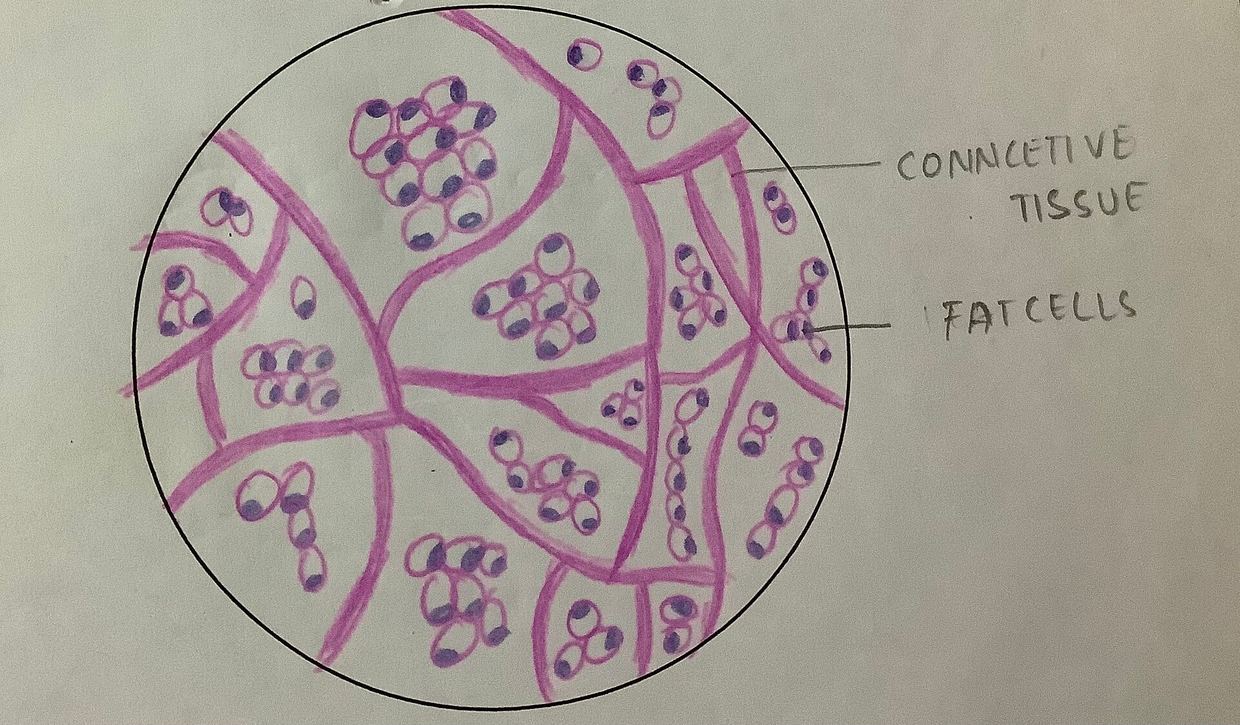
Scientists from the University of California, Riverside, led by Meera Nair and Adam Godzik, have identified differences in how immune cell populations in fat tissue respond to obesity between male and female mice, news.ucr.edu reported ucr.edu
news.ucr.edunews.ucr.eduOpen source ↗. Publishing their results in PNAS Nexus, the researchers used single-cell sequencing to analyze adipose tissue and discovered six distinct populations of eosinophils, each exhibiting unique gene expression patterns and functions
ucr.edu
news.ucr.edunews.ucr.eduOpen source ↗.
Cellular heterogeneity and sex differences
Historically associated primarily with asthma and allergic responses, eosinophils in adipose tissue were previously regarded as relatively uniform cells. The team established that the response to obesity involves distinct functional subsets rather than overall cell abundance ucr.edu
news.ucr.edunews.ucr.eduOpen source ↗. In female mice, researchers detected a protective subset of eosinophils that engaged in active communication with adipose macrophages, helping to sustain metabolic health
ucr.edu
news.ucr.edunews.ucr.eduOpen source ↗. In contrast, male mice maintained on a high-fat diet predominantly developed pro-inflammatory eosinophil populations displaying a less protective genetic profile
ucr.edu
news.ucr.edunews.ucr.eduOpen source ↗.
Signaling pathways and organoid modeling
The study determined that RELM alpha, a protein secreted by macrophages, stabilizes the regulatory signaling network between macrophages and eosinophils in female mice ucr.edu
news.ucr.edunews.ucr.eduOpen source ↗. Prior laboratory tests revealed that introducing RELM alpha produced protective metabolic effects in animal models
ucr.edu
news.ucr.edunews.ucr.eduOpen source ↗. Because identical therapies targeting the immune system may trigger distinct biological cascades depending on sex, the researchers stressed the need to study sex-specific immunology before designing targeted therapies
ucr.edu
news.ucr.edunews.ucr.eduOpen source ↗.
To bridge the gap between rodent biology and human medicine, the researchers are constructing three-dimensional adipose organoids ucr.edu
news.ucr.edunews.ucr.eduOpen source ↗. These in vitro human fat structures will serve as experimental platforms to examine interactions between eosinophils and adipose cells and test whether immune cell signaling can be directed to promote metabolic protection
ucr.edu
news.ucr.edunews.ucr.eduOpen source ↗.