UC Santa Cruz researchers discover E2F1's shortcut mechanism in cell division
A study reveals how the E2F1 gene influences cell division, potentially impacting cancer treatment strategies.
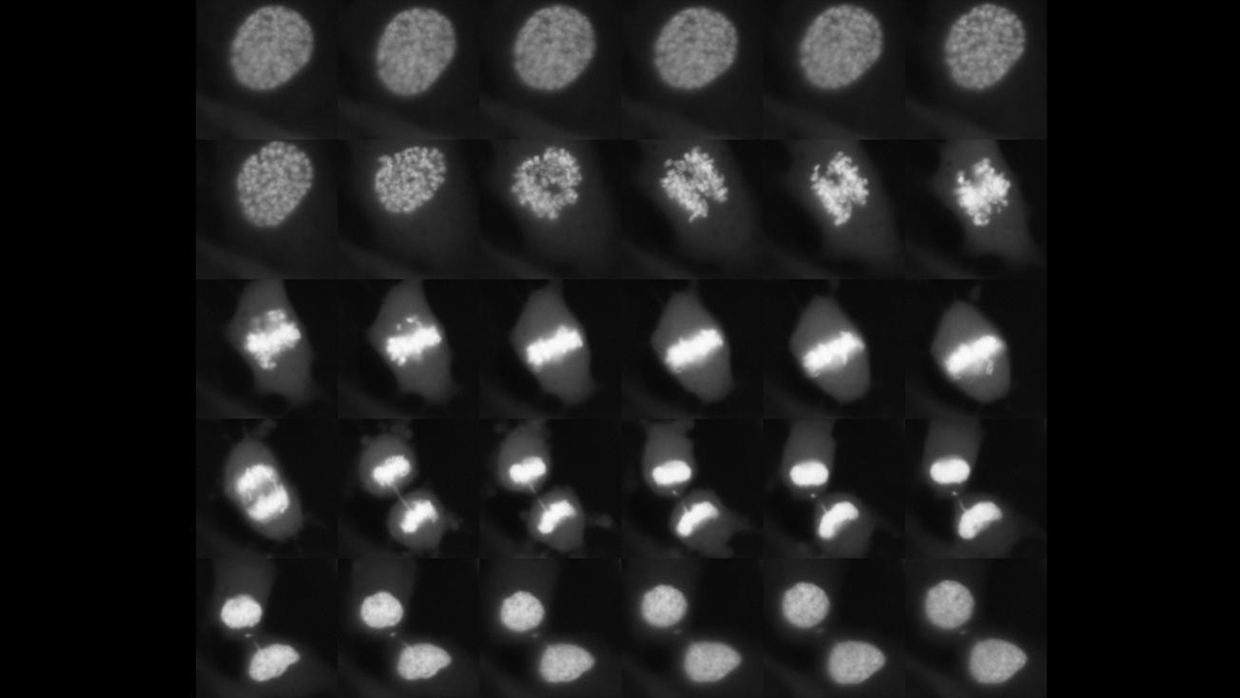
Researchers at the University of California, Santa Cruz, have uncovered a novel mechanism by which the E2F1 gene influences cell division, as detailed in a study published in The EMBO Journal. This gene, often affected in various cancers, allows cells to divide without following the conventional rules of cell division, which is crucial for tissue development and recovery from injuries or illnesses.
The study highlights that E2F1 can bind directly to a compact region of DNA, bypassing the need to unpack genetic material. This shortcut method enables cells to activate division genes more rapidly than traditional processes that require growth signals. The findings suggest that understanding E2F1's role could lead to more targeted cancer treatments.
The research team, led by Associate Professor Ali Shariati and Professor Seth Rubin, focused on how cells determine when to divide. They found that while most cells remain in a dormant state, they can be prompted to divide by external signals. E2F1's ability to activate cell division without unpacking DNA indicates a new pathway for transcription factors to influence cellular fate.
Interestingly, the researchers noted that cells can only divide a limited number of times using this shortcut method—up to three divisions without additional growth signals. This limitation raises questions about how cancer cells might exploit E2F1's activity to bypass normal regulatory mechanisms, potentially leading to uncontrolled proliferation.
Future research will aim to further elucidate how E2F1 activates genes after binding to DNA, which could inform strategies for targeting this pathway in cancer therapies. The team is also investigating related genes that may influence cell dormancy and their implications in cancer progression.