Study Shows Early Swimming Lessons Accelerate Child Development by up to 18 Months
A four-year study by the University of Canberra indicates that early aquatic education advances cognitive, linguistic, and motor milestones in children under five.
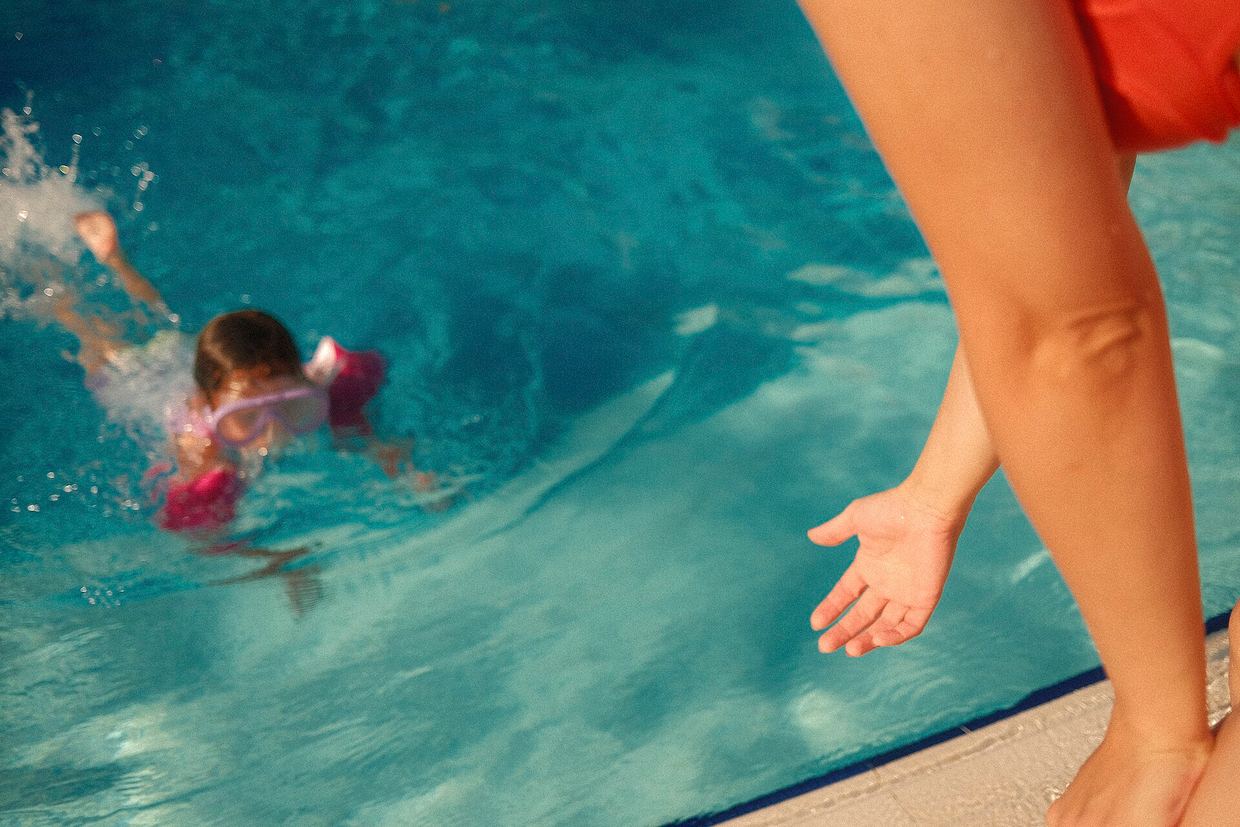
A four-year international study led by Robyn Jorgensen, Emeritus Professor at the University of Canberra in Australia, demonstrates that structured swimming lessons accelerate developmental milestones in children under five years of age, according to findings published in Routledge eBooks doi.org
Routledge eBooksdoi.orgOpen source ↗. The research evaluated nearly 7,000 survey respondents alongside standardized individual testing of 177 children. Participants were found to achieve milestones in literacy, numeracy, language skills, and following instructions between 5 and 18 months ahead of standard international benchmarks
doi.org
Routledge eBooksdoi.orgOpen source ↗.
Assessment of Cognitive and Motor Milestones
To benchmark developmental indicators, the researchers utilized standardized testing instruments, specifically the Peabody Developmental Motor Scales and the Woodcock-Johnson III assessments doi.org
Routledge eBooksdoi.orgOpen source ↗. These evaluation tools were normed against national census reference data to measure performance against the broader population. The recorded advantages in cognitive development, emotional regulation, and physical coordination persisted even after controlling for the socioeconomic background of the participating families
doi.org
Routledge eBooksdoi.orgOpen source ↗.
According to the author, these measurable developmental gains do not reflect innate differences in intelligence. Instead, the structured aquatic environment functions as a medium where children develop behavioral habits and fundamental skills transferable to an academic classroom doi.org
Routledge eBooksdoi.orgOpen source ↗. For instance, synchronized tasks such as counting kicking movements while interacting with an instructor reinforce number sequencing and one-to-one operational correspondence in young learners
doi.org
Routledge eBooksdoi.orgOpen source ↗.
Environmental Quality and Access Disparities
The study also examined the instructional factors of early aquatic programs, identifying specific teaching practices, program quality indicators, and swim school environments as primary drivers of these developmental outcomes doi.org
Routledge eBooksdoi.orgOpen source ↗. Drawing on Pierre Bourdieu's framework of social and cultural capital, the publication highlights that early aquatic education operates beyond simple water safety instruction
doi.org
Routledge eBooksdoi.orgOpen source ↗.
At the same time, the findings document severe socioeconomic and geographical barriers limiting access to quality programs. The analysis identifies the highest cost barriers in the United States and China, while families in countries such as Singapore, Australia, Brazil, and South Africa also experience substantial obstacles doi.org
Routledge eBooksdoi.orgOpen source ↗. Geographical isolation, particularly in rural farming communities, introduces logistical challenges alongside commercial tuition fees, resulting in lower participation rates among cohorts with the highest statistical drowning risks
doi.org
Routledge eBooksdoi.orgOpen source ↗.