NYU Langone: bedroom HEPA filters cut post-breakfast glucose by 17% in prediabetes trial
In a randomized trial of over 150 adults with prediabetes, a month of sleeping with real HEPA filters was linked to smaller daily glucose swings than with sham filters.
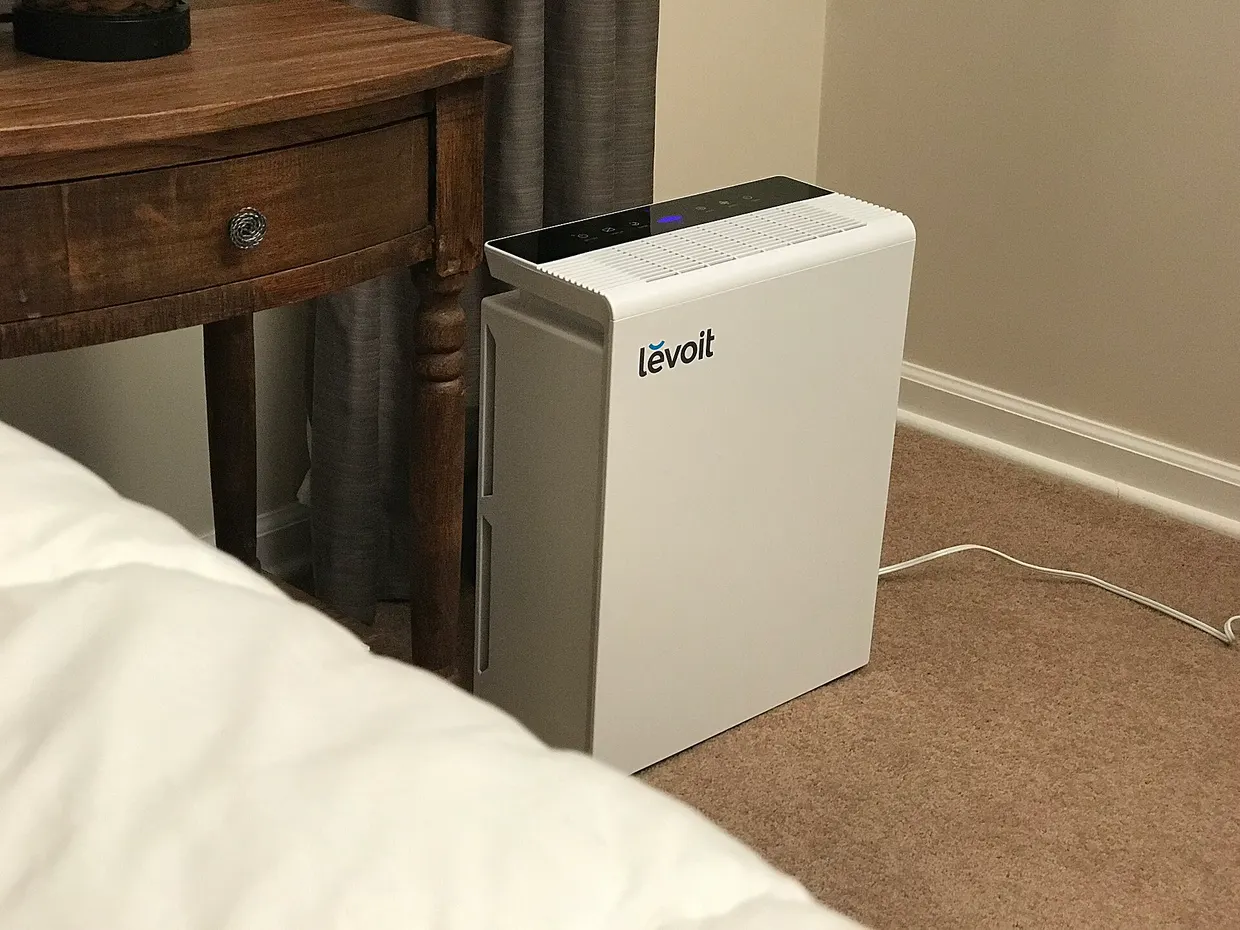
Researchers at NYU Langone Health reported results of a randomized, double-blind, sham-controlled trial of portable HEPA air filters in the bedrooms of people with prediabetes, according to a release published on EurekAlert on 8 November 2026 eurekalert.org
EurekAlerteurekalert.orgOpen source ↗. The study enrolled more than 150 men and women in New York City who had prediabetes and no known atherosclerosis. The results are to be presented on November 8 at the American Heart Association's Scientific Sessions.
Trial design and measurements
Half of the participants slept with real bedroom air filters for about a month, while the other half used sham filters that did not clean the air. The team measured indoor air pollution throughout the trial. Participants wore continuous glucose monitors, small sensors that record blood sugar every few minutes, for one week before filtration and again after four weeks of it.
The data were analyzed with statistical models that compared each participant's readings over time, accounting for age, sex and body mass index. According to the authors, this is the first test in humans of whether in-home HEPA filtration improves glucose control in adults with prediabetes.
Results and limits
The real filters reduced levels of fine airborne particles by 36 percent. This was linked to a nearly 8 percent drop in daily blood sugar swings and to smaller morning surges after breakfast eurekalert.org
EurekAlerteurekalert.orgOpen source ↗. The total extra glucose in the blood after breakfast fell by about 17 percent on average, and peak levels after breakfast decreased by 13 percent.
Study lead author Sharine L. Wittkopp said the findings suggest that cleaner air at home, especially in the bedroom, may help people with prediabetes keep blood sugar steadier and blunt morning spikes. Senior author Jonathan Newman cautioned that the results may not apply to people who already have diabetes or to those living in other regions of the US, where pollution differs in type and level.
The team plans longer studies to see whether air filtration can slow or stop the progression from prediabetes to diabetes, and whether it can reduce the risk of heart attack, stroke and other signs of cardiovascular-kidney-metabolic syndrome. According to the US Centers for Disease Control and Prevention, cited in the release, nearly half of US adults have prediabetes.