Miro1 protein linked to muscle insulin resistance in type 2 diabetes; exercise lowered it in a trial
Miro1 levels were higher in the muscles of people with type 2 diabetes. Removing it restored insulin response in preclinical models; targeting it in humans remains untested.
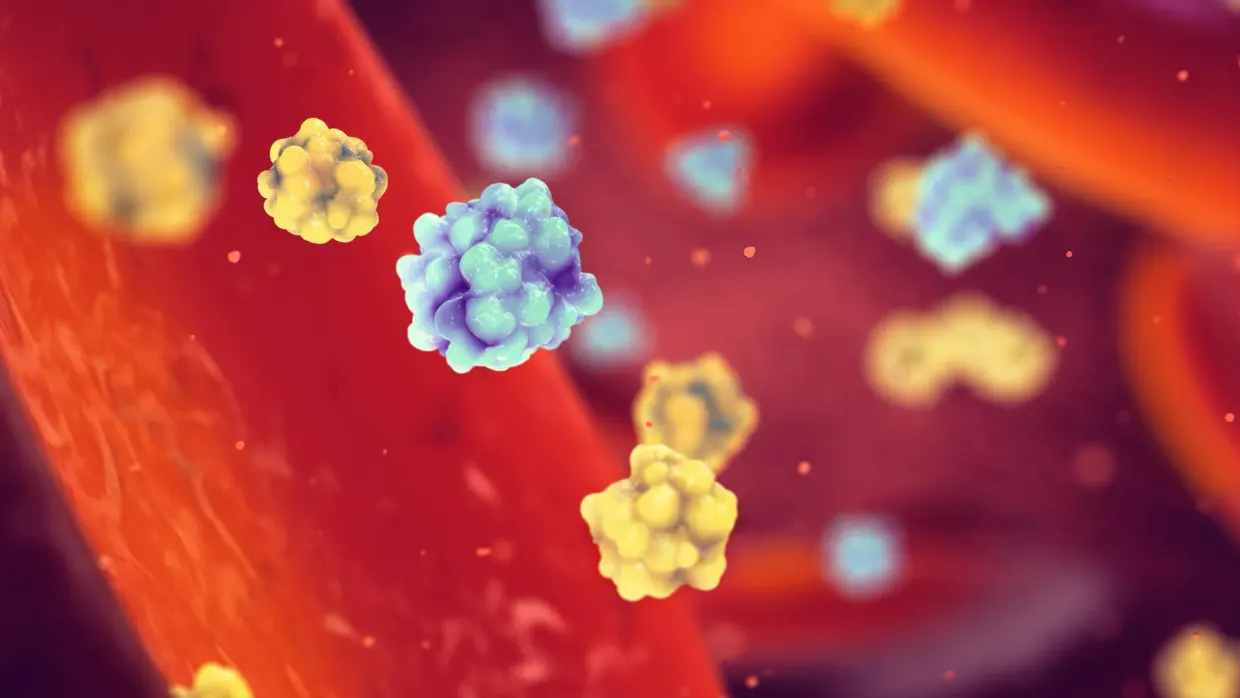
Researchers have identified the protein Miro1 as a possible contributor to insulin resistance in type 2 diabetes, according to sciencedaily.com. Miro1 was found at higher levels in the skeletal muscles of people with the disease. The findings were published in Nature Communications. sciencedaily.com
sciencedaily.comsciencedaily.comOpen source ↗
Miro1 (Mitochondrial Rho GTPase1) is located on the outer membrane of mitochondria, the cell structures that produce energy. The team studied it in laboratory cells, in preclinical models and in people with type 2 diabetes. The authors believe that an excess of the protein may interfere with the muscles' response to insulin and make blood sugar harder to regulate.
Miro1 and insulin response in muscle
Accumulation of Miro1 impaired the muscles' response to insulin. When the researchers removed the protein in preclinical models, insulin responsiveness returned, which, according to the authors, indicates a direct contribution of Miro1 to the process.
Senior author John P. Kirwan described Miro1 as a new therapeutic target. He carried out the work at the Pennington Biomedical Research Center at LSU and has since become executive director of the OU Health Harold Hamm Diabetes Center at the University of Oklahoma. The first author is doctoral candidate Elizabeth Heintz.
Exercise trial and open questions
The team also ran a randomized controlled trial in participants with obesity and type 2 diabetes, comparing aerobic exercise with standard medical care. In the exercise group, Miro1 levels in muscle declined. The change coincided with improved insulin sensitivity and a better capacity of the muscles to produce energy. sciencedaily.com
sciencedaily.comsciencedaily.comOpen source ↗
The authors suggest that lowering Miro1 may be one of the ways exercise improves the body's response to insulin. They also raise the possibility that treatments aimed at the protein could eventually add to the effect of physical activity.
It remains to be established whether directly targeting Miro1 can yield safe and effective treatments. Restoration of insulin response was shown only in preclinical models, while in people the trial recorded lower Miro1 levels after exercise together with improved insulin sensitivity. Kirwan plans to continue the work at the Harold Hamm Diabetes Center, combining laboratory experiments with studies in people.