Korea University: one freeze-thaw cycle removes 90–95% of polystyrene nanoplastics from water in lab tests
Korea University and Myongji University teams separated nanoplastics from water by freezing with d-limonene. Tests used 100 nm particles in the lab; wastewater trials are still ahead.
Researchers at Korea University and Myongji University have developed a process that removes nanoplastics from water by freezing and thawing, popcornnews.net reports. The group of Prof. An Dong-jun and Prof. Jeong Woo-hyuk announced it on the 9th; the paper appeared online on October 14 in Chemical Engineering Journal popcornnews.net
popcornnews.netpopcornnews.netOpen source ↗.
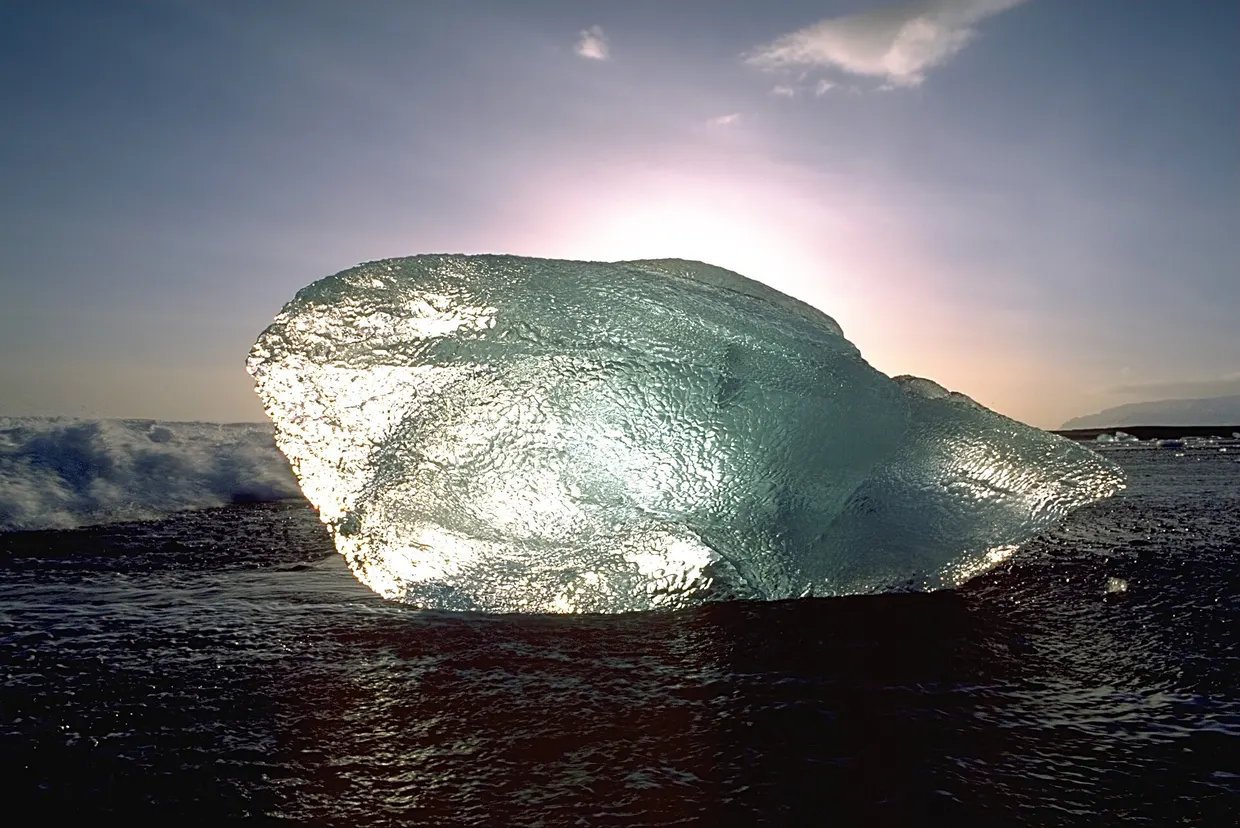
As water freezes, nanoplastic particles and d-limonene, a solvent extracted from citrus plants, are pushed into narrow unfrozen gaps between ice crystals and become concentrated. Contact between particles grows and they aggregate; the micrometer-scale aggregates stay bound after melting.
In tests with three types of 100 nm polystyrene particles with different surface properties, one freeze-thaw cycle cut particle numbers in water by 90–95%. The aggregates are less dense than water and float up on thawing, so they can be skimmed off without complex filtration. Next, the team plans to test real wastewater and improve solvent recovery and cooling energy efficiency.