KRISO gets approval in principle for a ship tank alternating liquid CO₂ and methanol cargo
Korea's KRISO received approval in principle from Korean Register for two technologies that let one ship carry liquid CO₂ and methanol in turn in the same tank, reducing empty return voyages.
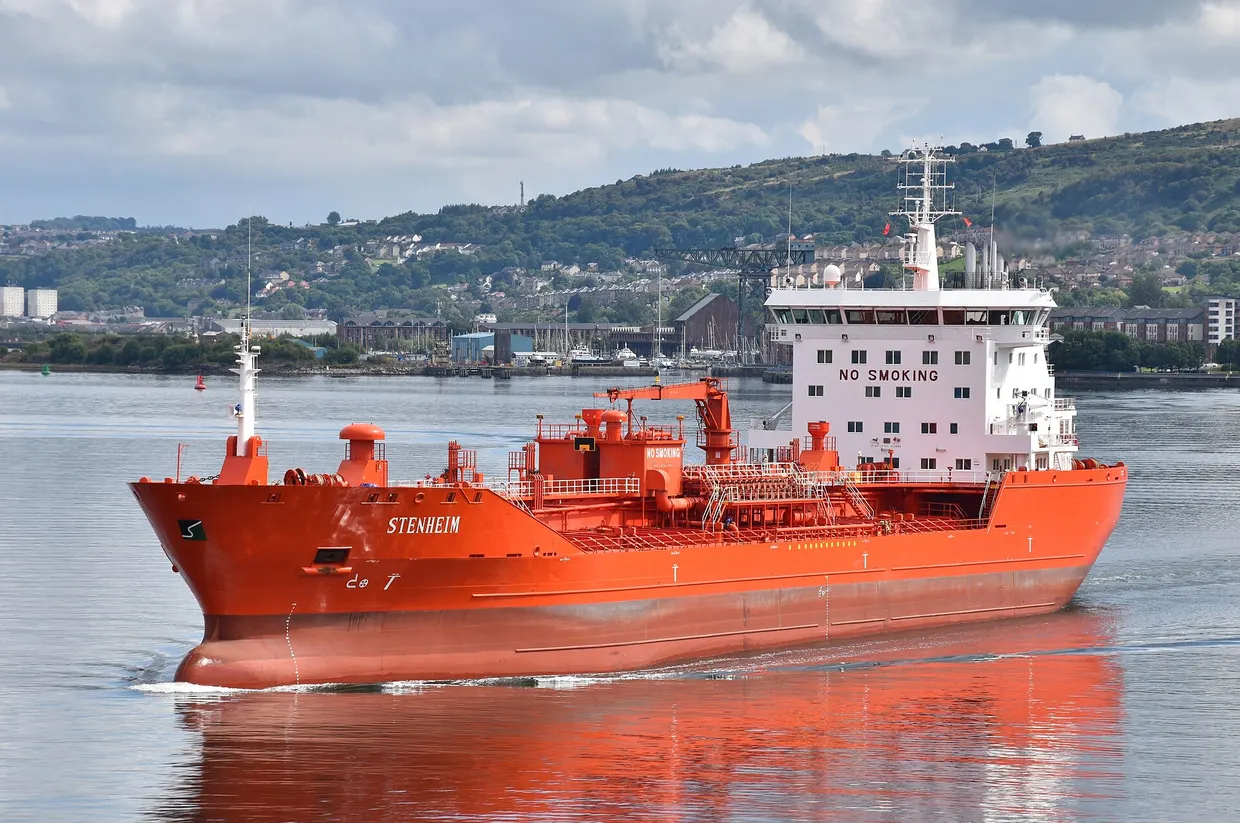
The Korea Research Institute of Ships and Ocean Engineering (KRISO) announced on 9 November that it received approval in principle (AiP) from Korean Register (KR) in two areas of dual-cargo shipping, according to biz.heraldcorp.com. The technology lets one vessel store and carry liquefied carbon dioxide (LCO₂) and methanol alternately in the same cargo tank. biz.heraldcorp.com
biz.heraldcorp.combiz.heraldcorp.comOpen source ↗
The approved items are a dual-cargo LCO₂/methanol cargo tank and an integrated cargo loading and unloading system. AiP is a procedure that reviews the technical feasibility and safety of a new technology or design and accepts the design concept in principle.
Why one ship for two cargoes
Until now, LCO₂ and methanol have had different storage and transport conditions, so each required its own carrier. As a result, a ship could sail empty after unloading one cargo without loading another.
The researchers built the concept around e-methanol, a fuel made from hydrogen produced with renewable energy and captured carbon dioxide. A ship delivers captured CO₂ to an e-methanol plant, then loads the methanol produced there and sails to its next destination. biz.heraldcorp.com
biz.heraldcorp.combiz.heraldcorp.comOpen source ↗
Tank and loading system design
The main difficulty is carrying two cargoes with different physical and chemical properties safely in one tank. LCO₂ stays liquid at low temperature and under pressure. Methanol is a flammable substance that stays liquid at ambient temperature and pressure. Alternating them requires control of temperature and pressure and safe handling during the changeover.
KRISO designed a cargo tank able to accommodate the different temperature and pressure conditions. It also developed an integrated loading and unloading system intended to minimize the time and energy used when switching cargoes.
The approval is reported to be the first in Korea and the second in the world for a technology that carries LCO₂ and methanol alternately. biz.heraldcorp.com
biz.heraldcorp.combiz.heraldcorp.comOpen source ↗
Next steps
KRISO plans to verify performance and safety through onshore demonstration tests starting in the second half of next year. In 2028 it intends to pursue third-party inspection and design approval.
KRISO Director Jeong Jong-jin said the shift to green shipping depends not only on new technologies but also on raising the efficiency of existing transport systems. He added that the institute will continue to develop technical alternatives for industrial use.