Shanghai institute's bubble-lubrication system cut tanker net energy use by about 5% in trial
A second-generation system that injects air under the hull cut net energy use by about 5% in a five-month trial on a product and chemical tanker, the developers reported.
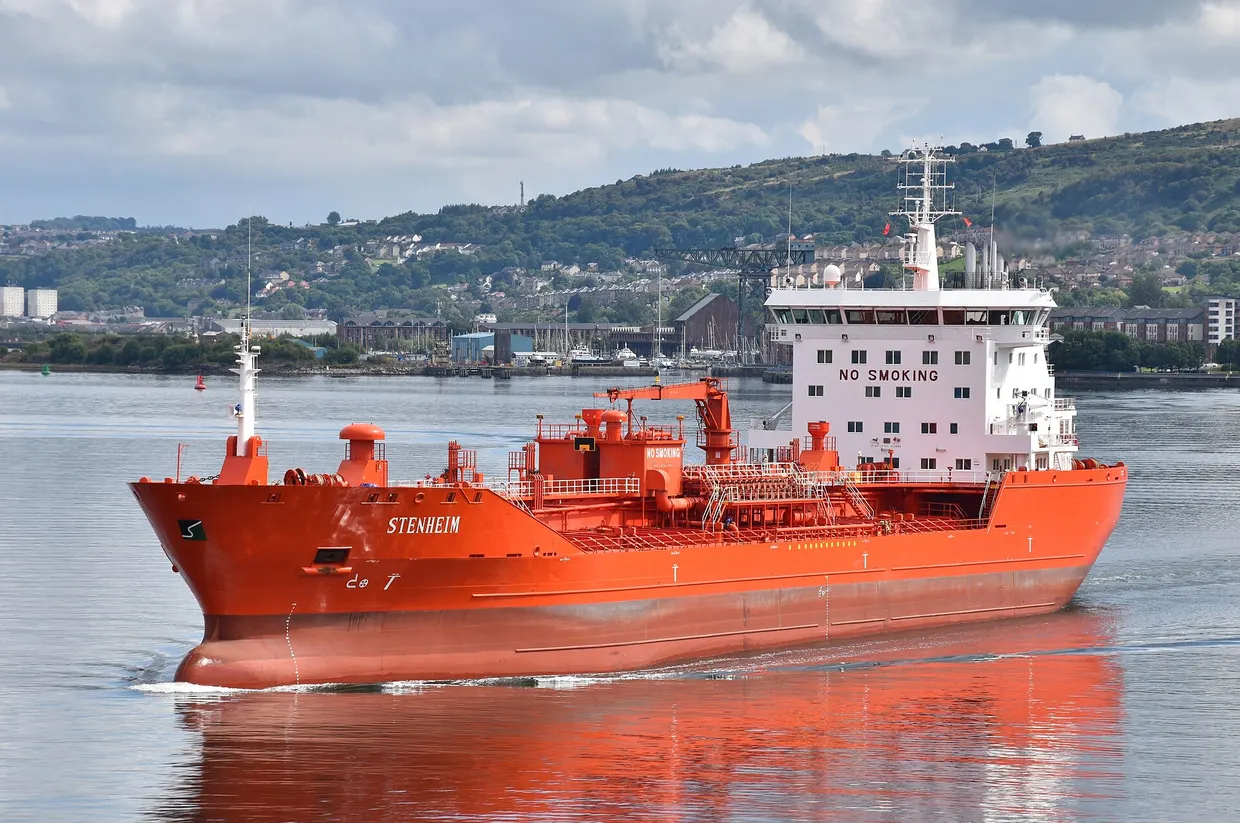
The Shanghai Merchant Ship Design and Research Institute has reported that a second-generation bubble-lubrication system reduced net energy consumption by about 5% during a five-month operational trial on a newly built product and chemical tanker, according to scmp.com scmp.com
scmp.comscmp.comOpen source ↗. The tanker has since entered service. The institute has not provided a detailed breakdown of the trial results.
How the bubble-lubrication system works
The system injects compressed air beneath the hull and forms a layer of microbubbles between the hull and seawater. This changes the flow of water near the hull surface and creates a gas-liquid mixture that lowers frictional resistance, so the ship may need less propulsion power to hold its speed. The approach is related to the drag-reduction principle of high-speed underwater projectiles, which travel inside a gas-filled cavity, but the ship system uses a different implementation.
The first version was tested in April 2022 on a 1,800-TEU feeder container ship, and development of the upgraded system began the following month. Engineers wanted to remove the earlier design's reliance on manual operation. The new version has an improved air-supply structure intended to reduce compressor power consumption, and a control system that adjusts the volume of air according to the vessel's speed and draught. A digital support system monitors and analyses energy efficiency in real time.
Net saving and fuel estimate
The 5% figure is a net value: it accounts for the electricity consumed by the compressors that supply the air scmp.com
scmp.comscmp.comOpen source ↗. The institute estimates that such a reduction could save roughly one metric ton of fuel per day on a tanker of this size. A separate retelling of the report gives an estimate of 1.1 tons per day for a vessel consuming around 22 US tons daily. This is a projection, not a directly measured trial result.
According to the institute, the system is compatible with ships powered by LNG, electricity, methanol and ammonia. Wider adoption will depend on performance across different hull designs, operating conditions and routes.