Review of 100 Studies Identifies Drought-Disease Paradox Mechanisms
Researchers found that shrinking water bodies concentrate pathogens and hosts, increasing transmission risks before drying up.
An ecological review published in Trends in Ecology & Evolution examined 100 studies to identify why droughts can increase the transmission of water-dependent infections mongabay.com
news.mongabay.comnews.mongabay.comOpen source ↗. Researchers from the University of Colorado Boulder and the Cary Institute of Ecosystem Studies reported that shrinking water bodies can create conditions that favor disease emergence, despite a decline in water availability, according to news.mongabay.com. By 2025, annual drought conditions affected roughly 30% of global land, nearly doubling since 2000.
Ecological crowding and vector emergence
The review outlines a phenomenon termed the drought-disease paradox, which develops when a water source contracts before drying completely mongabay.com
news.mongabay.comnews.mongabay.comOpen source ↗. As local water sources diminish, host animals and pathogen carriers converge at the remaining pools. This physical concentration elevates the density of hosts and microorganisms, accelerating the likelihood of pathogen transfer
mongabay.com
news.mongabay.comnews.mongabay.comOpen source ↗.
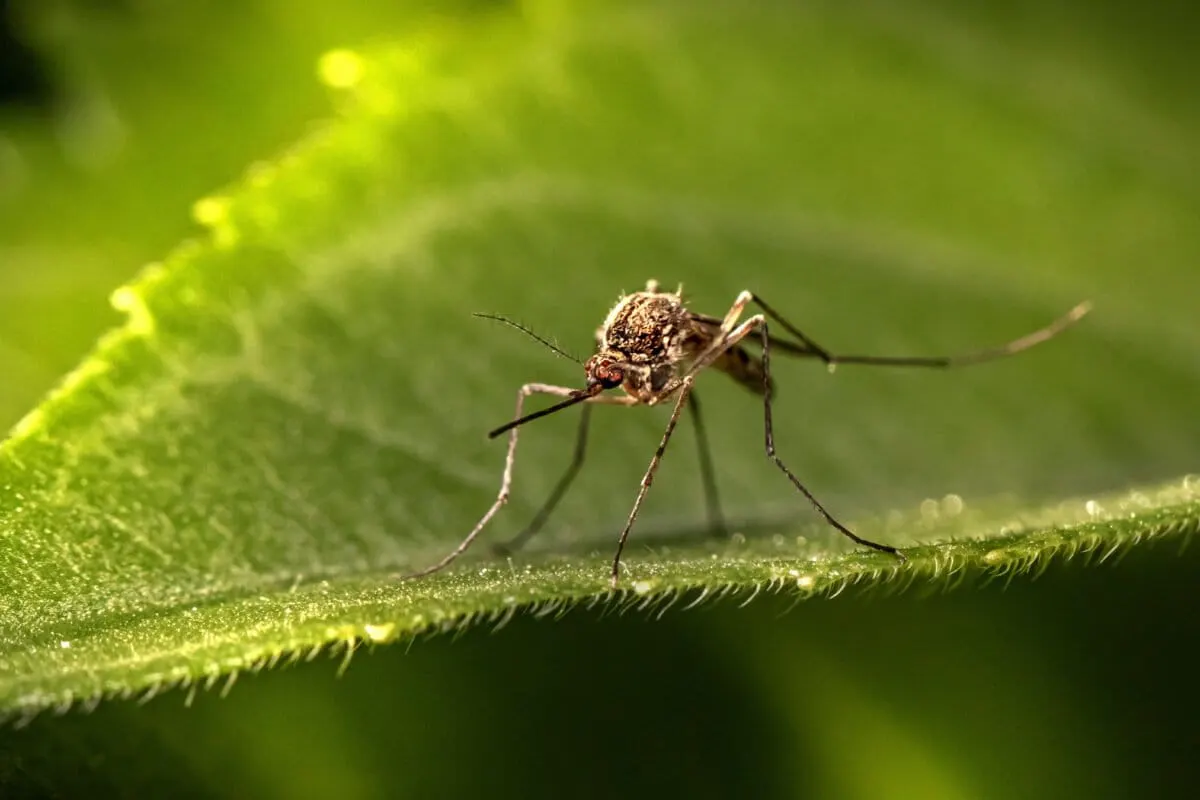
Additionally, contracted water bodies often experience shifts in community structure. Aquatic predators and competitors frequently decrease, while organic resources and nutrients concentrate. Under these conditions, mosquito vector populations can rise in isolated stagnant waters due to fewer predators, increasing the transmission frequency of vector-borne pathogens to potential hosts mongabay.com
news.mongabay.comnews.mongabay.comOpen source ↗.
Environmental disruptions and transmission pathways
The authors identified three core mechanisms governing transmission changes: host aggregation around declining water, shifts in water quality affecting host and pathogen survival, and the complete elimination of local host-pathogen populations when water disappears entirely mongabay.com
news.mongabay.comnews.mongabay.comOpen source ↗.
A separate 2026 study linked a 2017 urban yellow fever outbreak in Brazil to these processes, where the 2014–2017 drought pushed Haemagogus mosquitoes, howler monkeys, and marmosets into urban areas, leading to more than 2,000 infections and 700 deaths mongabay.com
news.mongabay.comnews.mongabay.comOpen source ↗. Researchers noted that an earlier 1986 disruption on the Senegal River caused schistosomiasis prevalence to surge from 1.9% to 71.5% after the Diama Dam blocked predatory river prawns (Macrobrachium vollenhovenii), illustrating how altered freshwater food webs drive disease risks.