NUS Medicine links four blood proteins to cerebrovascular disease and mortality in two Singapore cohorts
NUS Medicine profiled 1,441 plasma proteins in 518 memory-clinic patients; four tracked with cerebrovascular lesions, cognitive decline and mortality. Clinical use needs further validation.
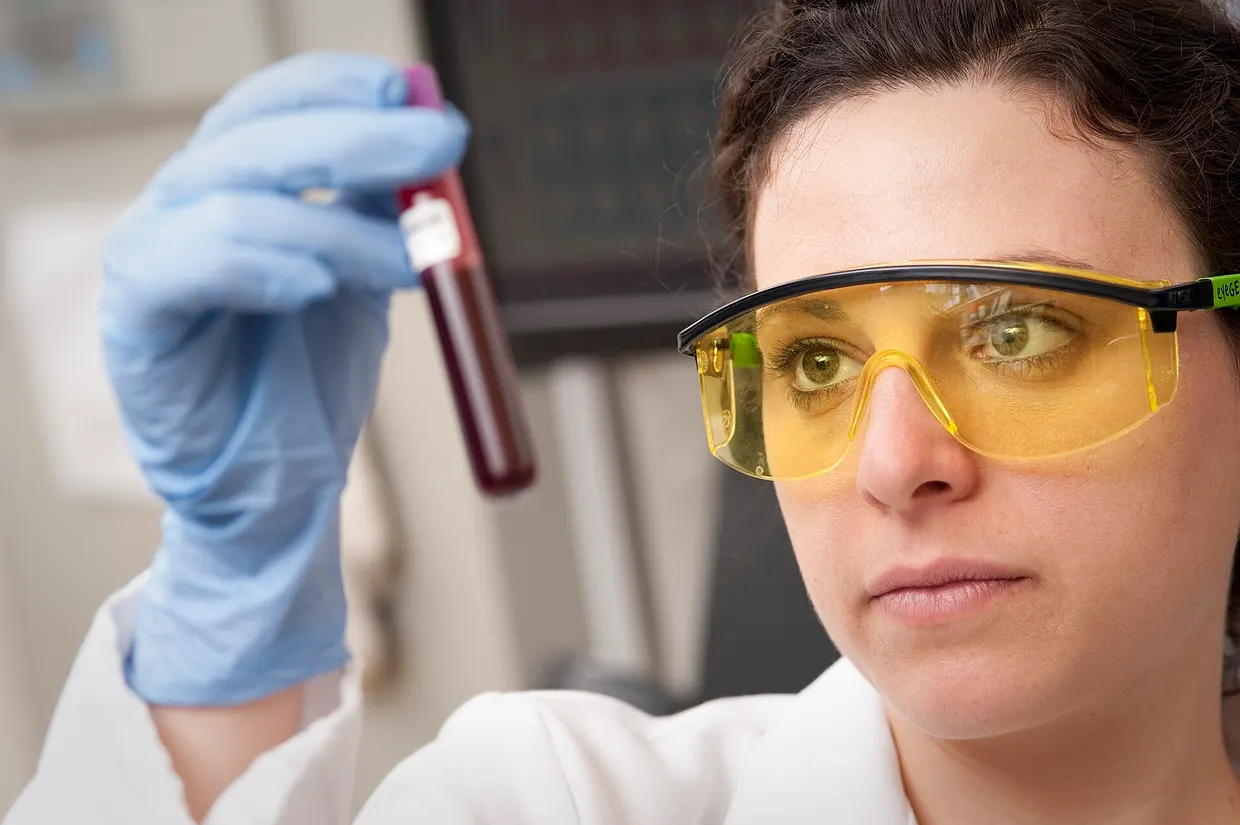
Researchers at the Yong Loo Lin School of Medicine, National University of Singapore (NUS Medicine), reported four plasma proteins associated with cerebrovascular disease (CeVD), cognitive decline, major cardiovascular and cerebrovascular events, and mortality. The study, published in Alzheimer's & Dementia on 19 August 2026, included 2,534 participants from two independent longitudinal Southeast Asian cohorts wiley.com
Alzheimer s & Dementiawiley.comOpen source ↗. The institution announced the result on 9 November 2026.
Cohorts and protein profiling
The first cohort was a memory-clinic group of 518 participants. At baseline they underwent blood protein profiling, brain MRI and cognitive assessment, and they were followed for 4 years. The team measured 1,441 plasma proteins and mapped them against four types of CeVD lesions: white matter hyperintensity volume, lacunes, cerebral microbleeds and cortical infarcts. Repeat brain imaging made it possible to separate protein patterns linked to existing disease from those linked to its progression.
The authors report distinct and overlapping proteins for baseline and longitudinal CeVD. These proteins represent diverse biological processes, including inflammation, immune responses, cell adhesion and blood clotting. According to the authors, this is the first study to track CeVD progression with large-scale protein profiling in a longitudinal Southeast Asian cohort.
Four prioritized proteins
Four proteins were prioritized as mediators of CeVD-associated cognitive decline and as predictors of major adverse cardiovascular or cerebrovascular events (MACCE): neurofilament light chain (NEFL), latent-transforming growth factor beta-binding protein 2 (LTBP2), cysteine-rich motor neuron 1 protein (CRIM1) and urokinase plasminogen activator surface receptor (PLAUR) wiley.com
Alzheimer s & Dementiawiley.comOpen source ↗. Their association with incident mortality held in both cohorts. The second cohort was an independent cardiovascular group of 2,016 participants, whose plasma proteome was used for external validation.
Professor Christopher Chen, who led the study, said the aim is to move towards more precise identification of people at risk and earlier intervention. The authors suggest that blood-based biomarkers could eventually complement brain imaging and clinical risk factors. They state that these early findings need further validation before they can be explored in clinical practice.
The team plans to investigate the biological roles of the proteins and their possible use in future treatments or multi-marker tests. The study is observational: it reports associations, and the authors describe the proteins as potential mechanistic targets for CeVD and health outcomes.