CRISPR deletions of CBF genes in Arabidopsis show two or three copies drive cold tolerance
Researchers removed one to three CBF genes in Arabidopsis thaliana lines with CRISPR/Cas9; losing two or three copies sharply reduced cold tolerance after acclimation.
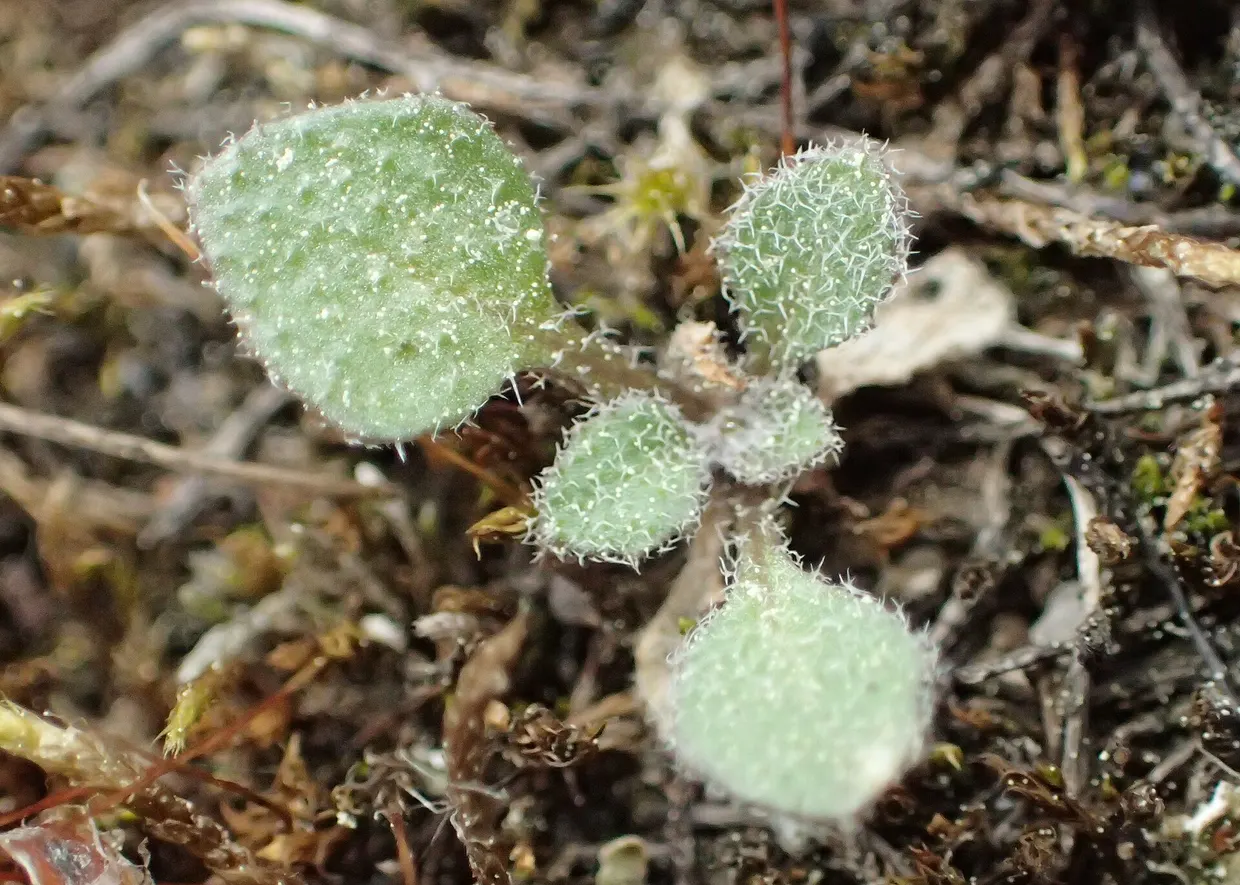
Plant biologists reported in Development Genes and Evolution that CRISPR/Cas9 gene deletions can be used to study tandemly arrayed CBF genes, which take part in cold acclimation in Arabidopsis thaliana springer.com
Development Genes and Evolutionspringer.comOpen source ↗. The team produced T-DNA-free deletion lines lacking one, two or all three CBF genes in the Col-0, Cvi-0 and Bur-0 backgrounds and tested their cold tolerance after acclimation. The CBF cluster is located on chromosome 4.
Tandem gene arrays are overrepresented among stress-response duplicates, but their close arrangement in the genome has made targeted single and multiple mutants hard to obtain. Earlier work with RNA interference or point mutations gave partial knockdowns or conflicting results for double mutants.
Deletion lines and recovery rates
The authors designed four guide RNAs using sequence alignments of seven natural Arabidopsis accessions from the 1001 Genomes project. Vectors with two guide RNA cassettes and a fluorescent DsRed seed marker were introduced by floral dip. Through successive self-fertilization and PCR genotyping, the team isolated homozygous vector-free lines with single deletions of CBF1, CBF2 and CBF3, double deletions of CBF1 with CBF3 or CBF2 with CBF3, and triple deletions.
Recovery rates varied with background and deletion. Homozygous vector-free triple deletions made up 1.2 percent of progeny in Col-0, while none were found among 1,023 tested Cvi-0 plants. Test crosses showed regular Mendelian segregation, so the authors attribute the differences to cleavage dynamics between the paired guide RNAs rather than to gametophytic lethality.
Freezing survival and gene expression
Acclimated Col-0 seedlings were exposed to freezing for two days at minus 5 and minus 7 degrees Celsius. At minus 5, single deletions of CBF2 and CBF3 modestly but significantly lowered survival, while the CBF1 deletion alone did not differ from wild type springer.com
Development Genes and Evolutionspringer.comOpen source ↗. At minus 7, triple-deletion lines did not survive, and double-deletion lines retaining only CBF1 kept about 10 percent viability.
In wild-type Col-0, CBF transcripts peaked two hours after transfer to 4 degrees Celsius and fell toward baseline by eight hours. Most deletions had little effect on expression of the remaining CBF copies; the exception was the CBF1 CBF3 double deletion, where CBF2 stayed elevated after two hours. Expression of five cold-regulated genes dropped sharply in lines lacking CBF2 and CBF3 or all three genes. According to the authors, two or three missing CBF genes are needed for a strong loss of cold tolerance, and the data contradict an earlier hypothesis about cross-regulation within the cluster.