Discovery of Giant Rodent Fossil Yakamys sirindhornae in Thailand
Paleontologists reveal a new species of giant rodent from 33-35 million years ago, shedding light on ancient ecosystems.
Paleontologists have uncovered the mystery of unusual fossils found in Thailand over twenty years ago. It has been determined that during the late Eocene, approximately 33-35 million years ago, a giant rodent inhabited the area of modern-day Krabi province. The findings were published by an international team of researchers from Thailand, France, and Canada in IFLScience.
The discovery began in 2004 at a coal mine, where geologist Pannipa Tian found an unusually large incisor, initially mistaking it for a bone fragment. On the same day, a second element—a lower molar—was discovered. It took two decades and modern analytical methods to understand that these findings belonged to a completely new species of ancient animals.
The new species has been named Yakamys sirindhornae. The genus name is derived from the Thai word "yak" (giant) and the Greek "mys" (mouse or rat), while the species name honors Princess Maha Chakri Sirindhorn of Thailand for her contributions to science.
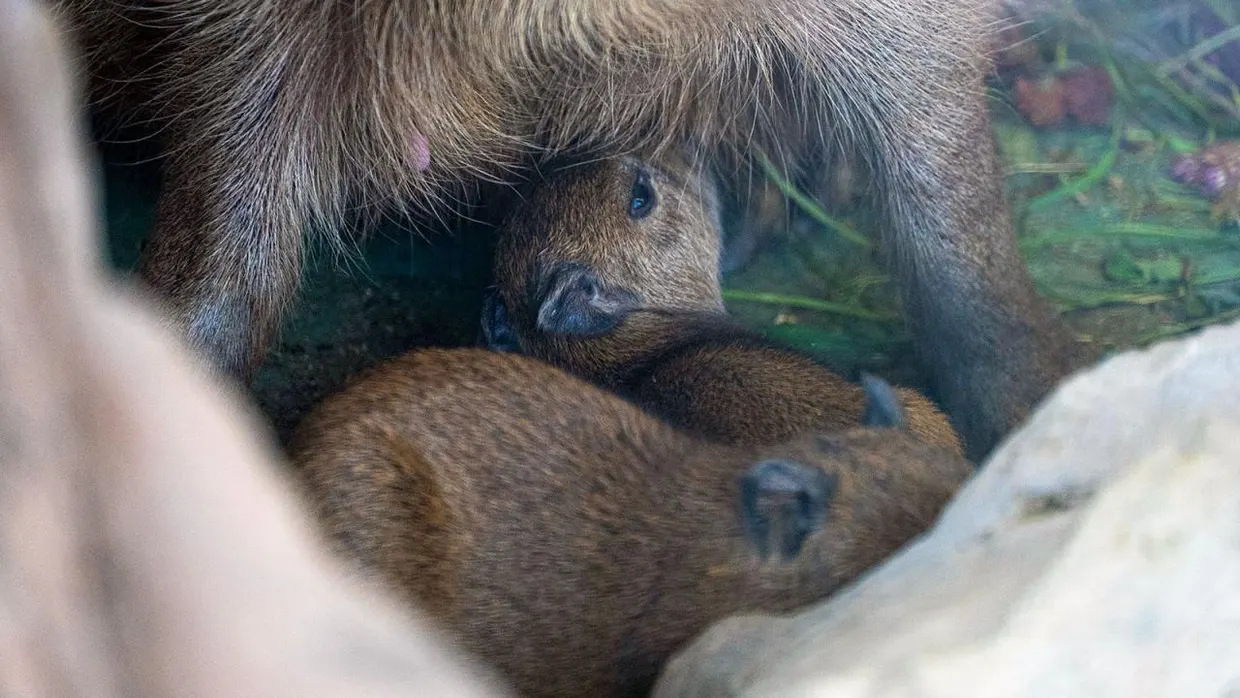
To visualize this creature, scientists employed mathematical modeling based on the sizes of the discovered teeth. The results are impressive: for comparison, the modern capybara, considered the largest rodent in the world, weighs about 60 kg. Thus, the ancient inhabitant of Thailand was half the size of its "distant relative" but still appeared formidable compared to familiar mice and rats.
Despite its size resembling that of a capybara, Yakamys sirindhornae was genetically related to a different family—Ischyromyidae. This was one of the first groups of large rodents that thrived in North America and Europe, but their traces are rarely found in Asia.
Analysis of the rock formations at the discovery site allowed specialists to hypothesize about the conditions in which this giant lived. Researchers believe that the animal inhabited the shores of ancient lakes and marshy areas. The abundance of moisture and lush vegetation created ideal conditions for mass gain. Its lifestyle may have been similar to that of capybaras—they likely spent much time near water and fed on riparian flora.
This discovery proves that rodents began to "grow larger" much earlier than previously thought, occurring not only in South America but also in tropical regions of Asia. For nature enthusiasts, this finding serves as another reminder of how diverse and unexpected the animal world was long before the arrival of humans.