Mussels Store Vanadium and Iron in Distinct Systems to Form Byssus Fibers
Researchers identified separate biological pathways for storing iron and vanadium in mussel foot tissues, shedding light on natural metal-reinforced fiber fabrication.
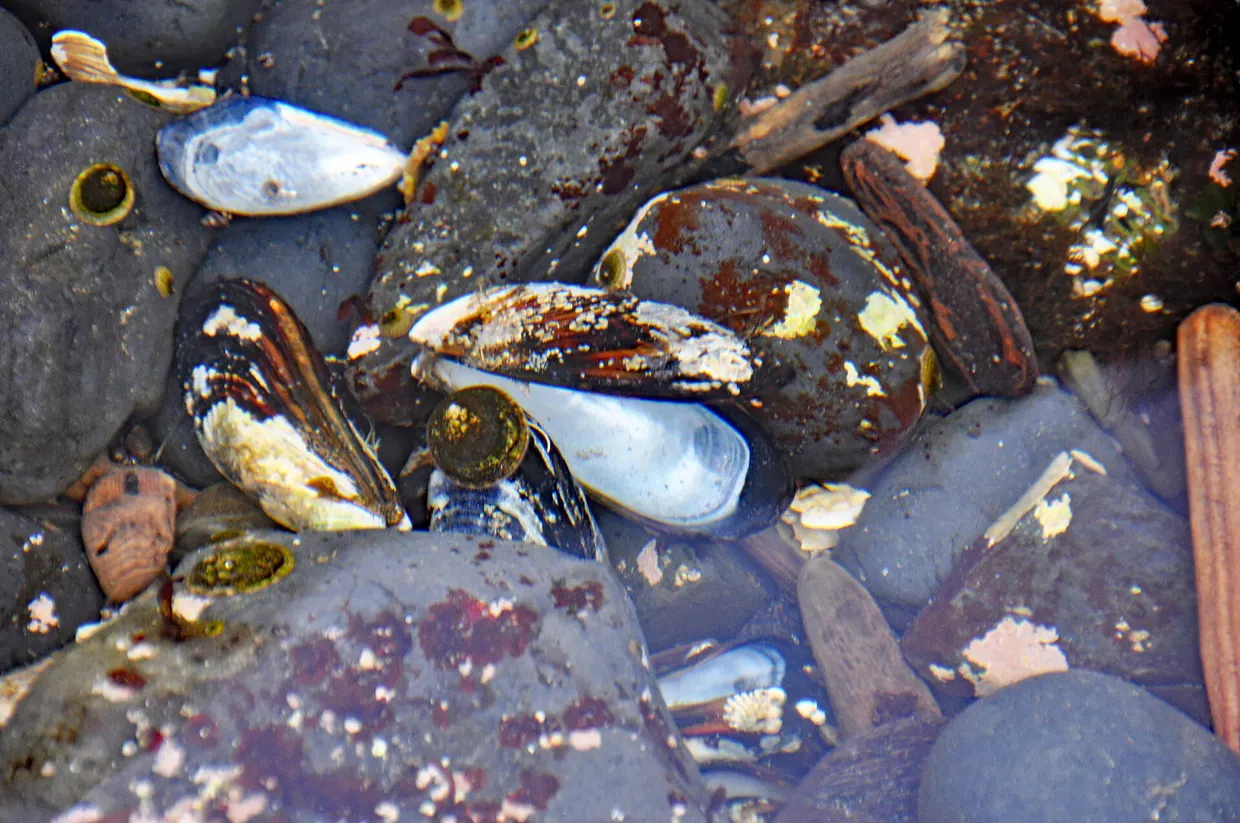
Mussels anchor to surfaces in marine habitats through a protein-based fibrous holdfast called a byssus, reinforced by metal ions coordinated with 3,4-dihydroxyphenylalanine (DOPA) residues. In a study published in the Proceedings of the National Academy of Sciences, researchers investigated the metal incorporation process directly within the mussel foot pnas.org
Proceedings of the National Academy of Sciencespnas.orgOpen source ↗. Using multiscale spectroscopy, the authors determined that iron and vanadium occupy two distinct storage environments prior to assembly.
Distinct Storage Pathways
To identify how mussels accumulate these transition metals, the team applied confocal Raman spectroscopy, synchrotron micro-X-ray fluorescence, micro-X-ray absorption spectroscopy, and scanning transmission electron microscopy combined with energy-dispersive X-ray spectroscopy. The analytical data revealed that vanadium storage relies directly on a DOPA-based coordination environment. In contrast, iron is held within ferritin-like biological structures inside the foot tissue.
Biofabrication Mechanics
The coordinated protein-metal cross-links provide byssus fibers with mechanical strength, abrasion resistance, toughness, and self-healing performance under dynamic wave impact. According to the authors, the catechol-based vanadium storage system demonstrates an evolved biological mechanism for accumulating trace metal ions to reinforce secreted proteinaceous glues and coatings. These findings clarify long-standing questions regarding natural byssus biofabrication.