Schneider Electric Research Institute model: PV and batteries could cut power system costs 40% in 2030s
A SERI modeling study of 40,500 scenarios finds that distributed solar and batteries could lower total electricity system cost from $0.160/kWh to $0.094/kWh if demand grows in step.
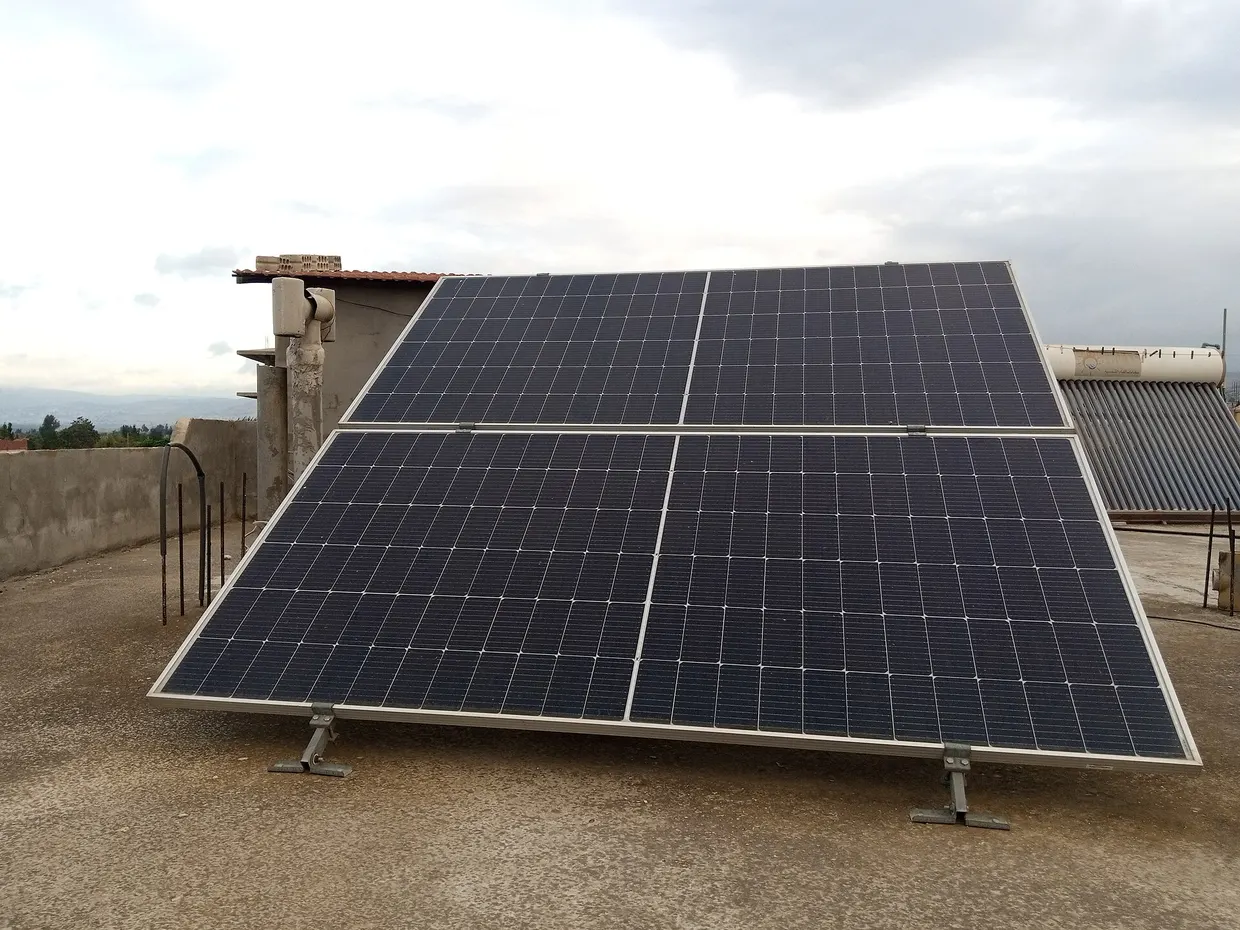
The Schneider Electric Research Institute (SERI) published a study, reported by pv-magazine.com, according to which PV and battery energy storage could reduce total global electricity system costs by up to 40% in the 2030s. pv-magazine.com
pv-magazine.compv-magazine.comOpen source ↗ The savings depend on lower installation costs for the technologies and on simultaneous growth in electricity demand.
The report, "System Costs of Electricity: A New Baseline for the 21st Century Economy," evaluates 40,500 scenarios with different combinations of solar generation, batteries and grid infrastructure. The total system cost model includes the installation and operating costs of distributed systems, as well as the fixed and variable costs of centralized generation and of transmission and distribution.
Modeled system costs
With current global average installation costs, the lowest modeled total system cost is $0.145/kWh against a baseline of $0.160/kWh, a reduction of about 10%. With projected costs for the 2030s, the minimum falls to $0.094/kWh, about 40% below the baseline. The savings could add up to 0.8% to global GDP in the 2030s, compared with about 0.1% at current costs.
Results vary by market. In the United States, residential solar installation costs are about three times the global average, and the minimum modeled cost rises to $0.191/kWh, approximately 20% above the baseline. pv-magazine.com
pv-magazine.compv-magazine.comOpen source ↗ The study notes that expanding solar and batteries in isolation does not guarantee lower costs: electrification of additional consumption sectors has to advance alongside.
The report names two mechanisms: displacement of grid-supplied electricity, and more efficient use of existing infrastructure, where batteries cut peak demand and new loads such as electric vehicles, heat pumps, air conditioning and data centers use the freed capacity. SERI estimates that distributed resources could supply more than 7,500 TWh today, about 30% of global demand, and up to 25,000 TWh by 2050.
Pathways and battery sizing
Of three pathways through 2050, the one with coordinated growth of generation, batteries and demand peaks at about $0.163/kWh and falls to about $0.105/kWh in 2050. When demand runs ahead, costs reach about $0.173/kWh in 2035; when deployment runs ahead, about $0.168/kWh around 2030.
A mismatch in storage durations across installation types can raise total costs by as much as 35% above the baseline. pv-magazine.com
pv-magazine.compv-magazine.comOpen source ↗ Households, commercial and industrial consumers that size systems to minimize their own bills land within $0.002/kWh of the system-wide optimum at 2030s costs; commercial buildings show the lowest costs.
SERI's priorities are smoothing demand through tariffs and incentives, synchronizing supply with demand growth, and developing supply chains.