rTMS over left prefrontal cortex raised MoCA scores in 68 post-stroke patients in a sham-controlled trial
In a randomized double-blind trial, two weeks of high-frequency rTMS was linked to short-term cognitive gains after stroke. EEG and fNIRS findings did not survive correction.
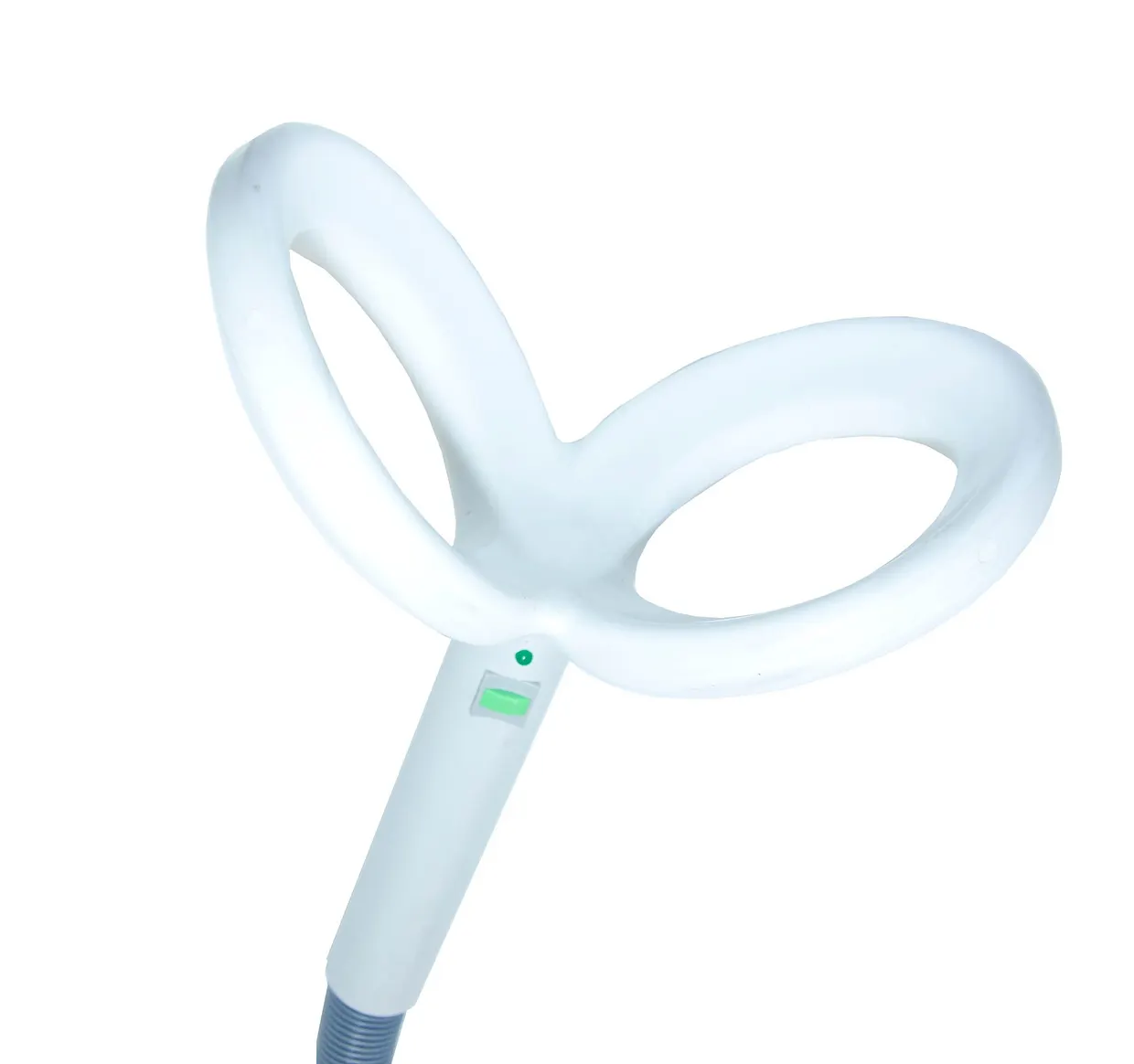
A randomized, double-blind, sham-controlled trial has found that high-frequency repetitive transcranial magnetic stimulation (rTMS) over the left dorsolateral prefrontal cortex (DLPFC) was associated with short-term cognitive improvement in patients with post-stroke cognitive impairment (PSCI). The work by Li and colleagues was published in BMC Medicine (doi.org/10.1186/s12916-026-05418-2). Of 75 randomized patients, 68 entered the modified intention-to-treat clinical analysis: 34 in the active group and 34 in the sham group biomedcentral.com
doi.orgbiomedcentral.comOpen source ↗.
Earlier studies had suggested that rTMS may improve cognition after stroke, but its effects under different cognitive demands and the accompanying neurophysiological changes were incompletely characterized. Participants received active or sham stimulation over the left DLPFC for 2 weeks.
Clinical outcomes
The principal outcome was the change in the Montreal Cognitive Assessment (MoCA). Compared with sham, active rTMS was associated with a greater improvement in global cognitive function: the group × time interaction was β = 1.76 (95% CI 0.69 to 2.84, p = 0.001).
Secondary outcomes were the Hamilton Depression Rating Scale (HAMD), the Mini-Mental State Examination (MMSE) and performance in an n-back working memory task. According to the authors, MMSE scores and depressive symptoms also improved significantly in the active group biomedcentral.com
doi.orgbiomedcentral.comOpen source ↗.
Working memory and neurophysiology
In the n-back task, reaction time and accuracy improved in the 1-back condition but not in the 0-back condition. However, the group × time × condition interactions were not statistically significant, so the trial did not establish differential treatment effects between task conditions.
Exploratory electroencephalography (EEG) and functional near-infrared spectroscopy (fNIRS) analyses were also performed. They covered EEG spectral power, functional connectivity based on phase-locking value (PLV), and task-evoked oxygenated hemoglobin (HbO) changes. No formally tested comparison remained statistically significant after false discovery rate (FDR) correction.
The authors state that the neurophysiological findings remain exploratory and require validation in larger, adequately powered studies biomedcentral.com
doi.orgbiomedcentral.comOpen source ↗.