Dye Tracing at Wind Cave Reveals Rapid Pollution Risks
Dye tests show how quickly surface water can contaminate underground lakes at Wind Cave National Park, highlighting environmental concerns.
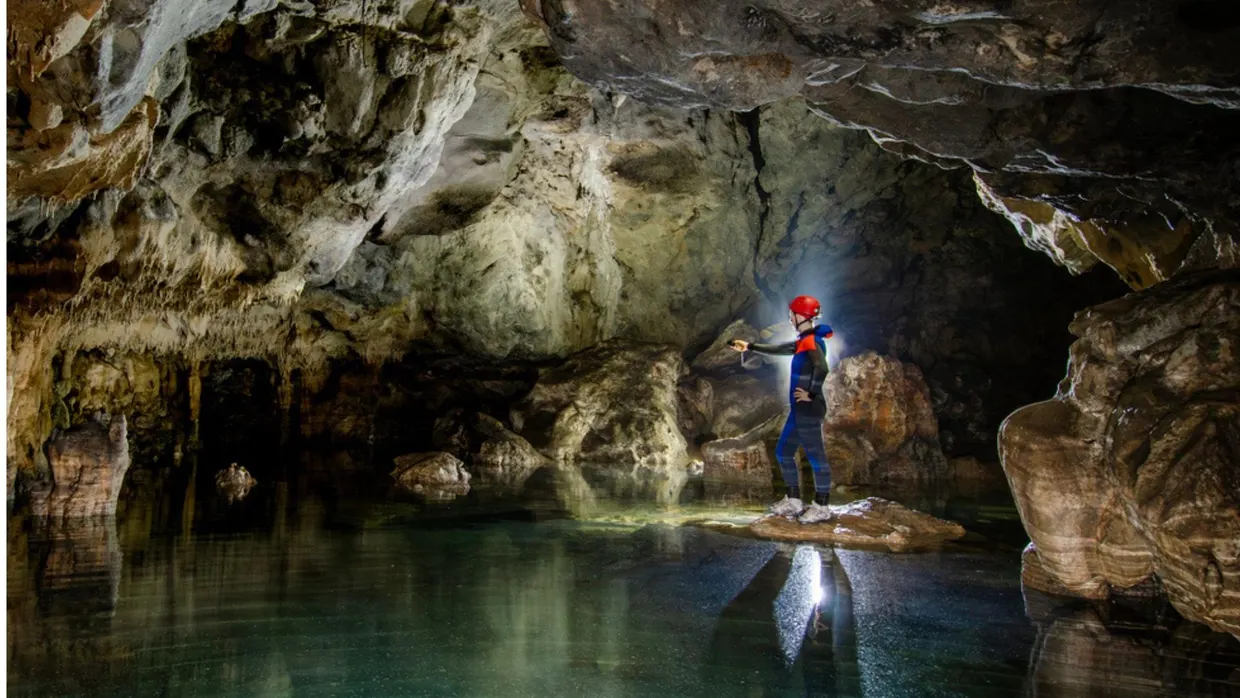
In the 1990s, the National Park Service staff at Wind Cave National Park in Custer County, South Dakota, conducted a series of dye traces to understand the environmental threats posed by surface developments overlying the cave. The park is situated within the Madison formation, a 100-meter-thick layer of limestone and dolomite, capped by the Minnelusa formation. Monitoring of various cave locations with dripping or pooled water occurred for up to five years following dye injection. Transit times to the cave varied from less than six hours to as much as 4.8 years, with little correlation between transit time and distance from the injection site. Data analysis revealed traditional-shaped dye recovery curves, albeit stretched over hundreds or thousands of days beyond injection. The findings suggest that chemical or sewage spills near the dye injection sites could rapidly enter multiple locations in the cave system and persist for years.doi.org
Sinkholes and the Engineering and Environmental Impacts of Karstdoi.orgOpen source ↗
Environmental Impact
The dye tracing studies began in 1986, with significant tests conducted in 1996 when rhodamine WT dye was injected into a parking lot drain. Within hours, dye levels rose at monitoring points in the cave below, demonstrating the speed at which surface water can transport pollutants. Subsequent tests with fluorescein dye confirmed that water moves across the land before entering the cave system. The Madison Aquifer, which supplies water to the park and surrounding areas, is at risk from potential contamination due to its proximity to park facilities built on thin ground over the cave.
Pollution Risks
The research indicates that spills of chemicals or sewage could quickly infiltrate the cave ecosystem, posing a risk to the purity of the aquifer's water. The Madison Aquifer connects to a regional aquifer extending into several states, making the implications of pollution significant. The findings underscore the need for careful management of surface activities to protect the fragile underground water systems.