Study links everyday nanoplastics to severe lung inflammation risk
Research reveals that polyethylene and polypropylene nanoplastics can trigger lung inflammation through reactive oxygen species production.
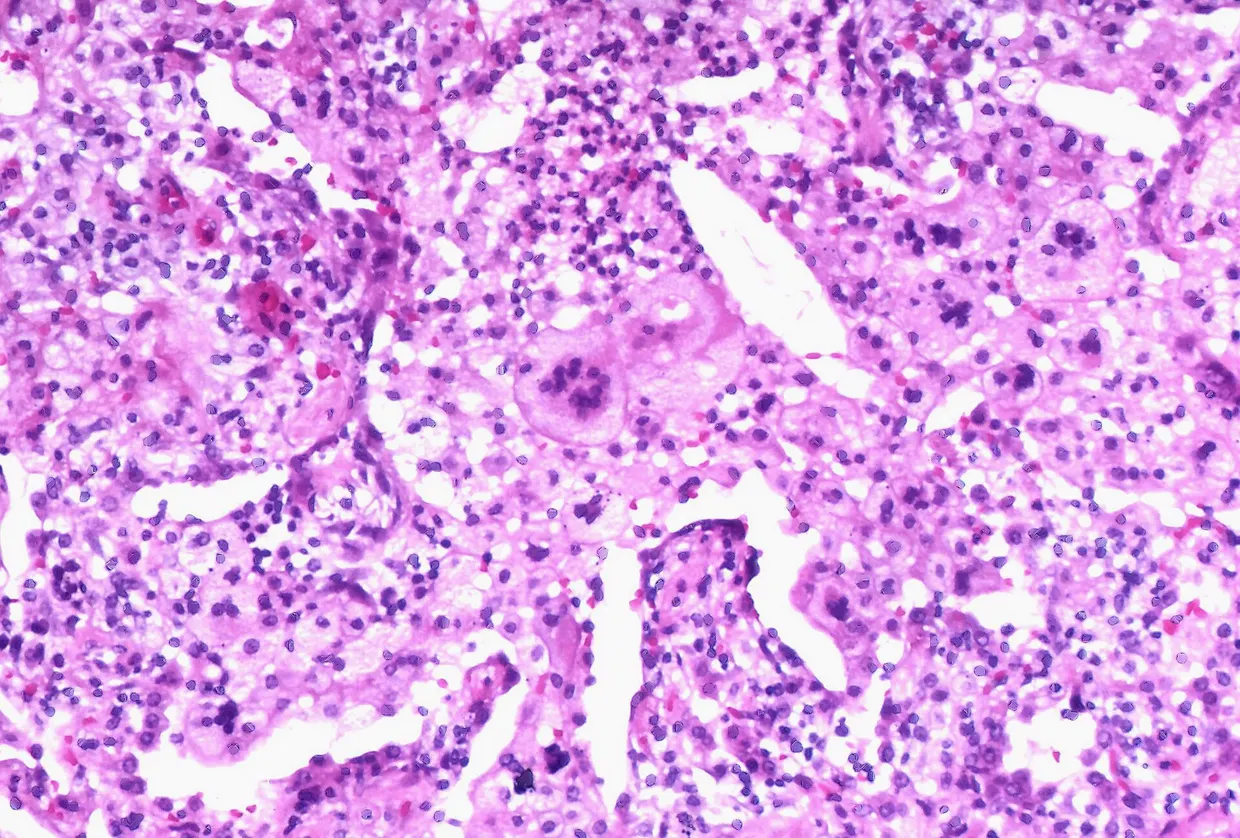
A research team led by Dr. Jinyoung Jeong at the Environmental Diseases Research Center of the Korea Research Institute of Bioscience and Biotechnology (KRIBB) has investigated the lung toxicity of polyethylene (PE) and polypropylene (PP) nanoplastics. The study, published in the Journal of Hazardous Materials Advances, highlights the health risks posed by these common plastics. The researchers compared the effects of PE and PP nanoparticles with diesel exhaust particles using a mouse model, where particles were delivered directly into the trachea to evaluate lung inflammation and the biological processes involved.
Both types of nanoplastics caused acute lung inflammation. Notably, the inflammatory response varied depending on how the particle dose was measured. When compared by mass, PE nanoplastics produced an inflammatory response at least as strong as that of diesel exhaust particles. However, when doses were compared based on particle surface area, both PE and PP nanoplastics exhibited greater inflammatory potential than diesel exhaust particles.
The study also examined alveolar macrophages, immune cells responsible for cleaning up the lungs. Exposure to nanoplastics increased the production of reactive oxygen species (ROS), which can damage cells when produced in excess. This ROS production was closely linked to the inflammatory response, indicating how nanoplastics can recruit additional immune cells and contribute to lung tissue injury. Gene expression analysis revealed changes in pathways related to inflammation and immune regulation.
The findings suggest that nanoplastics can disrupt immune responses in the lungs under experimental conditions. The researchers emphasize the importance of considering particle surface area and reactivity in environmental and public health assessments, as relying solely on mass may underestimate the inflammatory potential of nanoplastics. This study provides a scientific basis for refining safety assessments of nanoplastics and airborne particulate pollutants.
Sources · 1
Found a mistake?Read also