Transposon insertions near SiGW3 gene shape epigenetic variation and grain size in foxtail millet
Chinese researchers analysed DNA methylomes of 60 wild and domesticated foxtail millet accessions and linked transposon polymorphisms to heritable epigenetic changes in domestication traits.
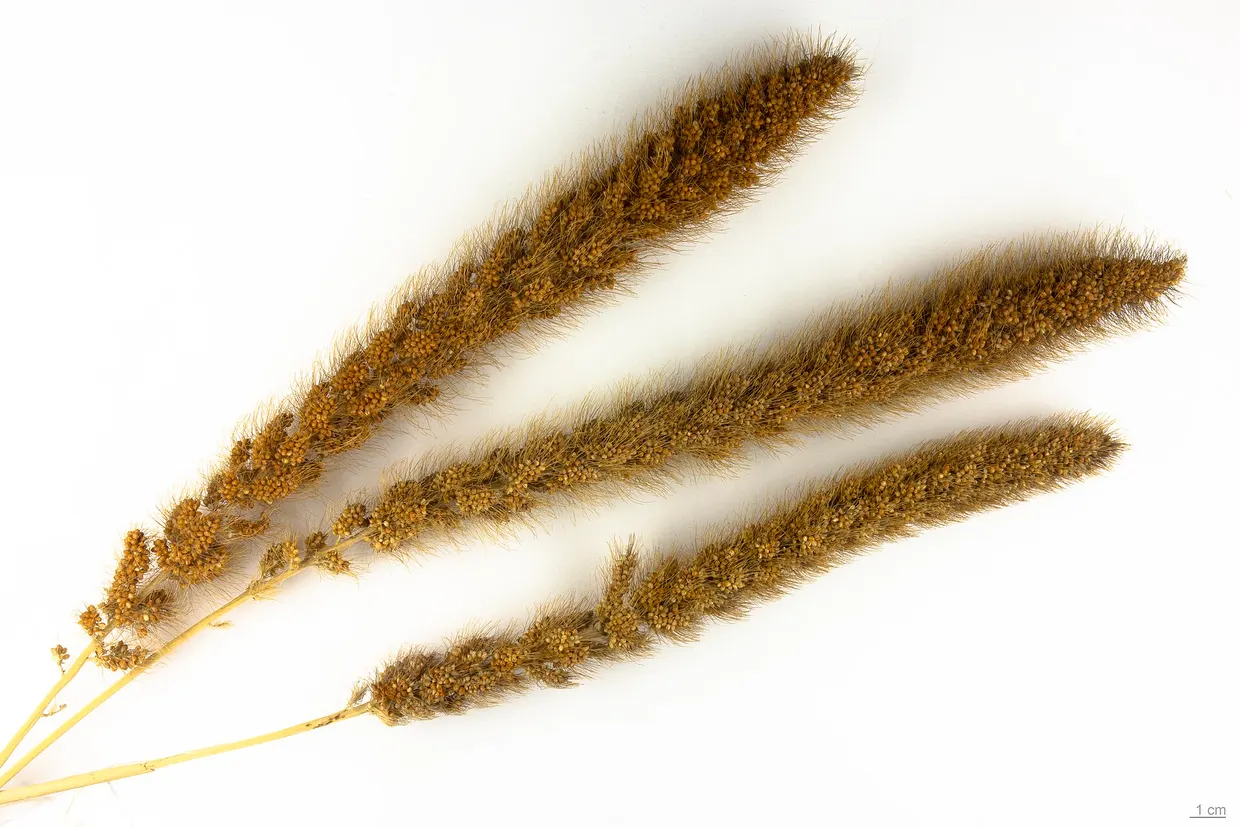
A team from the Institute of Zoology and the Institute of Crop Sciences of the Chinese Academy of Agricultural Sciences, together with colleagues from several Chinese institutes, studied how transposable element (TE) polymorphisms affect the epigenetic landscape of foxtail millet (Setaria italica). The work was published in Nature Communications. Foxtail millet is one of the oldest cereal crops domesticated in China. According to the authors, TE-associated genetic variants drive heritable epigenetic changes that underlie key domestication traits nature.com
Nature Communicationsnature.comOpen source ↗.
Methylomes of wild and domesticated accessions
The researchers analysed DNA methylomes from 60 wild and domesticated accessions. The germplasm came from the National Crop Genebank of China. They identified 76,815 differentially methylated regions associated with extensive polymorphic TE insertions.
This epigenomic variation made it possible to compile an inventory of TEs associated with seed shattering, branching and growth habit. TE polymorphisms thus served as a link between the genome sequence and traits that distinguish domesticated plants from wild ones.
Insertions in the 5′ UTR of SiGW3
Functional analyses showed that two DNA/PIF-Harbinger element insertions in the 5′ UTR of the pleiotropic gene SiGW3 modulate its expression. According to the authors, this affects plant architecture, panicle morphology and grain size nature.com
Nature Communicationsnature.comOpen source ↗.
Based on these results, the authors conclude that naturally occurring TE polymorphisms generate heritable epigenetic variation and contribute to phenotypic evolution during crop domestication. They note implications of the findings for crop improvement.
The study was carried out by researchers from the Institute of Zoology, the Institute of Crop Sciences, the University of the Chinese Academy of Sciences, Hebei Agricultural University and the Institute of Genetics and Developmental Biology. The corresponding authors are Xianmin Diao and Jinfeng Chen.