Palmitic acid promotes metastasis in oral carcinomas and melanoma in mice
A study reveals that dietary palmitic acid enhances metastasis in cancer models, indicating lasting cellular changes.
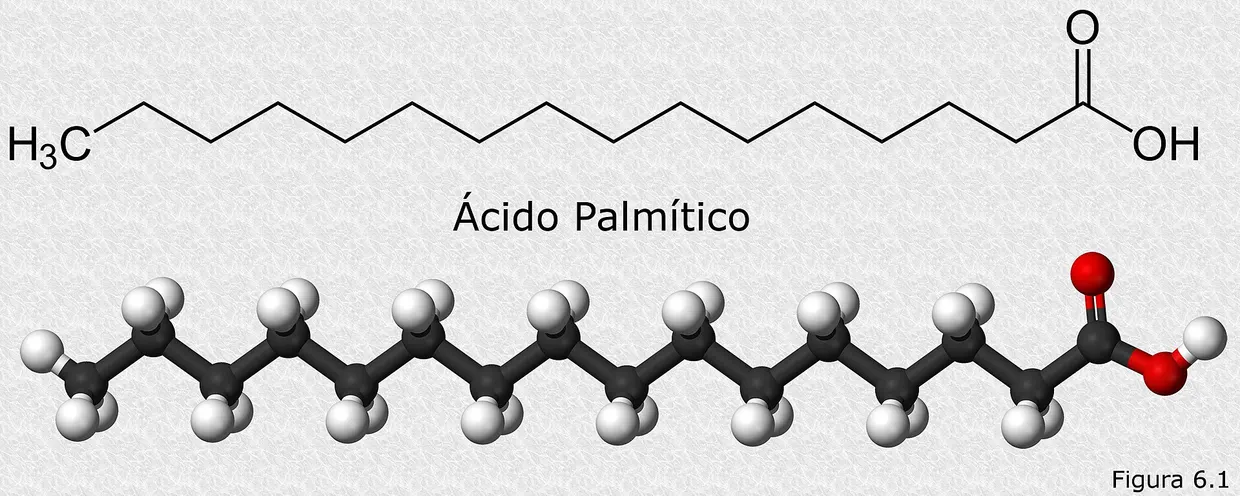
A recent study published in Nature demonstrates that dietary palmitic acid (PA) promotes metastasis in oral carcinomas and melanoma in mice. The research indicates that tumors from mice fed a short-term palm-oil-rich diet exhibited a heightened metastatic potential, even after being serially transplanted without further exposure to PA. This phenomenon is attributed to a memory effect induced by PA, which requires the fatty acid transporter CD36 and is linked to stable histone modifications by the methyltransferase Set1A as part of the COMPASS complex.
Mechanisms of Metastatic Memory
The study utilized bulk, single-cell, and positional RNA-sequencing analyses, revealing that genes associated with this prometastatic memory are predominantly related to a neural signature. This signature stimulates intratumoral Schwann cells and innervation, both of which are correlated with metastasis but poorly understood in terms of their etiology. Tumor-associated Schwann cells were found to secrete a specialized proregenerative extracellular matrix, and disrupting this matrix inhibited the initiation of metastasis.
Implications for Cancer Research
The findings suggest that the PA-induced memory of the proneural signature and its long-term enhancement of metastasis depend on the transcription factor EGR2 and the glial-cell-stimulating peptide galanin. This research provides crucial insights into how dietary metabolites can induce stable transcriptional and chromatin changes, leading to prolonged stimulation of metastasis. Understanding these mechanisms may open new avenues for targeting metastasis in cancer treatment.