FSU Chemists Use Light to Convert Inert Sulfonamides into Drug Building Blocks
Chemists have developed an in vitro photochemical reaction to excise sulfur atoms from inert sulfonamides, turning dead-end compounds into anilines.
Researchers at Florida State University, Pennsylvania State University, and the pharmaceutical company GSK have developed a light-driven chemical reaction that transforms sulfonamides into anilines fsuhealth.fsu.edu
fsuhealth.fsu.edufsuhealth.fsu.eduOpen source ↗. As reported by fsuhealth.fsu.edu, the method allows chemists to repurpose structurally inert compounds that were previously discarded during pharmaceutical screening. Sulfonamides are widely found in treatments for type 2 diabetes, hypertension, HIV, and melanoma, yet their sulfur-centered core has historically resisted selective modification
fsuhealth.fsu.edu
fsuhealth.fsu.edufsuhealth.fsu.eduOpen source ↗.
Photochemical Sulfur Excision
Sulfonamides were among the first synthetic antibiotics introduced nearly 90 years ago, but their chemical inertia typically prevents functional group exchange without destroying the broader molecular scaffold. In this laboratory study, published in the Journal of the American Chemical Society, the research team utilized light to selectively excise the central sulfur atom from the sulfonamide framework fsuhealth.fsu.edu
fsuhealth.fsu.edufsuhealth.fsu.eduOpen source ↗.
The resulting products are anilines, a foundational chemical class utilized in the synthesis of oncology medicines and other bioactive molecules fsuhealth.fsu.edu
fsuhealth.fsu.edufsuhealth.fsu.eduOpen source ↗. By restructuring this functional segment while leaving the surrounding architecture intact, researchers can transform non-viable drug candidates into functional precursor blocks for screening.
Picosecond Spectroscopic Analysis
The project combined experimental, computational, and synthesis methodologies across multiple institutions. The team led by Eric Nacsa at Penn State identified, optimized, and demonstrated the scope of the reaction, while Elvira Sayfutyarova’s group completed computational modeling to outline its reaction pathways fsuhealth.fsu.edu
fsuhealth.fsu.edufsuhealth.fsu.eduOpen source ↗. GSK evaluated how the transformation could be applied to drug discovery pipelines
fsuhealth.fsu.edu
fsuhealth.fsu.edufsuhealth.fsu.eduOpen source ↗.
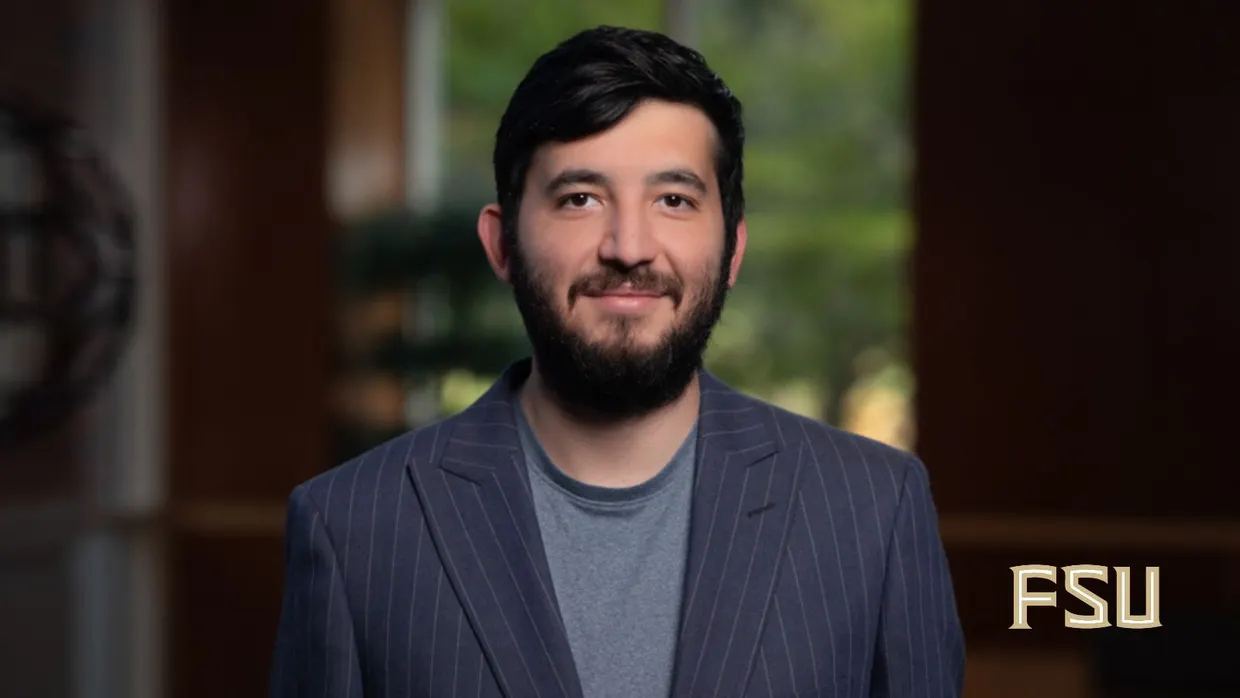
To map intermediate molecular stages, Bryan Kudisch’s laboratory at FSU deployed ultrafast laser spectroscopy to track the reaction as it proceeded on a timescale of a single picosecond—one trillionth of a second fsuhealth.fsu.edu
fsuhealth.fsu.edufsuhealth.fsu.eduOpen source ↗. This real-time spectroscopic tracking revealed how light-induced intermediates rearrange into target anilines rather than unwanted side products, providing experimental parameters to guide future photochemical skeletal editing in medicinal chemistry
fsuhealth.fsu.edu
fsuhealth.fsu.edufsuhealth.fsu.eduOpen source ↗.